Algeria
 Egypt
 Libya
 Morocco
 Sudan
 Tunisia
 Benin
 Burkina Faso
 Cabo Verde
 Côte d'Ivoire
 Ghana
 Guinea
 Guinea-Bissau
 Liberia
 Mali
 Mauritania
 Niger
 Nigeria
 Senegal
 Sierra Leone
 The Gambia
 Cameroon
 Central African Republic
 Chad
 DR Congo
 Equatorial Guinea
 Gabon
 Republic of the Congo
 São Tomé and Príncipe
 Burundi
 Comoros
 Djibouti
 Eritrea
 Ethiopia
 Kenya
 Madagascar
 Malawi
 Mauritius
 Mozambique
 Rwanda
 Seychelles
 Somalia
 South Sudan
 Tanzania
 Uganda
 Angola
 Botswana
 Eswatini
 Lesotho
 Namibia
 South Africa
 Zambia
 Zimbabwe
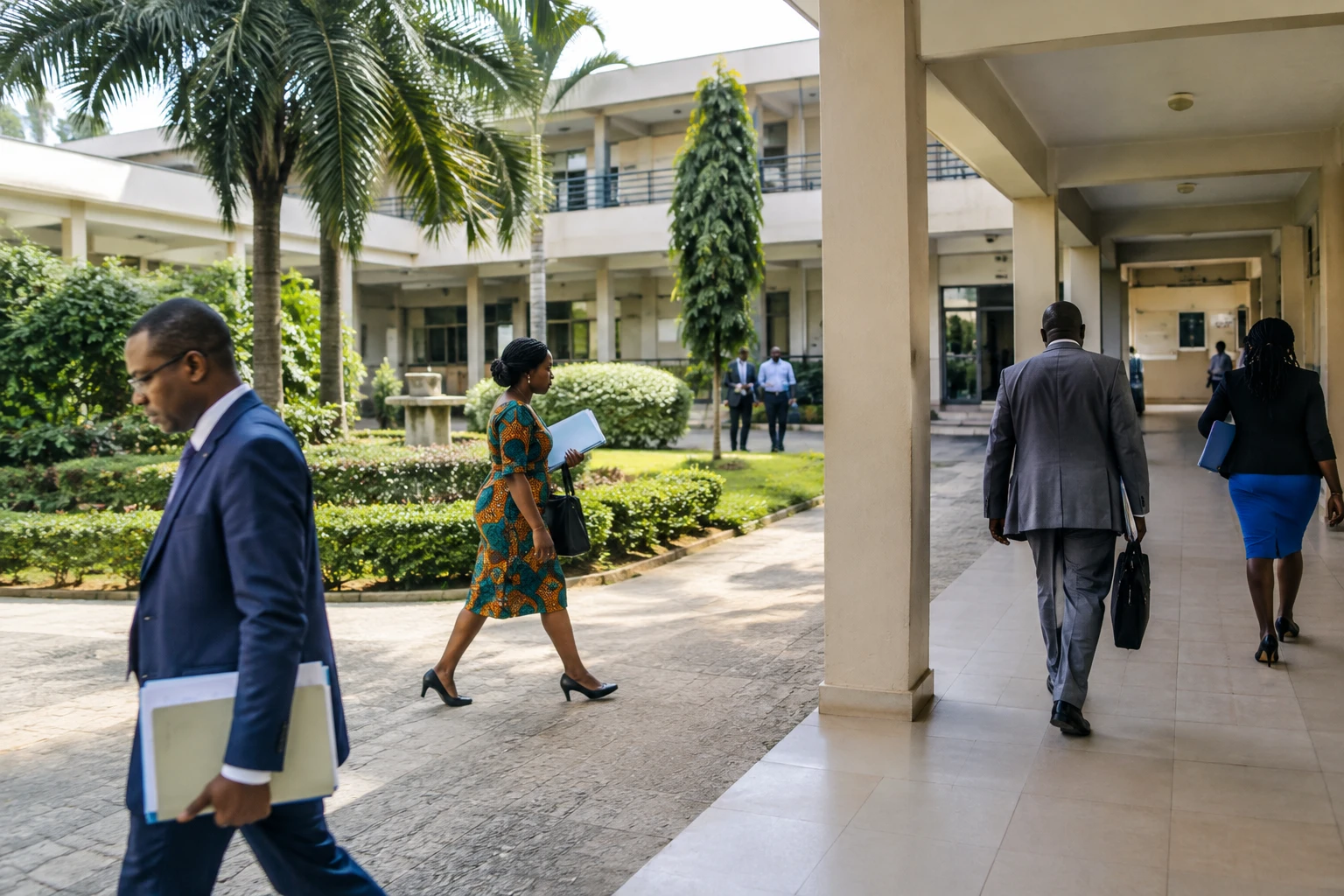
For Togo, the stakes at international financial meetings go beyond securing new funding. The country also needs to protect investments that benefit households and businesses, as official development assistance contracts and fiscal room remains limited.
Pressure has increased worldwide. According to preliminary data from the Organisation for Economic Co-operation and Development (OECD), official development assistance from members and associates of its Development Assistance Committee fell by 23.1% in real terms in 2025. The organisation describes this as the largest annual decline on record. Final data are due to be published in December 2026.
Development finance at the centre of talks in Bangkok
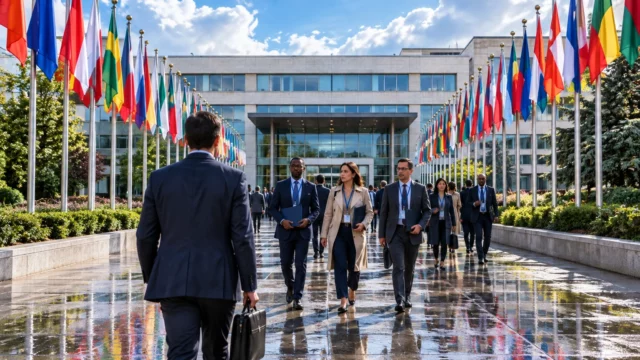
The annual meetings of the International Monetary Fund (IMF) and the World Bank Group are taking place in Bangkok, Thailand, from 12 to 18 October 2026. Ministers, central bank officials, international organisations and civil society representatives are discussing the global economy and ways to finance development.
Togo is setting out its priorities at a time when grants and concessional loans cannot be treated as guaranteed sources of funding. The Togolese delegation includes officials from the ministries responsible for the economy, finance and the budget, as well as development planning, according to information published about its participation.
The debate directly concerns countries in the West African Economic and Monetary Union (WAEMU), of which Togo is a member. The Union shares a currency, the CFA franc, and a common framework for budgetary oversight. National funding choices are therefore made in a regional context where public finance stability matters, without erasing the specific needs of each country.
The decline in aid reported by the OECD concerns contributions from the member and associate countries of its committee, not all external financing received by Africa. Nor does it mean that every African country will experience the same trend. But it increases uncertainty for governments planning investments over several years.
A substantial portfolio, with impact dependent on implementation
The World Bank remains a major partner for Togo. In March 2026, its portfolio in the country stood at $1.49bn, spread across 18 national and regional operations, according to data cited during Togo’s participation in the meetings. Projects cover agriculture, energy, transport, health, education and social protection.
However, a financial commitment does not automatically translate into an improved service or a job created. Results depend on the pace of disbursement, the capacity to deliver projects and their fit with local needs. Agricultural investment and infrastructure can support production and trade. For households, the stakes also include access to electricity, healthcare, schools and social protection schemes.
In December 2025, the World Bank approved $150m, or about CFAF84bn, for a three-year reform programme. It aims to stimulate private investment and job creation. The institution estimates that, if the programme is fully implemented, it could help mobilise up to an additional $800m in private capital over five years. This is a conditional target, not funding already secured.
The approach seeks to give businesses and investors a larger role, particularly in sectors where needs exceed public budget resources. It also raises a question of distribution: will private capital flow into activities that create jobs and are accessible to local businesses, including smaller firms, or remain concentrated in a few large projects? The available information does not yet provide an answer. Implementation and tangible outcomes will be decisive.
IMF programme focuses on fiscal balance and social protection
Dialogue with the IMF is taking place under the Extended Credit Facility (ECF), a lending programme linked to economic targets and reforms. On 29 June 2026, the Fund’s executive board completed the third and fourth joint reviews of Togo’s programme. The decision enabled a disbursement of $109.5m, or about CFAF62.6bn.
The IMF judged implementation to be broadly satisfactory, while noting temporary deviations from some financing criteria. Among the priorities it identified were containing budgetary pressures linked to rising energy prices, continuing state-owned enterprise reforms and strengthening governance. The Fund also stressed the need to protect the most vulnerable people from the energy shock.
The tension between fiscal discipline and social spending is tangible. Limiting deficits can help contain borrowing costs and stabilise public finances. But if adjustment too quickly reduces resources for essential services or productive investment, households and businesses will bear the consequences. Budgetary trade-offs therefore matter as much as the volume of funding mobilised.
Stakes extend beyond Lomé
For Togolese officials, the Bangkok meetings provide a forum for dialogue with lenders and investors. They come as African countries seek to diversify their sources of funding, mobilise more domestic revenue and finance infrastructure without allowing debt to rise persistently. None of these measures can, on its own, replace external aid.
At regional level, decisions by financial institutions also influence access to credit and cross-border investment in West Africa. For Togo, a coastal hub neighbouring Ghana, Benin and Burkina Faso, transport and energy infrastructure can have an impact beyond the domestic market. Its value will nevertheless depend on how it is financed and managed, and on its usefulness to people and businesses.
The next steps to watch are the implementation of World Bank-backed reforms, the outcomes of IMF programme reviews and the publication of the OECD’s final data on aid in 2025. For Lomé, the challenge is to turn financial commitments into completed investments, jobs and accessible services, while keeping debt and public spending under control.