Algeria
 Egypt
 Libya
 Morocco
 Sudan
 Tunisia
 Benin
 Burkina Faso
 Cabo Verde
 Côte d'Ivoire
 Ghana
 Guinea
 Guinea-Bissau
 Liberia
 Mali
 Mauritania
 Nigeria
 Senegal
 Sierra Leone
 The Gambia
 Togo
 Cameroon
 Central African Republic
 Chad
 DR Congo
 Equatorial Guinea
 Gabon
 Republic of the Congo
 São Tomé and Príncipe
 Burundi
 Comoros
 Djibouti
 Eritrea
 Ethiopia
 Kenya
 Madagascar
 Malawi
 Mauritius
 Mozambique
 Rwanda
 Seychelles
 Somalia
 South Sudan
 Tanzania
 Uganda
 Angola
 Botswana
 Eswatini
 Lesotho
 Namibia
 South Africa
 Zambia
 Zimbabwe
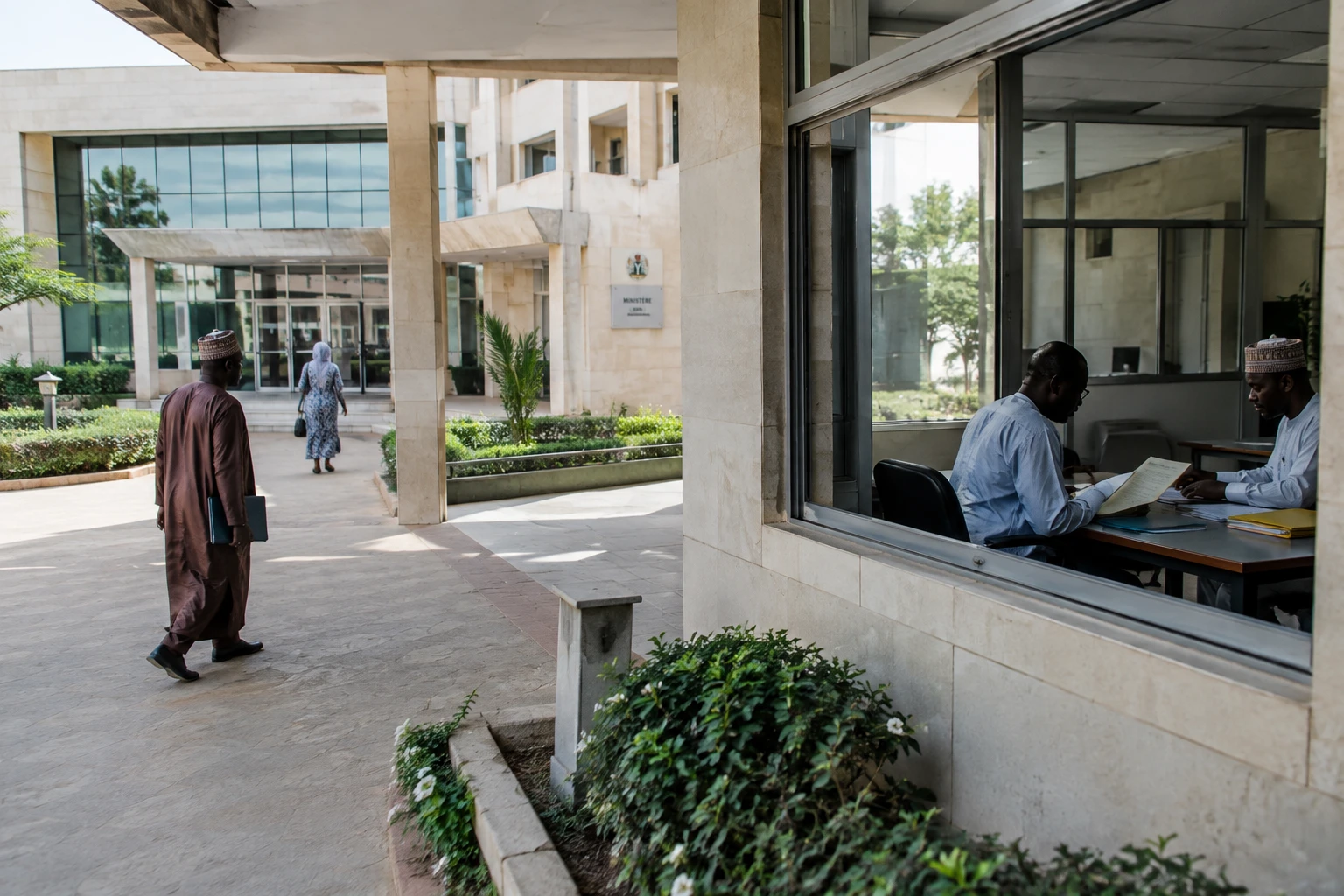
Nigerien oil is now generating export revenues, but one question remains in Niamey: what share of that money actually returns to the country’s economy? The government says considerable sums remain to be repatriated. The companies concerned have not, in the information consulted, responded to these accusations.
A strategic sector under scrutiny
Niger has produced oil since 2011, notably from the Agadem block. The Zinder Refining Company (SORAZ), a Chinese-Nigerien company, supplies the domestic market. Since 2024, a pipeline has crossed Niger to the port of Sèmè in Benin, carrying crude for export. CNPC operates the oilfields, while WAPCO is involved in pipeline transport.
This chain therefore connects several issues: state revenues, fuel supplies, jobs and contracts awarded to Nigerien companies. It also depends on cross-border infrastructure. Oil exported via Benin makes the relationship between Niamey, Chinese operators and Cotonou tangible, beyond diplomatic statements.
The current tensions are part of an earlier stand-off. In March 2025, Nigerien authorities ordered officials from the three companies to leave, citing failures to meet their commitments. A partnership protocol signed on 18 May 2026 subsequently established a framework for co-operation and commitments concerning, in particular, local content and the role of Nigerien employees.
Figures put forward by the government
On 13 October 2026 in Niamey, Foreign Minister Bakary Yaou Sangaré presented an assessment of the agreement’s implementation. According to figures released by the authorities, more than CFA francs 3,000 billion in export revenues have not been repatriated to Niger since crude exports began. The government also estimates the shortfall to the Treasury at CFA francs 17 billion.
These figures are government allegations, not an independent assessment made public in the sources consulted. They do not, in themselves, mean that the Chinese state owes this amount to Niger: the dispute concerns export revenues and their repatriation, as well as the obligations of the companies concerned. The accounting details needed to verify the calculations have not been published in the available reports.
The minister also criticised the use of foreign accounts, notably in Paris and Hong Kong, and called for subcontracting contracts to be submitted. The authorities say they have not received the expected plans to increase the share of Nigeriens in the workforce. They also report that announced recruitment and human resources audits have yet to begin.
Another issue raised was that SORAZ is operating at about 75% of capacity, according to the government. The decline has been denounced as the country faces fuel supply tensions. But the significance of this figure is difficult to assess without detailed data on the period concerned, the reasons for the decline and the volumes actually delivered to consumers.
An ultimatum, but no announced break
Niamey is giving the companies concerned 45 days to respond to the grievances and meet their commitments. The government says it wants to continue the partnership. The move therefore combines regulatory pressure with continued co-operation, rather than announcing an immediate break.
For the authorities, the challenge is to turn exports into verifiable public revenues and local benefits. For the companies, demands for transparency and recruitment could change subcontracting and management practices. For the population, the impact will not be measured solely by the revenues announced: fuel availability, prices and access to skilled jobs also matter.
The refinery’s output directly affects users, transport operators and economic activity, including beyond Niamey. Exports, meanwhile, do not automatically guarantee a stable domestic supply. SORAZ and the Nigerien Petroleum Company therefore remain central to distribution. Clarifying production figures and financial flows would help distinguish technical difficulties, contractual obligations and marketing choices.
A regional dimension to watch
The dispute comes amid a reshaped West African landscape. Niger’s withdrawal from ECOWAS — the Economic Community of West African States — took effect on 29 January 2025. The country is a member of the Alliance of Sahel States with Burkina Faso and Mali. In this context, bilateral and cross-border arrangements, such as the pipeline running through Benin, remain economically significant.
The case highlights a broader challenge for African oil-producing countries: negotiating with major operators while ensuring that revenues, contracts and local benefits can be monitored. Niger already has infrastructure linking its oilfields to a seaport. It remains to be seen whether the 45 days will lead to clarified accounts, verifiable measures and improved supplies. At this stage, the authorities’ public position is known; the companies’ detailed response is not yet.