Algeria
 Egypt
 Libya
 Morocco
 Sudan
 Tunisia
 Benin
 Burkina Faso
 Cabo Verde
 Côte d'Ivoire
 Ghana
 Guinea
 Guinea-Bissau
 Liberia
 Mali
 Mauritania
 Niger
 Nigeria
 Senegal
 Sierra Leone
 The Gambia
 Togo
 Cameroon
 Central African Republic
 Chad
 DR Congo
 Equatorial Guinea
 Republic of the Congo
 São Tomé and Príncipe
 Burundi
 Comoros
 Djibouti
 Eritrea
 Ethiopia
 Kenya
 Madagascar
 Malawi
 Mauritius
 Mozambique
 Rwanda
 Seychelles
 Somalia
 South Sudan
 Tanzania
 Uganda
 Angola
 Botswana
 Eswatini
 Lesotho
 Namibia
 South Africa
 Zambia
 Zimbabwe
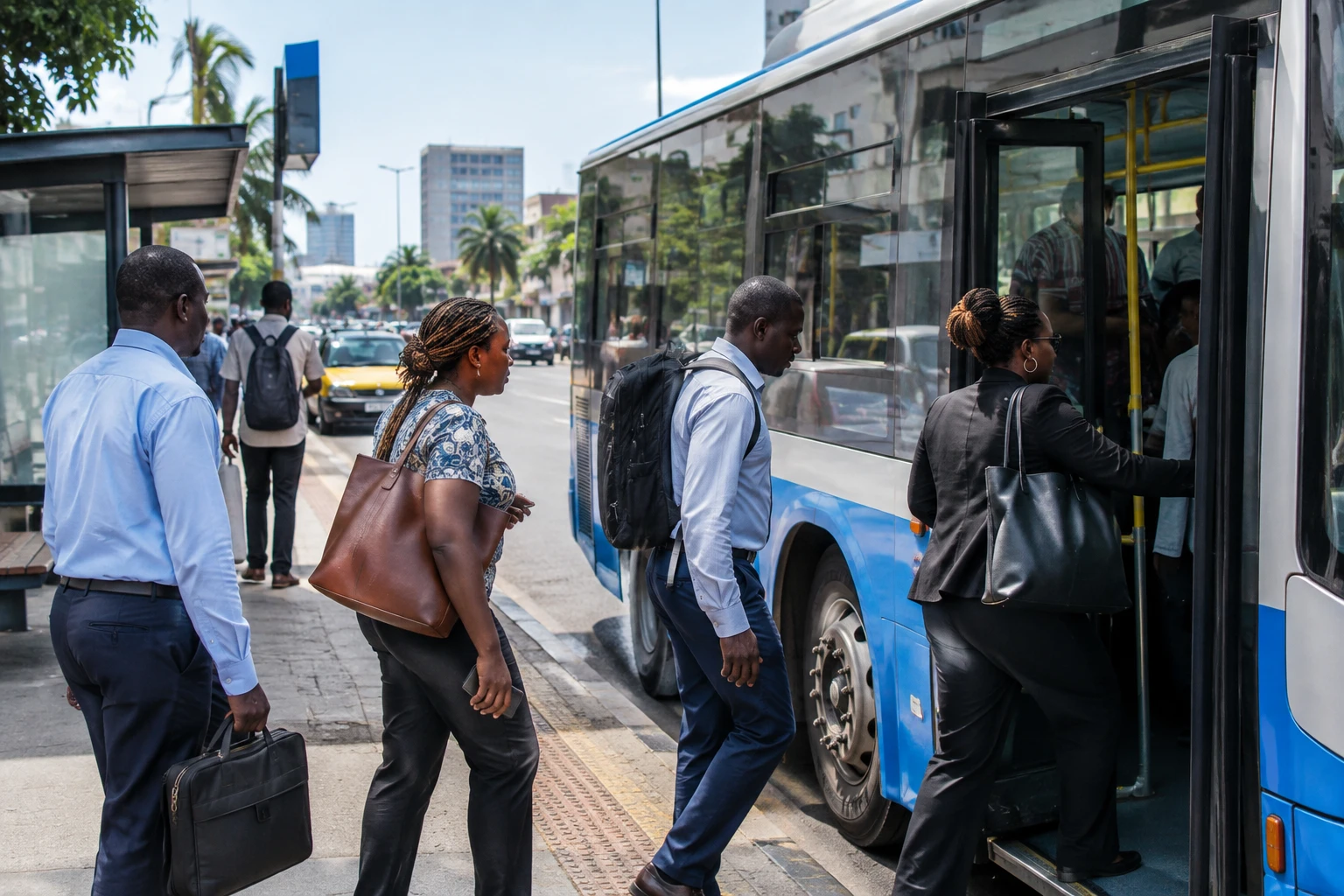
For Gabon, borrowing abroad helps finance the budget and defer some repayment deadlines. But the price of this access remains high: each new bond adds interest payable in dollars, while public revenues are mainly recorded in CFA francs.
This tension also plays out across Central Africa. Gabon belongs to CEMAC, the Central African Economic and Monetary Community, whose common currency is the CFA franc. In this zone, Libreville’s budget choices are of interest to regional investors, while recourse to international markets exposes the country to global rates and shifts in confidence.
Two issues, a cost that remains high
On 14 October 2026, Gabon raised $580m over eight years, with maturity in 2034 and a coupon of 9.375%. The coupon is the annual interest rate calculated on the initial amount borrowed. The Ministry of the Economy and Finance described the transaction as an international public bond issue, the first of its kind since 2021.
The order book reportedly approached $1bn, or about 1.7 times the amount ultimately issued. More than 100 investors are said to have taken part in the discussions, according to information provided by the authorities and reported by several media outlets. Demand exceeding supply shows interest in the bond, but does not mean that the borrowing is cheap.
This operation follows the one on 30 July, when Libreville borrowed $920m over seven years, also at a coupon of 9.375%. Together, the two issues amount to $1.5bn. This corresponds to the international borrowing allocation included in the 2026 revised budget, according to figures reported by the business press.
The ministry says the risk premium — the additional amount investors demand compared with debt considered safer — has fallen by about 50 basis points since July. Yet the announced coupon has not fallen, despite the longer term. On the initial principal of $580m, a coupon of 9.375% represents about $54.4m in interest a year, before repayment of the principal and any other potential fees.
Debt figures depend on the method used
The issue comes as budget needs remain substantial. In July, the government cut its 2026 revenue forecast by 22% to CFAF3,240bn and raised its annual financing requirement to CFAF915.6bn, according to figures reported by Reuters in the material available.
The level of debt is also subject to differing interpretations. An audit published in September by the Gabonese authorities put consolidated debt and other liabilities due at CFAF9,524.6bn at the end of 2025, or 68.91% of gross domestic product. This revision reflects, in particular, the reclassification of liabilities and the rebasing of GDP using 2022 as the reference year: it does not, by itself, represent a repayment of debt.
The World Bank presented an estimate of more than 80% of GDP, based on preliminary assessments made before the audit. These figures are not directly comparable without examining their scope and date. The gap is a reminder of why the definitions used — debt alone or a broader set of liabilities — matter as much as the percentage announced.
In June, Moody’s affirmed Gabon’s sovereign rating at Caa2, a category signalling high credit risk, while changing the outlook to negative. The cost of the two issues should therefore be viewed in the context of concerns about financing needs and the trajectory of public finances, rather than as an isolated measure of confidence.
Public financing beyond the markets
In Libreville, the challenge is to finance planned spending and manage repayment deadlines without undermining the state’s future ability to pay. Investment projects can support services and economic activity, but their debt financing must be weighed against the revenues they generate and the cost of debt service.
The effects are not evenly distributed. The government gains an immediate source of dollars. Interest, however, will have to be paid over time, while households, businesses and local administrations mainly feel the budget choices that follow: spending maintained, investment deferred or trade-offs over public services. Rural areas and informal-sector operators may be affected differently from businesses established in Libreville, depending in particular on how investment and infrastructure are distributed.
Gabon is also continuing its discussions with the International Monetary Fund. After a mission that concluded on 25 September, the IMF said technical discussions on public finances, debt and the budget outlook would continue, with a view to preparing possible talks on a programme. No agreement was announced at the end of the mission. The Gabonese authorities have also referred to the continuation of these discussions ahead of possible negotiations.
A signal closely watched in Central Africa
For investors, the next steps will be as important as the amount raised: the publication of comparable budget data, revenue trends, the management of arrears and any progress in discussions with the IMF. These developments will affect the terms on which Gabon can refinance in the future.
In CEMAC, Gabon’s case illustrates a trade-off shared by the region’s states: preserving access to financing while limiting the burden of repayments on national budgets. But Gabon is following its own trajectory, and its bond issues do not sum up the situation of its neighbours. The central question for Libreville is now whether the capital raised will support useful spending without making financing more expensive in the years ahead.