Algeria
 Egypt
 Libya
 Morocco
 Sudan
 Tunisia
 Benin
 Burkina Faso
 Cabo Verde
 Côte d'Ivoire
 Ghana
 Guinea
 Guinea-Bissau
 Liberia
 Mali
 Mauritania
 Niger
 Nigeria
 Senegal
 Sierra Leone
 The Gambia
 Togo
 Cameroon
 Central African Republic
 Chad
 DR Congo
 Equatorial Guinea
 Gabon
 Republic of the Congo
 São Tomé and Príncipe
 Burundi
 Comoros
 Djibouti
 Eritrea
 Ethiopia
 Kenya
 Madagascar
 Malawi
 Mauritius
 Mozambique
 Rwanda
 Seychelles
 Somalia
 South Sudan
 Uganda
 Angola
 Botswana
 Eswatini
 Lesotho
 Namibia
 South Africa
 Zambia
 Zimbabwe
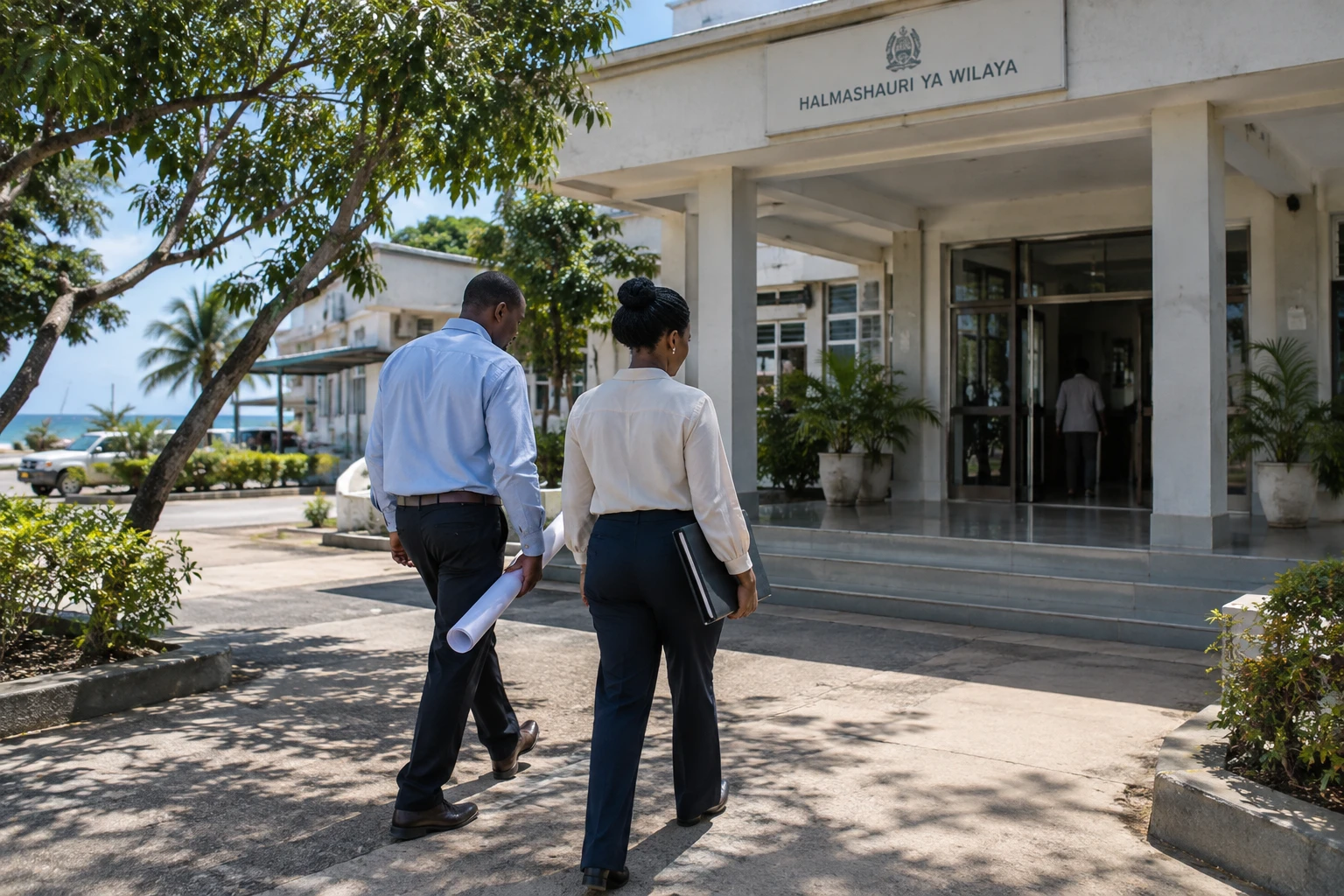
For residents of Lindi, in southern Tanzania, the benefits of a major gas project will depend less on its announced cost than on the rules governing jobs, public revenue and local supply. Yet despite advanced commercial negotiations, no final agreement has been reached to allow construction to begin.
A regional project still awaiting its legal framework
Tanzania has substantial offshore gas resources. The liquefied natural gas project, or LNG — gas cooled for transport by ship — is intended to develop fields off the coast of the Lindi region. The EAC, the East African Community, describes the project as a major export infrastructure scheme. It estimates the offshore reserves concerned at about 47,130 billion cubic feet. The EAC’s data on Tanzanian gas place this resource within a regional network that also includes infrastructure and cross-border transport projects.
The discussions bring together Tanzania’s state-owned TPDC, operators Equinor and Shell, as well as ExxonMobil, Pavilion Energy and Medco Energi. The cost cited is $42bn. This figure is an estimate for the project, not funding already committed or revenue guaranteed for the state.
On 13 October, Tanzanian Finance Minister Khamis Mussa Omar said negotiations were nearing completion. He did not, however, set a specific date for signing. His announcement echoes reports published in September by Tanzanian daily The Citizen: commercial and tax discussions were then said to be complete, while legal work continued.
The host government agreements, along with the legislation that will govern the project, still need to be finalised. Government and parliamentary approvals are also expected. Only then can the partners take a final investment decision, the stage at which they would formally commit to building. Signing an agreement does not therefore mean that work will start immediately.
Benefits will also be determined at home
A large share of the gas is intended for export. The authorities nevertheless want some of it to supply the Tanzanian market and support industry. This balance will be crucial: exports can bring in foreign currency and revenue, but the impact on households and businesses will also depend on connections, prices and the availability of gas on the domestic market.
The project forms part of an energy system that already uses gas to generate electricity. According to recent data reported by The Citizen, citing TPDC, production from the Songo Songo and Mnazi Bay sites is used in particular for electricity generation. The government is also targeting national generation capacity of 8,000 megawatts by 2030, combining gas, hydropower, solar and wind. The stated target alone does not guarantee more reliable or cheaper electricity for residents.
Jobs and contracts awarded to Tanzanian companies are another issue. TPDC has said that a local content strategy is to set out the participation of workers and domestic businesses. In the Lindi region, the effects could extend to construction, transport, catering and technical services. But the most skilled positions and major contracts will depend on the training available and the procurement criteria set out in the agreements.
Negotiations have already seen several deadlines pushed back. A financing agreement reached in 2023 has been the subject of discussions and proposed adjustments by the authorities, according to information published in October by La Tribune Afrique. These delays show that the challenge is not limited to attracting capital: it also involves defining investors’ obligations, tax rules and how revenue will be shared over time.
East African corridor in focus
Tanzania is seeking to strengthen its role in East Africa’s energy trade. Ugandan oil is to be transported to the Tanzanian port of Tanga through the regional EACOP pipeline. This project, separate from the LNG scheme, links Uganda’s ambitions to Tanzanian infrastructure. Together, the initiatives could increase trade flows in the region, without guaranteeing that the benefits will be shared fairly among countries and their populations.
For Dodoma, the country’s political capital, the project is also a test of economic governance. Contract transparency, oversight of revenue and the publication of commitments will affect public trust. Communities near the facilities, meanwhile, will need to know how access to land, local activities and environmental impacts will be addressed. These questions are not secondary: they will shape the project’s acceptance and implementation.
The next step to watch is therefore the conclusion of the legal agreements, followed by their review by Tanzanian institutions and the final investment decision. LNG could boost exports and regional supply, but both the timetable and the benefits remain uncertain. For the EAC, this prospect raises a broader question: how can energy resources be turned into infrastructure and activity that benefit people beyond the extraction sites themselves?