Algeria
 Egypt
 Libya
 Morocco
 Sudan
 Tunisia
 Benin
 Burkina Faso
 Cabo Verde
 Côte d'Ivoire
 Ghana
 Guinea
 Guinea-Bissau
 Liberia
 Mali
 Mauritania
 Niger
 Nigeria
 Senegal
 Sierra Leone
 The Gambia
 Togo
 Cameroon
 Central African Republic
 Chad
 DR Congo
 Equatorial Guinea
 Gabon
 Republic of the Congo
 São Tomé and Príncipe
 Burundi
 Comoros
 Djibouti
 Ethiopia
 Kenya
 Madagascar
 Malawi
 Mauritius
 Mozambique
 Rwanda
 Seychelles
 Somalia
 South Sudan
 Tanzania
 Uganda
 Angola
 Botswana
 Eswatini
 Lesotho
 Namibia
 South Africa
 Zambia
 Zimbabwe
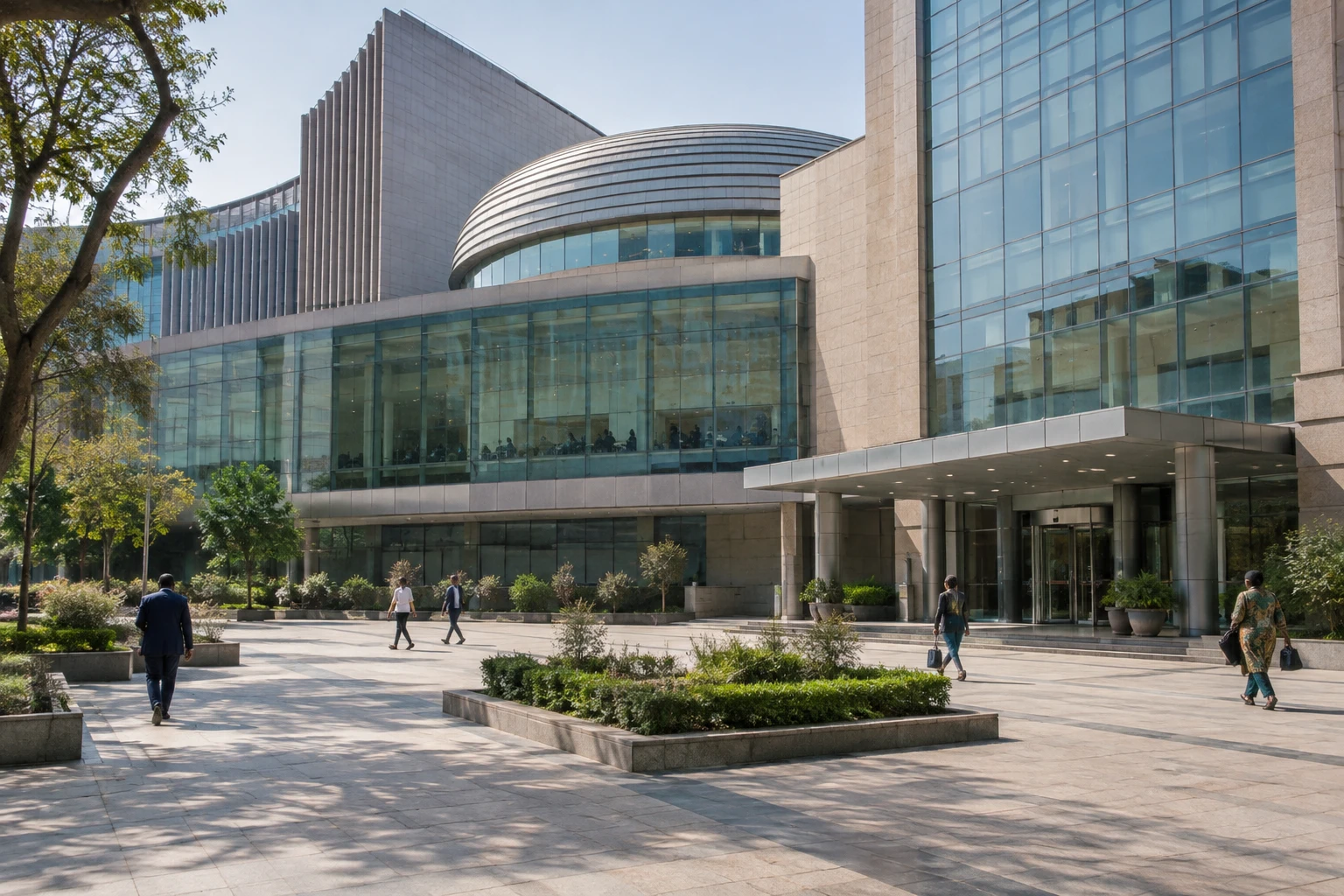
In northern Ethiopia, retaking a city is not enough to bring a war to an end. Fighting that resumed in Tigray in September has already spilled beyond the confrontation between the federal government and the Tigray People’s Liberation Front (TPLF). Accusations traded between Addis Ababa and Asmara are now raising the risk of a regional crisis.
A fragile truce and multiplying fronts
The current conflict is rooted in the deeply deteriorated relationship between Prime Minister Abiy Ahmed’s government and the TPLF, which leads the regional authorities in Tigray. The Pretoria Agreement, signed on 2 November 2022 under the auspices of the African Union, ended the two-year war. But its commitments did not resolve the political and security disputes separating the parties.
On 23 September 2026, Tigrayan forces took control of the airports in Mekele, Axum and Shire, according to conflict-monitoring group ACLED. The African Union called for restraint and a return to dialogue, saying the military actions threatened the gains made under the Pretoria Agreement. Clashes were also reported in the neighbouring regions of Amhara and Afar.
The conflict therefore does not pit just two forces against each other in a single region. An alliance of seven opposition groups, including the TPLF and armed factions active in Amhara and Oromia, has announced that it wants to overthrow the federal government. The coalition’s coordination and capabilities, however, remain uncertain. ACLED’s analysis of Ethiopia’s new fronts notes that the alliance’s members are pursuing different objectives.
Military advances, but claims that need verification
Federal forces and their allies have retaken several towns as they advanced through Tigray. On 3 October, government-allied fighters entered Mekele after Tigrayan forces withdrew. Commercial flights to the regional capital resumed on 11 October, according to reports by the Associated Press.
In mid-October, Addis Ababa also accused Eritrea of sending soldiers across the border and occupying areas in northern Ethiopia. In a letter to the UN Security Council, Ethiopia’s foreign minister invoked his country’s right to defend itself. He did not specify the measures under consideration. Eritrea rejects this justification and, in turn, accuses Ethiopia of seeking to seize access to the Red Sea by force.
These statements alone do not constitute independent proof of the alleged troop movements. The Associated Press says it has been unable to verify Ethiopia’s accusations. Residents and local sources interviewed by The New Humanitarian have, however, reported the presence of Eritrean forces in several places in Tigray, including the area around Adi Hageray. The outlet also reports that Eritrea disputes accounts of an incursion.
Caution is all the more necessary because earlier reports said government-allied forces had taken Shire and Axum, near the border. In a war where front lines shift quickly, an announced takeover of a city does not always establish who holds it for the long term, or which forces took part in the fighting.
The border and the port of Assab at the heart of the standoff
The current realignment is striking. During the Tigray war, from 2020 to 2022, the Eritrean army fought alongside Ethiopian federal forces against the TPLF. Today, Addis Ababa accuses Asmara of supporting its adversaries, a charge Eritrea denies. This reversal of alliances turns an internal conflict into a direct issue between two neighbouring states.
Access to the Red Sea is fuelling their rivalry. Ethiopia, a landlocked country since Eritrea’s independence in 1993, depends on foreign port corridors for its trade. The port of Assab, in Eritrea, has become a flashpoint following Ethiopian statements about the need to secure sovereign access to the sea. Asmara sees this as a threat to its territorial integrity. This strategic issue does not, however, establish that either government is necessarily preparing an invasion.
The most immediate consequences are falling on residents. In Adigrat, a town near the border, residents described shortages of food and medical care, as well as the closure of banks, to the Associated Press. In Mekele, the resumption of flights restores an important link, but does not resolve either insecurity or supply difficulties. In rural areas, fighting and blocked roads are making access to markets and health services even harder.
The region is still bearing the scars of the previous war: displacement, a weakened local economy and strained public services. The New Humanitarian estimates that around one million people remain displaced in Tigray and nearly four million need assistance. These estimates are attributed to the outlet and should be read in a context where humanitarian access and data collection remain difficult.
A test for the African Union and the Horn of Africa
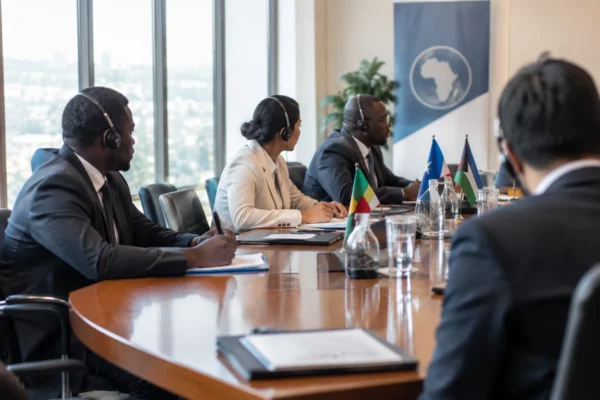
The African Union, headquartered in Addis Ababa, has reaffirmed that the Pretoria Agreement remains the framework for resolving the conflict and called for direct talks to resume. The UN secretary-general has also urged the parties to end hostilities. But these diplomatic appeals are running up against mistrust between the federal government, Tigrayan leaders and Eritrea.
The crisis also concerns the Intergovernmental Authority on Development (IGAD), the regional organisation for East Africa, because any escalation could destabilise relations in the Horn of Africa. Tensions are affecting trade routes and balances already disrupted by conflicts in Sudan and Somalia. For neighbouring states, a sustained resumption of fighting would also mean further displacement and increased pressure on humanitarian corridors.
The next challenge is therefore not just the advance of forces towards the border. It is whether the TPLF’s setbacks will lead to renewed negotiations or an expansion of the fighting, and whether the accusations between Ethiopia and Eritrea will be examined through credible mechanisms. Without channels for dialogue and independent verification, each military move risks fuelling escalation rather than stabilising the country’s north.