Algeria
 Libya
 Morocco
 Sudan
 Tunisia
 Benin
 Burkina Faso
 Cabo Verde
 Côte d'Ivoire
 Ghana
 Guinea
 Guinea-Bissau
 Liberia
 Mali
 Mauritania
 Niger
 Nigeria
 Senegal
 Sierra Leone
 The Gambia
 Togo
 Cameroon
 Central African Republic
 Chad
 DR Congo
 Equatorial Guinea
 Gabon
 Republic of the Congo
 São Tomé and Príncipe
 Burundi
 Comoros
 Djibouti
 Eritrea
 Ethiopia
 Kenya
 Madagascar
 Malawi
 Mauritius
 Mozambique
 Rwanda
 Seychelles
 Somalia
 South Sudan
 Tanzania
 Uganda
 Angola
 Botswana
 Eswatini
 Lesotho
 Namibia
 South Africa
 Zambia
 Zimbabwe
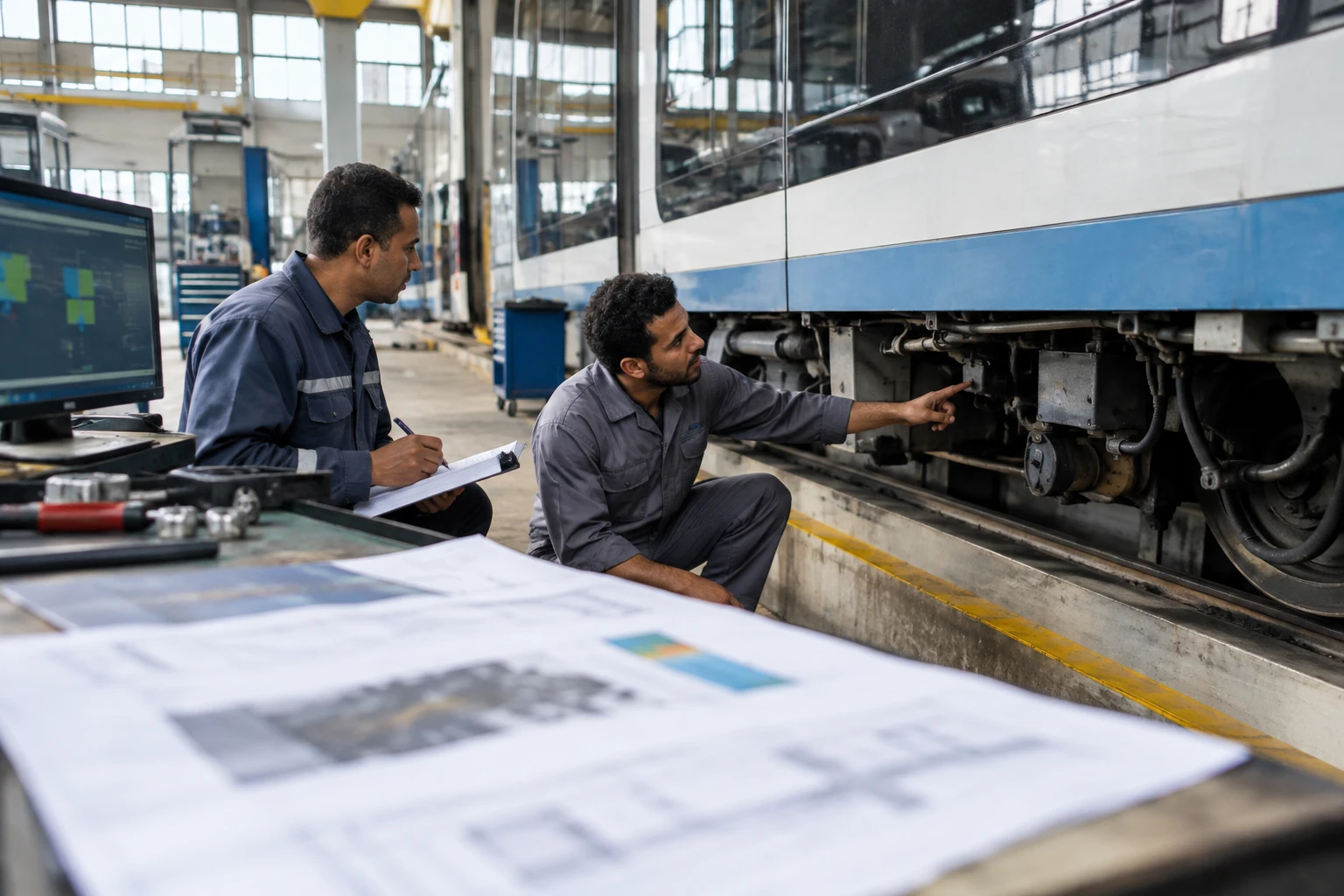
Connecting administrative districts, employment zones and new residential developments is about more than laying tracks. In Egypt, a hydrogen tramway project offers a new option for serving the New Administrative Capital. But it remains to be shown that it will be feasible, affordable and useful for everyday travel.
A project still under study in a city already connected by rail
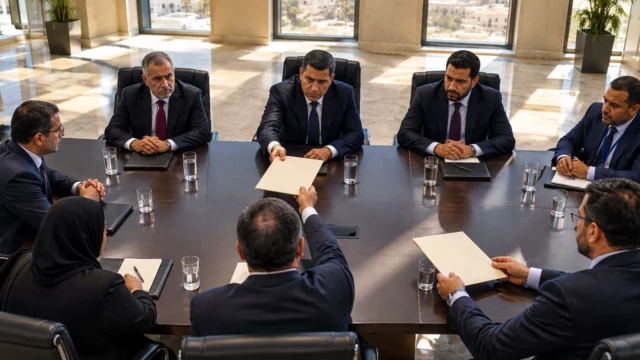
On 7 October 2026, Egypt’s National Authority for Tunnels (NAT) and South Korean manufacturer Hyundai Rotem signed a memorandum of understanding in Seoul. The two parties will study the feasibility of a hydrogen tramway in the New Capital, east of Cairo. The proposal involves the supply of 44 tramsets. That figure is an option under consideration, not a firm order or a timetable for the start of service. Ahram Online reports the initial outline of the study, which was also presented in information published by South Korea’s KOTRA.
The signing took place on the sidelines of an economic meeting between Egypt and South Korea, while President Abdel-Fattah al-Sissi was in Seoul. According to information released about the agreement, the study is to examine the project’s economic viability. Construction, operation and maintenance arrangements are also among the areas for co-operation. These elements therefore remain to be specified.
The proposed tramway would not start from scratch. The New Capital is already connected to eastern Cairo by the Light Rail Transit (LRT), which entered service in phases. The East Nile Monorail, whose first section opened in May 2026, also serves the area and connects with the LRT at the City of Arts and Culture station. The National Authority for Tunnels’ website describes this interchange. The question, then, is whether the tramway would serve routes that are currently poorly covered or add another service to existing lines.
Hydrogen alone does not guarantee clean transport
A hydrogen tramway generates electricity on board using a fuel cell. It can therefore run without overhead wires along its entire route, unlike a tram powered by overhead electric lines. The technology may suit certain urban constraints. But it also requires infrastructure to produce, store and distribute the fuel.
Its environmental impact will depend in particular on the source of the hydrogen. If it is produced from fossil fuels without emissions capture, its use does not guarantee a net reduction in greenhouse gases. By contrast, production powered by low-carbon energy could reduce the system’s footprint, subject to taking the entire supply chain into account. Purchase and operating costs, maintenance, tram frequency and ticket prices will all carry equal weight in the decision.
This caution matters in a country that has invested in major rail infrastructure for several years. The LRT already connects the current capital with the New Capital and new cities to the east. The monorail adds an elevated link. Other projects, including a high-speed rail network, aim to connect several regions. For the authorities, this diversification is intended to support urbanisation and reduce dependence on cars and fossil fuels. It also raises a question of budget priorities: which connections will bring the greatest benefits to passengers?
Services must benefit residents, not just new centres
The New Capital brings together government departments, facilities and jobs. Its transport links therefore concern civil servants, private-sector employees, students and visitors, as well as residents of Greater Cairo travelling from other districts. An efficient line can make these journeys easier. However, if connections take too long or fares are too high, passengers may continue to rely on cars, taxis and minibuses.
The challenge extends beyond the new city. Access to transport across the Cairo metropolitan area varies by district and income. Workers in the informal economy, whose hours and places of work often change, need frequent services and simple connections. Families in peripheral areas need reliable links to jobs, schools and services. A prestigious infrastructure project will not meet these needs without integrated fares, suitable timetables and connections with bus and metro networks.
Urban growth makes this issue more pressing. Greater Cairo is home to a population of several tens of millions, depending on the boundaries used in estimates. Figures vary according to whether they include the city alone, the metropolitan area or neighbouring governorates; it is therefore better not to treat them as a single measure of demand. For transport planning, the central question remains practical: will the new lines reduce journey times and improve access to services for residents across the metropolitan area?
A regional signal, with results still to be established
The project also illustrates the role of international industrial partnerships in Egypt’s transport choices. South Korea would provide the manufacturer’s expertise and, if the project goes ahead, some of the systems and vehicles. For Egypt, the challenge will be to specify the terms of financing and skills transfer, as well as the ability of local teams to operate and maintain the system over the long term. The memorandum alone offers no basis for conclusions on these points.
Across North Africa, the project comes amid efforts by cities to develop public transport in response to urban sprawl and emissions. The Arab Maghreb Union, which brings Egypt together with other countries in the region, provides a regional framework, but nothing in the announced agreement points to Maghreb co-operation on this line. Its continental significance lies instead in the question it raises: can rail innovation go hand in hand with accessible services and lower-carbon energy production?
The next step, then, will be the feasibility study. It will need to turn the announcement into verifiable data: route, cost, financing, timetable, expected ridership and the source of the hydrogen. Only on the basis of these details, followed by any investment decision, will it be possible to judge whether the tramway genuinely complements the Cairo and New Capital network.