Algeria
 Egypt
 Libya
 Morocco
 Sudan
 Tunisia
 Benin
 Burkina Faso
 Cabo Verde
 Côte d'Ivoire
 Ghana
 Guinea
 Guinea-Bissau
 Liberia
 Mali
 Mauritania
 Niger
 Nigeria
 Senegal
 Sierra Leone
 The Gambia
 Togo
 Cameroon
 Central African Republic
 Chad
 DR Congo
 Equatorial Guinea
 Gabon
 Republic of the Congo
 São Tomé and Príncipe
 Burundi
 Comoros
 Djibouti
 Eritrea
 Ethiopia
 Kenya
 Madagascar
 Malawi
 Mauritius
 Mozambique
 Rwanda
 Seychelles
 Somalia
 South Sudan
 Tanzania
 Uganda
 Angola
 Botswana
 Eswatini
 Lesotho
 Namibia
 South Africa
 Zambia
 Zimbabwe
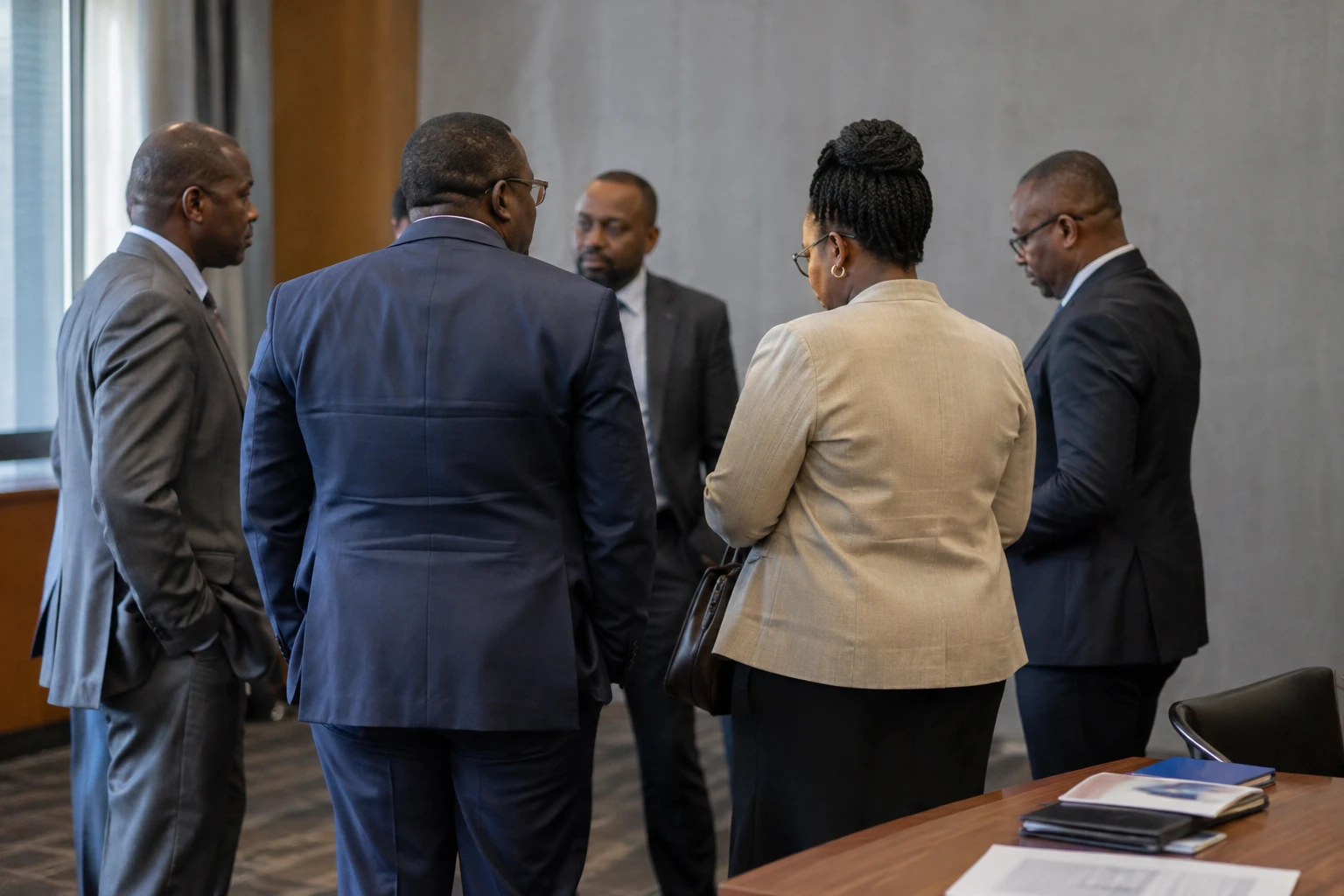
In Kinshasa, the Leopards’ World Cup qualification remains a source of pride. But revelations about Lionel Mpasi’s administrative file have now shifted the debate: were eligibility rules applied in the same way to all teams?
A historic qualification under scrutiny
The Democratic Republic of the Congo secured a place at the World Cup in March 2026 after beating Jamaica in the intercontinental play-off. For Congolese people, this qualification ended a 52-year wait since the country’s sole appearance, as Zaire, in 1974.
It also comes amid an African competition in which places are scarce and the consequences of administrative decisions are considerable. The Confederation of African Football (CAF) organises qualifying in the zone, while FIFA sets eligibility rules and considers challenges. Nigeria, beaten by DR Congo in the African play-off in November 2025, subsequently petitioned world football’s governing body.
The sequence prompted mixed reactions in Kinshasa. Some supporters defend the qualification and denounce a late challenge. Others believe a sporting victory does not absolve federations of the need to answer procedural questions. The debate is therefore about both the Leopards’ place at the World Cup and the credibility of football’s administrative adjudication.
What the revelations establish — and what remains disputed
Internal FIFA documents reviewed by Le Monde and the New York Times indicate that the governing body’s lawyers considered Lionel Mpasi ineligible for four qualifying matches played for DR Congo. The goalkeeper, who had played for France’s youth teams, had reportedly not completed the procedure required to change sporting allegiance.
FIFA did not, however, sanction the Congolese federation or the player. It says the complaint filed by the Nigerian Football Federation was declared inadmissible on procedural and timing grounds. The governing body also maintains that there was no eligibility issue for the play-off against Jamaica or during the World Cup. These details distinguish two periods: the African qualifying matches at the heart of the reported legal findings, and then the intercontinental play-off and the final tournament.
Pan-African outlet Africanews, citing the Associated Press, also reported questions over the authorisation to change sporting allegiance and the examination of Nigeria’s complaint. Another report, published by African Football, notes that lawyers reportedly considered that a different application of the rules could have changed the course of the African play-offs, potentially benefiting Burkina Faso. FIFA denies any intervention by its president in the proceedings.
It is therefore important to distinguish documented facts from broader allegations. The cited documents refer to an incomplete file and legal recommendations that were not followed. But, on their own, they are not enough to publicly establish political intervention or an intention to favour DR Congo. The Congolese federation has not provided a detailed response in the information available.
The rules, their application and their consequences
A change of sporting allegiance allows a player who has represented a youth national team to go on to represent another country, subject to certain conditions. The procedure is handled by FIFA. An administrative error can therefore have implications beyond one player: it may call results into question, alter a table or pave the way for challenges between federations.
In this case, FIFA lawyers reportedly considered several options, including awarding DR Congo a forfeit defeat against Nigeria. But the disciplinary committee ruled the complaint inadmissible, and the governing body imposed no sanction. The sporting result therefore stands for now. The revelations are not, in themselves, a decision overturning DR Congo’s qualification.
For players and supporters, the uncertainty may nevertheless tarnish recognition of a campaign built on the pitch. For federations, the case is a reminder that a sporting nationality file must be complete before decisive matches. And for governing bodies, it raises a question of consistency: are the rules applied predictably, including when their consequences would overturn a major qualification?
The debate also has a regional dimension. Nigeria believes it lost an opportunity to participate in the World Cup and is considering its options. Burkina Faso is cited in analyses as a team that could have benefited from a different play-off scenario. These national interests are distinct, but all depend on confidence in FIFA and CAF procedures.
Trust beyond the stadiums
For DR Congo, a member of CAF and the Southern African Development Community (SADC), the stakes go beyond a dispute between supporters. Qualification has given the Leopards continental visibility and strengthened popular attachment to the team. A clear response from the federation and the governing bodies would help distinguish sporting performance from the alleged administrative failings.
What happens next will depend on any steps taken by Nigeria, decisions by the competent bodies and explanations from FIFA and the Congolese Football Federation. Until then, two facts coexist: DR Congo earned its place on the pitch, and documents reported by several media outlets raise serious questions about Mpasi’s eligibility in qualifying matches. Conflating them — or claiming that one cancels out the other — would not do justice to the facts.