Algeria
 Egypt
 Libya
 Morocco
 Sudan
 Tunisia
 Benin
 Burkina Faso
 Cabo Verde
 Côte d'Ivoire
 Ghana
 Guinea
 Guinea-Bissau
 Liberia
 Mali
 Mauritania
 Niger
 Nigeria
 Senegal
 Sierra Leone
 The Gambia
 Togo
 Cameroon
 Central African Republic
 Chad
 DR Congo
 Equatorial Guinea
 Gabon
 Republic of the Congo
 São Tomé and Príncipe
 Burundi
 Comoros
 Djibouti
 Eritrea
 Ethiopia
 Madagascar
 Malawi
 Mauritius
 Mozambique
 Rwanda
 Seychelles
 Somalia
 South Sudan
 Tanzania
 Uganda
 Angola
 Botswana
 Eswatini
 Lesotho
 Namibia
 South Africa
 Zambia
 Zimbabwe
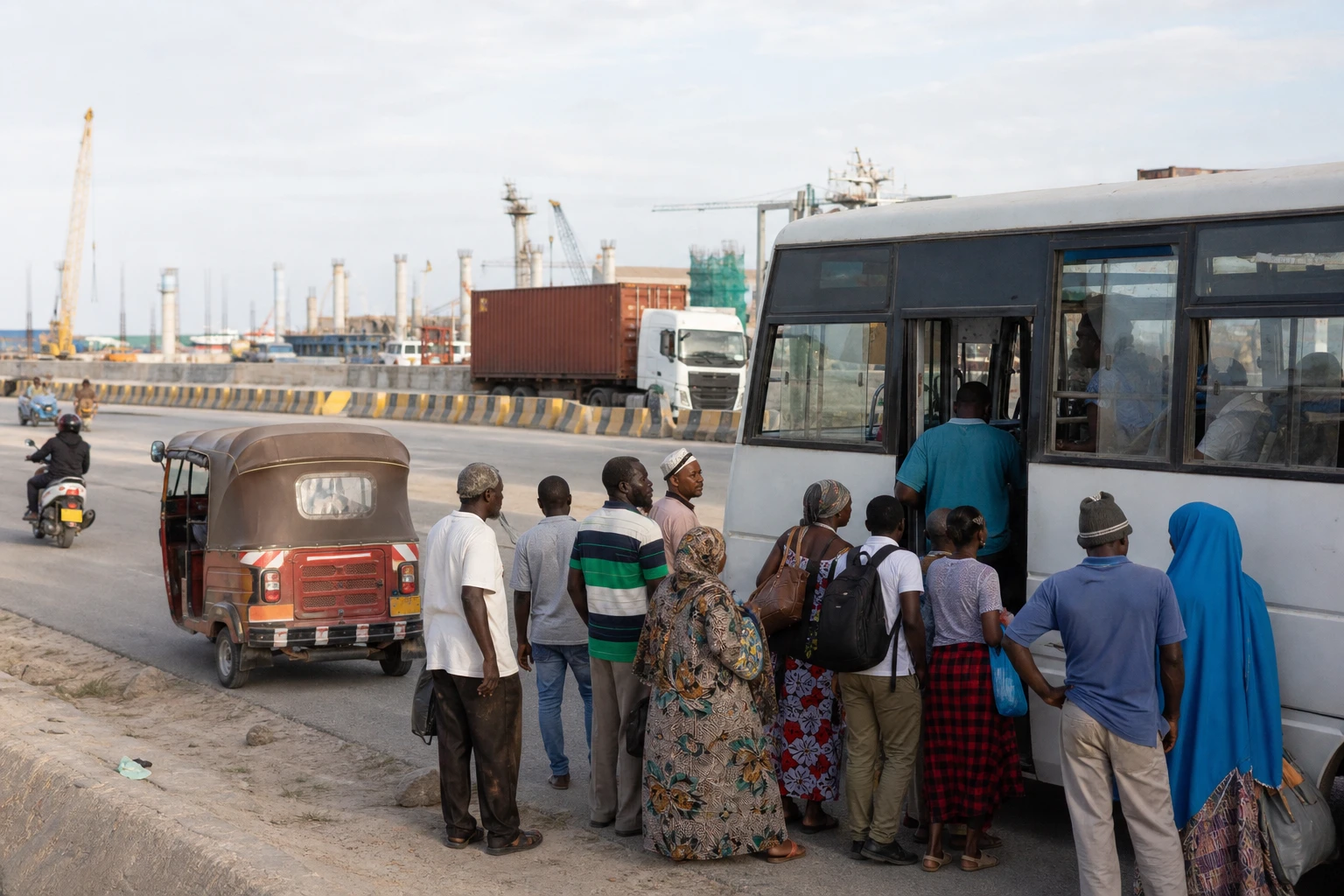
In Lamu, on Kenya’s coast, an energy project aims to reshape East Africa’s industrial landscape. But even before construction begins, Dangote’s planned refinery is at the centre of a debate over land, the environment and the place of local communities in major investments.
Lamu becomes the anchor for a regional industrial gamble
Aliko Dangote and Kenyan President William Ruto are due to launch work on a refinery announced for Lamu on Wednesday, 30 September 2026. The project is worth about $16 billion, according to estimates released by the Nigerian group and reported by several African business media outlets.
The planned facility is expected to process up to 700,000 barrels of crude oil a day. If it reaches this capacity, it would become East Africa’s largest refinery. The Dangote Group is targeting a start-up around 2030.
The site is in the Magogoni area, part of the LAPSSET corridor. The acronym refers to a major Kenyan programme linking the port of Lamu to Ethiopia and South Sudan through port, road, rail and energy infrastructure.
Kenya may seem an unexpected choice. The country does not yet produce enough oil to supply a facility of this scale. However, a refinery does not need to be located in an oil-producing country. It can import crude by sea and then distribute refined products to several markets.
Kenya’s Energy and Petroleum Minister, Opiyo Wandayi, has defended this approach. The international market, he explained, would allow the facility to source supplies beyond the region’s own resources.
The Dangote Group often cites Singapore as a precedent. The Asian city-state produces very little oil, but has established itself as a global refining and trading hub thanks to its port infrastructure.
Major investment, but guarantees still awaited
For Kenya, the stakes go beyond building a plant. The country imports a large share of the fuel consumed by households, businesses and the transport sector. Regional production could reduce reliance on cargoes from the Middle East and other international markets.
However, a refinery does not automatically guarantee lower prices at the pump. The cost of crude oil, shipping, taxes, distribution margins and the exchange rate will continue to affect the bill for Kenyan consumers.
The project also includes a power plant of about 1,000 megawatts. It is intended to supply the refinery and support the establishment of other industries around the port of Lamu. This component is strategic in a region where the cost and reliability of electricity remain decisive factors in industrialisation.
Aliko Dangote says the refinery could create up to 60,000 jobs during its construction and development. This figure would include direct jobs, subcontractors and induced activity. It will, however, need to be specified in the project’s detailed economic studies.
Supply also remains a central issue. Uganda’s oil reserves and Kenyan projects in the Lokichar basin could eventually provide some of the crude. But the volumes, timelines and infrastructure required are not yet aligned with a capacity of 700,000 barrels a day.
Kenyan public documents refer in particular to a proposed pipeline between Lokichar, in northern Kenya, and Lamu. Its planned capacity is far below that of the future refinery. The group will therefore probably need to combine several African and international sources of supply.
In Lamu, residents demand a say in decision-making
The project’s development is already facing local opposition. Residents are calling for better compensation for the land affected. Their demand took on new significance after a court ruling called for the status quo at the site to be maintained while it considers a case brought by residents claiming land rights.
Dangote has said his group would use only land made available to it by the authorities. He has also said that construction would not be halted by protests or legal challenges.
This position does not resolve the question of consultation. Walid Ali, co-founder of the environmental organisation Save Lamu, says communities want access to the findings of the environmental impact assessment. In particular, they want to know what measures are planned to limit the project’s effects on ecosystems and local livelihoods.
Lamu is no stranger to tensions over major projects. The LAPSSET corridor is intended to strengthen regional trade, but it is also changing how land, coastal areas and fishing grounds are used. The expected national benefits are therefore not enough to address the concerns of the residents directly affected.
The precedent of the Lamu coal-fired power plant remains fresh in people’s minds. In 2019, Kenya’s courts revoked the project’s environmental licence, finding that public consultation had been insufficient. The planned refinery will need to take this case law into account and demonstrate that its assessment procedures are robust.
A project that reaches beyond Kenya’s borders
The refinery is part of a regional contest to become East Africa’s main energy gateway. Kenya, Tanzania and Uganda are each seeking to strengthen their role in transporting, storing or processing hydrocarbons.
Uganda is developing its own oil projects and is considering a refinery near Hoima. Tanzania has direct access to the sea and has been discussing new energy infrastructure for several years. Choosing Lamu could therefore give Kenya a potential advantage, but would also expose the project to competition from neighbouring ports.
For the East African Community (EAC), which facilitates economic integration among several countries in the region, the refinery could boost trade in petroleum products. It could serve Kenya, Uganda, Tanzania, Rwanda and Burundi and, depending on available infrastructure, other landlocked markets.
The project’s success will nevertheless depend on specific conditions: financing actually secured, land rights settled, compensation made transparent, environmental approval granted, crude available and transport networks built.
The launch on 30 September 2026 will therefore mark a political and symbolic milestone. It will not yet prove the complex’s economic viability. For Lamu’s residents and consumers across the region, the next measure will be whether the project can turn an industrial promise into verifiable benefits without excluding communities from decision-making.