Algeria
 Egypt
 Libya
 Morocco
 Sudan
 Tunisia
 Benin
 Burkina Faso
 Cabo Verde
 Côte d'Ivoire
 Ghana
 Guinea
 Guinea-Bissau
 Liberia
 Mali
 Mauritania
 Niger
 Senegal
 Sierra Leone
 The Gambia
 Togo
 Cameroon
 Central African Republic
 Chad
 DR Congo
 Equatorial Guinea
 Gabon
 Republic of the Congo
 São Tomé and Príncipe
 Burundi
 Comoros
 Djibouti
 Eritrea
 Ethiopia
 Kenya
 Madagascar
 Malawi
 Mauritius
 Mozambique
 Rwanda
 Seychelles
 Somalia
 South Sudan
 Tanzania
 Uganda
 Angola
 Botswana
 Eswatini
 Lesotho
 Namibia
 South Africa
 Zambia
 Zimbabwe
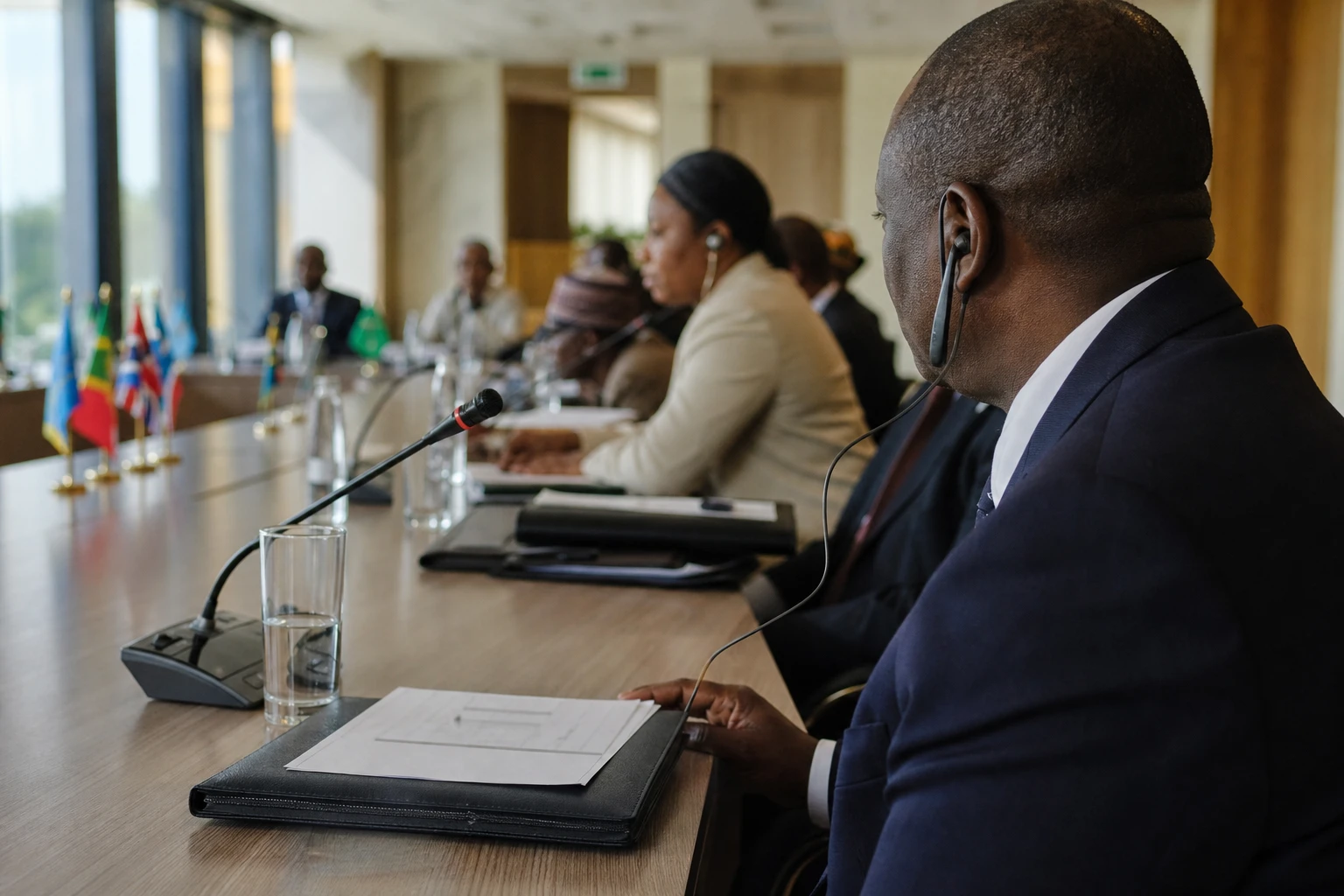
In Ropp district, mining has become a meeting point for local incomes, communal tensions and security risks. An attack on Saturday 26 September 2026 in Lajam Marit, in Plateau State, has once again placed this vulnerability at the heart of Nigerian concerns.
The death toll, however, remains unclear. Security sources cited by Zagazola Makama report six dead and two injured. A community organisation cited by Vanguard Nigeria puts the toll at five dead and two injured. In the absence of a consolidated official toll, these figures should remain attributed.
Attack at the heart of a tense mining corridor
The incident took place at about 11.37am, according to information gathered from security sources. Armed men opened fire on people at a mining site in the village of Lajam Marit, in Ropp district, which falls under the Barkin Ladi local government area.
Troops from Sector 4 of Operation Enduring Peace, deployed in Dorowa, responded after receiving an alert. On arrival, they found several gunshot victims, according to the security report carried by Zagazola Makama.
The two injured people were identified as Samuel Mamod and soldier Mamod Francis Samuel. They were reportedly taken to Barkin Ladi General Hospital. These identities and their state of health have not been independently confirmed in public by the available sources.
After the attack, the army stepped up patrols around Dorowa, Babuje, Marit and Lajam. The announced operations are intended to search for the attackers, gather intelligence and limit the risk of reprisals.
Plateau faces recurring violence
The incident did not occur in a security vacuum. Plateau, in north-central Nigeria, has experienced clashes for several years over access to land, population movements, livestock rearing, agriculture and control of resources.
In the areas of Barkin Ladi, Bokkos, Mangu and Riyom, attacks can quickly trigger reprisals. A killing, the destruction of crops or cattle theft can sometimes be enough to restart a cycle of violence between neighbouring communities. The risk is particularly high when victims belong to groups already bound up in competing narratives.
State authorities have previously imposed night-time restrictions in several localities after a series of deadly incidents. In February 2026, Plateau police reported deaths and injuries after attacks on Jol, Dorowa Babuje and neighbouring areas, according to Channels Television.
This succession of alerts weighs directly on residents. In villages, travel becomes more difficult after dark. Farmers hesitate to go to their fields. Artisanal miners, often without permanent protection, work in remote areas where security forces take time to reach them.
Violence also undermines local incomes. Mining provides jobs and supports transport, trade and food businesses. But unregulated sites can also attract armed groups, extortion networks and traffickers. Securing mining areas is therefore not simply a matter of combating attacks. It also involves economic regulation and worker protection.
A threat distinct from jihadist insurgencies
Nigeria faces several forms of violence that should not be conflated. In the north-west and parts of the centre, armed criminal groups carry out kidnappings, village raids and cattle theft. In the north-east, Boko Haram and the Islamic State West Africa Province, or ISWAP, remain associated with a jihadist insurgency centred on the Lake Chad basin.
Nothing in the available information about Lajam Marit makes it possible to attribute the attack to Boko Haram, ISWAP or another jihadist organisation. Nor have the authorities publicly identified those responsible. The term “bandits”, often used in Nigerian public debate, covers a range of realities and does not prove the attackers’ identity.
This caution is essential. In Plateau, violence is often linked to local conflicts, land disputes, reprisals or criminal activity. Reducing it to a single terrorist narrative risks obscuring the mechanisms that sustain the crisis at community level.
A regional security concern
Plateau lies at the heart of Nigeria, West Africa’s largest country by population and economy. A prolonged deterioration in the situation in the state could disrupt routes linking Abuja, Jos and other centres in the country’s middle belt. It could also increase forced displacement and pressure on agricultural markets.
The issue therefore concerns Nigeria’s internal security, but also the stability of the Economic Community of West African States, ECOWAS, which coordinates regional responses to trafficking, armed groups and cross-border displacement. Criminal networks exploit borders and difficulties in coordination between administrations, even when an attack remains localised.
In the short term, the investigation into Lajam Marit will need to establish the exact number of victims, the motive for the attack and the attackers’ identities. The authorities will also need to prevent reprisals around Marit, Dorowa and Babuje. A military presence can contain the immediate crisis, but it cannot replace mediation, protection of farmland and monitoring of mining sites.
For Plateau residents, the issue is tangible: being able to work, farm and travel without turning every journey into a security risk. The response will be measured less by the number of patrols announced than by the ability to protect communities over the long term and bring those responsible to justice.