Algeria
 Egypt
 Libya
 Morocco
 Sudan
 Tunisia
 Benin
 Burkina Faso
 Cabo Verde
 Côte d'Ivoire
 Ghana
 Guinea
 Guinea-Bissau
 Liberia
 Mali
 Mauritania
 Niger
 Nigeria
 Senegal
 Sierra Leone
 The Gambia
 Togo
 Cameroon
 Central African Republic
 Chad
 DR Congo
 Equatorial Guinea
 Gabon
 Republic of the Congo
 São Tomé and Príncipe
 Burundi
 Comoros
 Djibouti
 Eritrea
 Ethiopia
 Kenya
 Madagascar
 Malawi
 Mauritius
 Mozambique
 Rwanda
 Seychelles
 Somalia
 Tanzania
 Uganda
 Angola
 Botswana
 Eswatini
 Lesotho
 Namibia
 South Africa
 Zambia
 Zimbabwe
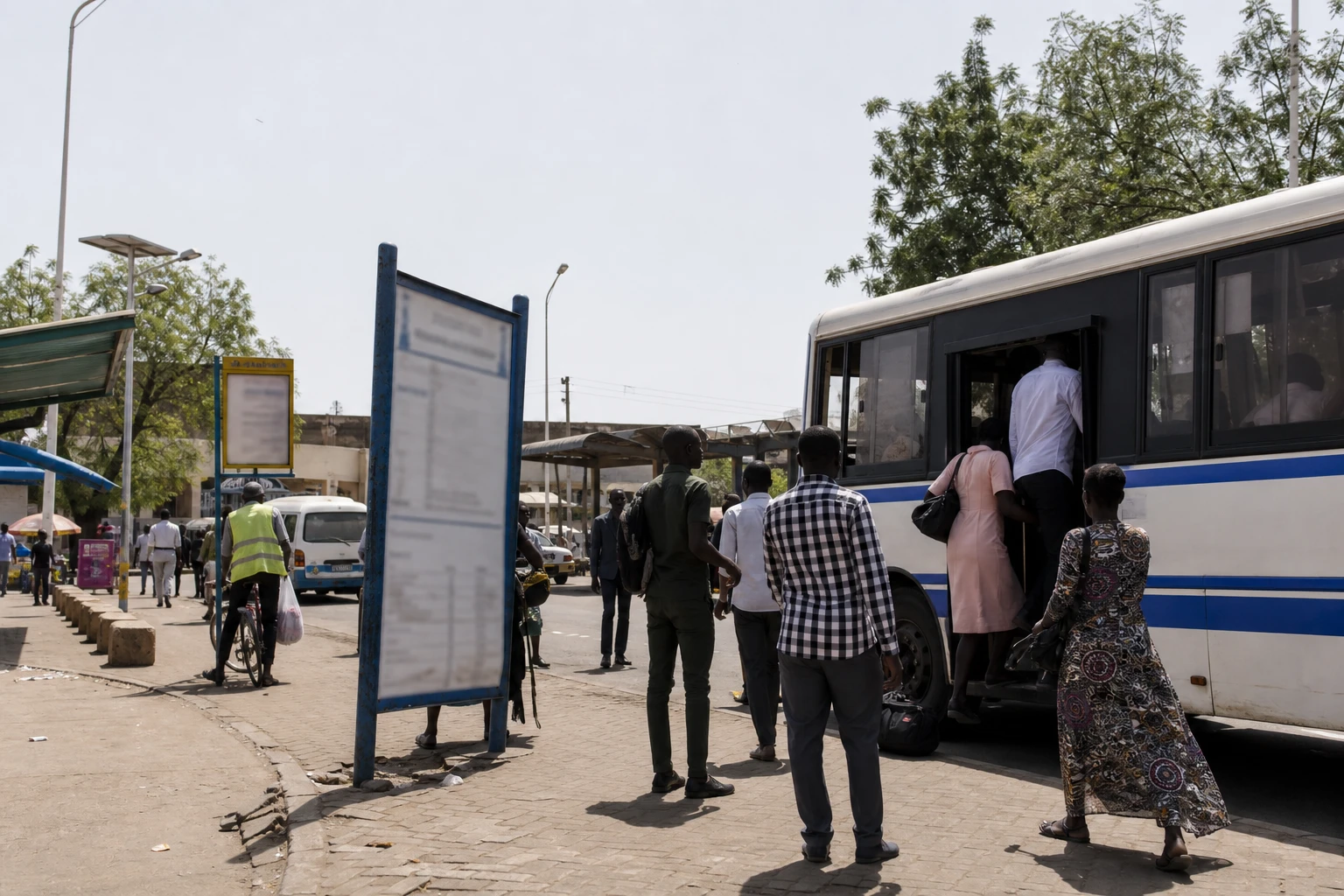
In Juba, the transition meant to lead South Sudan towards its first national elections is ending amid mistrust. Salva Kiir’s decision once again concentrates the levers of the state around the presidency, while his main rival, Riek Machar, is excluded from the political framework.
Transition under peace deal reaches its end
South Sudanese President Salva Kiir announced on 22 September 2026 the dissolution of the transitional unity government. An interim administration is now to manage public affairs until the general election scheduled for 22 December 2026.
The decision follows the adoption of amendments to the electoral law. The South Sudan Broadcasting Corporation describes this step as the end of the transition period and as legal preparations for the elections.
In practice, the decree ends the political structure created by the 2018 Revitalised Agreement on the Resolution of the Conflict in the Republic of South Sudan. The agreement established power-sharing between Salva Kiir’s camp and Riek Machar’s, after five years of civil war.
Riek Machar had served as first vice-president since the formation of the transitional unity government in February 2020. His movement, the SPLM-IO, also took part in several central institutions, including those responsible for security, oil and territorial governance.
Machar’s party rejects process it considers imbalanced
Riek Machar’s camp says it rejects the electoral process launched by the authorities. It argues that the changes were decided unilaterally, without sufficient guarantees for the opposition or a credible power-sharing mechanism.
The dispute is therefore not only about the dissolution of the government. It also concerns the conditions for the election. Machar’s party fears that an interim administration dominated by the incumbent president will run a contest whose rules, institutions and resources are already weighted against the opposition.
The rupture is part of a gradual deterioration in relations between the two leaders. Riek Machar has been deprived of his freedom since March 2025. He is being prosecuted in Juba in a case linked to violence in Upper Nile State. In September 2025, South Sudan’s Justice Ministry announced charges including murder, treason, terrorism and crimes against humanity.
These accusations are disputed by the former vice-president’s camp. They have nonetheless sharply reduced his ability to participate directly in political negotiations. The trial opened in Juba is thus proceeding alongside the reorganisation of national institutions.
Election timetable faces major constraints
The vote on 22 December 2026 is to be the first national election held since South Sudan declared independence on 9 July 2011. The country has yet to see a presidential transfer of power resulting from a general election.
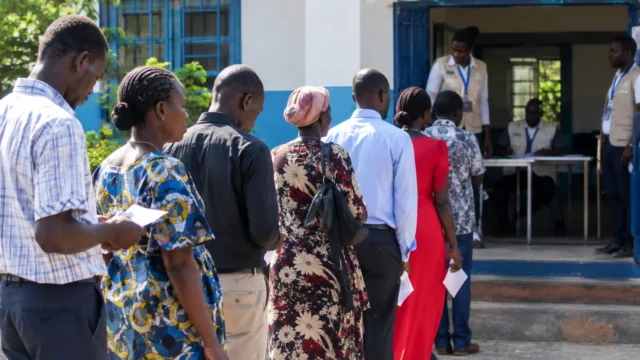
Several challenges remain. Electoral institutions must update voter rolls, organise party registration and prepare for voting across a vast, poorly connected country marked by sharp disparities between Juba and the regions.
Security remains just as decisive. South Sudan still has numerous armed groups and forces from the civil war that have not been fully integrated into a unified chain of command.
In some rural areas, local rivalries, land disputes and clashes between armed groups may have more influence on turnout than institutional debates in the capital. An election organised technically in Juba would therefore not, on its own, guarantee a genuinely competitive poll nationwide.
The credibility of the process will also depend on candidates’ access to the media, freedom of assembly and observers’ ability to work without pressure. It will ultimately rest on the publication of results accepted by the main political actors.
Executive power strengthened in a country under pressure
Setting up an interim administration may ensure continuity of the state. It could also strengthen the presidency’s control over ministries, regional governments and public resources.
This concentration of power comes amid an economy heavily dependent on oil. Oil revenues fund a large share of the budget, but their management remains vulnerable to production stoppages, tensions with neighbouring Sudan and difficulties transporting exports.
For public-sector employees, traders and informal-economy workers, the immediate concern is stability. Delayed salaries, price fluctuations and insecurity directly affect households. In producing regions, residents also expect national revenues to translate into more reliable public services.
For political leaders, the balance of power is different. Salva Kiir now has a considerable institutional advantage. The opposition must decide whether to take part in the election despite its reservations or boycott it, risking a further reduction in its presence in institutions.
IGAD and African Union face regional test
The South Sudan crisis does not concern only the actors in Juba. The country is part of East Africa and falls within the remit of IGAD, the regional organisation that played a central role in the negotiations leading to the 2018 peace deal.
The government’s dissolution comes while that agreement remains only partly implemented. Security-sector reform, transitional justice, a permanent constitution and election preparations have made slow progress.
The African Union will therefore have to pursue two imperatives at once. It must preserve the possibility of an election that brings an extended transition to an end. But it must also ensure that the vote is not used to formalise a lasting concentration of power.
The next step will be the actual composition of the interim administration and the allocation of posts left vacant by SPLM-IO representatives. The guarantees offered to Riek Machar and his supporters will also weigh on the risk of renewed violence.
In South Sudan, the 22 December 2026 deadline will therefore be more than an election date. It will show whether the peace deal has delivered a genuine political transition or merely suspended an ongoing rivalry for a few years.