Algeria
 Egypt
 Libya
 Morocco
 Sudan
 Tunisia
 Benin
 Burkina Faso
 Cabo Verde
 Côte d'Ivoire
 Ghana
 Guinea
 Guinea-Bissau
 Liberia
 Mali
 Mauritania
 Niger
 Nigeria
 Senegal
 Sierra Leone
 The Gambia
 Togo
 Cameroon
 Central African Republic
 Chad
 DR Congo
 Equatorial Guinea
 Republic of the Congo
 São Tomé and Príncipe
 Burundi
 Comoros
 Djibouti
 Eritrea
 Ethiopia
 Kenya
 Madagascar
 Malawi
 Mauritius
 Mozambique
 Rwanda
 Seychelles
 Somalia
 South Sudan
 Tanzania
 Uganda
 Angola
 Botswana
 Eswatini
 Lesotho
 Namibia
 South Africa
 Zambia
 Zimbabwe
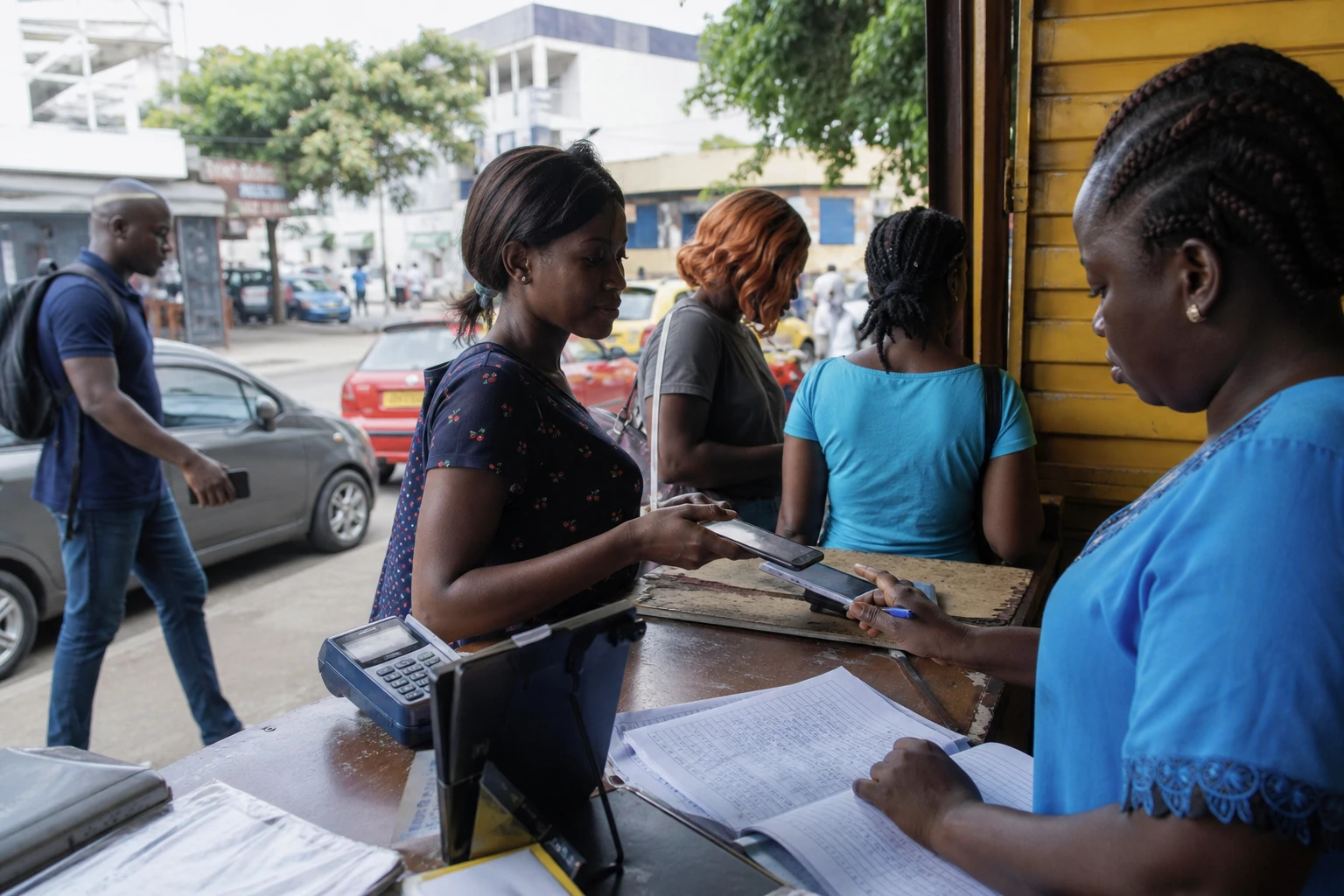
In Libreville, the debate over debt is no longer just about the amount borrowed. It now concerns the share of the budget absorbed by interest, repayments and arrears. For 2027, the Gabonese government is forecasting a sharp increase in debt charges, even as public revenues remain sensitive to oil receipts.
A budget of 6,223.1 billion CFA francs
The Council of Ministers, which met on 18 September 2026 in Port-Gentil, adopted the draft finance law for 2027. The bill provides for a balanced budget of 6,223.1 billion CFA francs, compared with 5,495.2 billion in the 2026 amended finance law. The increase is 727.9 billion CFA francs, or 13.2%.
These figures are forecasts. The draft must still go through the budgetary procedure set out by Gabon’s institutions before final adoption. The government is nevertheless forecasting growth of 4.5% in 2027, after 4% in 2026.
Under the assumptions adopted, non-oil activity would grow by 4.6%. The oil sector would expand by 4.1%. Crude production would reach 11.30 million tonnes, against 10.80 million forecast for 2026. However, the reference price for Gabonese crude would fall from 80 to 70 dollars a barrel.
This assumption encapsulates the budget’s main risk. Higher production could support revenues, but lower prices would limit the state’s room for manoeuvre. Gabon therefore remains exposed to fluctuations in the oil market, despite announced efforts to develop manganese, timber and iron ore.
Debt interest is rising faster than revenues
Debt charges would reach 667.3 billion CFA francs in 2027. They stood at 487.6 billion in the revised projection for 2026. The increase amounts to 179.7 billion CFA francs, or 36.9%.
The amount forecast for interest and other financial charges thus becomes one of the largest items in the general budget, which would stand at 3,647.1 billion CFA francs. By comparison, staff costs are estimated at 963.9 billion and investment at 1,058.4 billion.
The weight of debt is even clearer in cash-flow operations. Treasury and financing charges are estimated at 2,022.4 billion CFA francs. This includes 1,879.5 billion for debt amortisation—that is, repayment of principal—and 142.9 billion to clear arrears.
In total, debt charges, repayments and the clearing of unpaid bills would therefore exceed 2,689 billion CFA francs. This is not a single budget item, but it gives an indication of the pressure debt is placing on public finances.
The detailed figures appear in the official report of the Gabonese Council of Ministers. They are also reported by Gabon24, allowing the main announced figures to be cross-checked.
Revenues are rising, but financing needs remain high
State revenues are projected at 3,291.7 billion CFA francs in 2027. They would rise by 48.3 billion year on year. This increase is limited compared with the overall budget increase and the scale of repayments due.
To balance its accounts, Libreville is planning 2,931.4 billion in treasury and financing resources. This includes 600 billion in budget support, 300 billion in bank debt, 600 billion to be raised on subregional and domestic financial markets, and 1,144.1 billion on the international market.
The plan therefore relies heavily on borrowing. It assumes that investors will continue to finance Gabon on terms compatible with the country’s situation. But the greater the perceived risk, the more the cost of new borrowing can rise.
This constraint directly affects public investment. It would fall to 1,058.4 billion CFA francs, from 1,169.1 billion in the revised projection for 2026. The decline is 110.7 billion for projects financed from budget revenues.
The budgetary choice is therefore a difficult one. The government wants to maintain infrastructure, social services and the local processing of natural resources. But debt servicing reduces the room available for these priorities. The effects vary across sectors: companies reliant on public procurement may face a slowdown, while households remain sensitive to payment delays, public-sector employment and the cost of living.
Debt at the centre of talks with the IMF
The debt trajectory is also weighing on talks between Libreville and the International Monetary Fund. An IMF team visited Gabon from 25 February to 6 March 2026 to review economic developments and public policies. The Gabonese authorities want to agree a new programme of reforms and financing.
The central issue remains the reliability of the figures and the ability to clear accumulated obligations. According to figures cited by several sources, public debt exceeded 8,600 billion CFA francs at the end of October 2025. Arrears stood at about 443.6 billion at the same time. These amounts should be distinguished from the 2027 budget projections.
On 17 June 2026, the government launched an audit of the state’s liabilities due for payment. The exercise aims to clarify the actual debt stock and outstanding obligations. Its findings are intended to provide a basis for talks with the IMF and discussions with lenders.
For the authorities, the audit could strengthen transparency and restore confidence. For creditors, its main purpose is to identify validated debts, disputed claims and a realistic payment schedule. The quality of this work will influence future financing terms.
An issue that extends beyond Gabon’s borders
Gabon does not finance its needs in an isolated market. It also borrows on the government securities market of the Economic and Monetary Community of Central Africa, or CEMAC, which brings together six countries sharing the Central African CFA franc and a common central bank, the BEAC.
Gabon’s financing pressure is therefore unfolding in an already stretched regional environment. In 2026, CEMAC states plan to raise several thousand billion CFA francs on the regional market. A strong Gabonese presence can support its cash position, but it can also intensify competition among states for investors.
The BEAC publishes government securities market statistics, while CEMAC tracks regional issuance and debt trends. These data will be important in assessing the market’s capacity to absorb Gabon’s financing needs.
The next test will have two parts. Libreville will have to secure the adoption of its budget, then show that borrowing is being used to stabilise public finances and fund productive projects. At the same time, talks with the IMF, oil price movements and access to the regional market will help determine whether the announced trajectory is sustainable.