
 Algeria
 Egypt
 Libya
 Morocco
 Sudan
 Tunisia
 Benin
 Burkina Faso
 Cabo Verde
 Côte d'Ivoire
 Ghana
 Guinea
 Guinea-Bissau
 Liberia
 Mali
 Mauritania
 Niger
 Senegal
 Sierra Leone
 The Gambia
 Togo
 Cameroon
 Central African Republic
 Chad
 DR Congo
 Equatorial Guinea
 Gabon
 Republic of the Congo
 São Tomé and Príncipe
 Burundi
 Comoros
 Djibouti
 Eritrea
 Ethiopia
 Kenya
 Madagascar
 Malawi
 Mauritius
 Mozambique
 Rwanda
 Seychelles
 Somalia
 South Sudan
 Tanzania
 Uganda
 Angola
 Botswana
 Eswatini
 Lesotho
 Namibia
 South Africa
 Zambia
 Zimbabwe
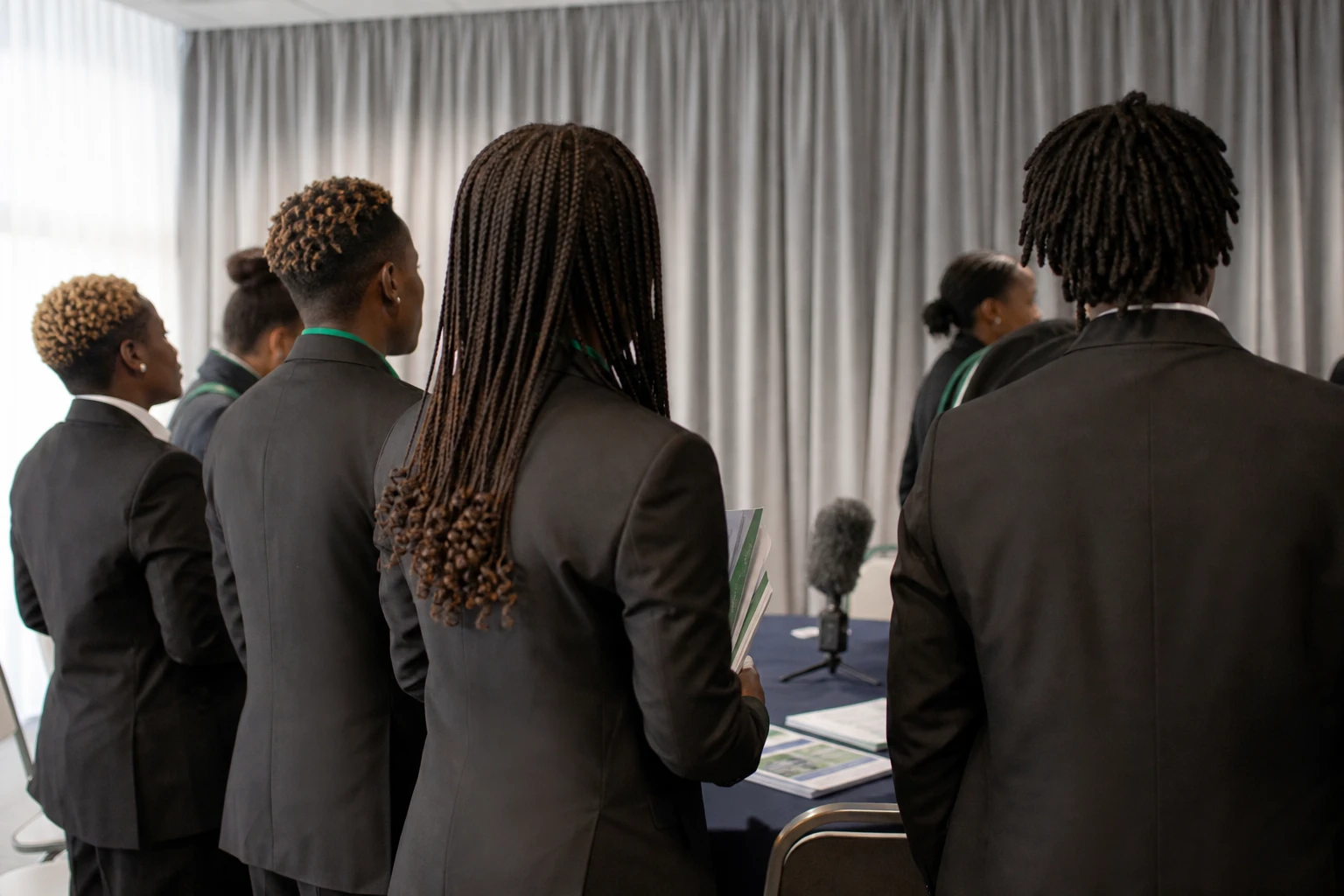
A round-of-16 tie that means more than what happens on the pitch
In Nigerian women’s football, youth teams often provide a bridge between local talent and the global stage. In Łódź this Thursday, 17 September, the Falconets are playing for more than a simple knockout victory: they are still carrying Africa’s presence in a tournament in which the continent has already lost three of its four representatives.
The fixture also carries symbolic significance for a country that remains one of the driving forces behind women’s football in Africa. From Abuja, where the team prepared for the tournament, the U20 side is seeking to extend a tradition of competitiveness and consistency at this level, in a context where developing the next generation matters as much as the immediate result.
Nigeria had to reinvent itself during the group stage
Nigeria’s campaign in Poland did not get off to the best start. The Falconets lost 2-0 to Spain in their opening match, then drew 0-0 with China in a group where every point mattered. They therefore needed a big win over New Caledonia to stay in contention.
The response was emphatic: a 10-1 victory after a match dominated from start to finish. Winner Onajite David scored a hat-trick, while Ramotalahi Kareem, Rebecca Adegbeimile and Tosin Rafiu also found the net. Nigeria finished second in Group F with four points, ahead of China, and secured their place in the round of 16.
That response at least temporarily dispelled the doubts raised by the first two matches. In a short tournament, goal difference can prove decisive. Nigeria has learned that the hard way in other campaigns, and this time the team turned a pressure-filled final matchday into an attacking showcase.
Against England, the details will matter more than the volume of play
England arrive with the same total of four points. The Young Lionesses opened their tournament with a draw against Canada, beat Tanzania 5-1, then lost to Brazil before finishing second in their group. Their qualification therefore rested more on managing the group stage well than on sustained dominance.
England also have a player already making her mark: Rachel Maltby, who has scored four goals and provided one assist since the start of the tournament. In a knockout match, that kind of player can have a major impact, especially if the Nigerian defence leaves space between the lines.
Nigeria, for its part, can draw on an ability to step up the pace at the right moment. That has often been one of the Falconets’ strengths in youth competitions: a solid physical base, a real appetite for duels and attacking spells capable of turning a match. But the challenge against England will be different. They will need to defend deeper, manage transitions and control the periods when they are under pressure more effectively.
A test for Nigeria’s women’s football pathway
Nigeria remains one of the most consistent nations at the U20 Women’s World Cup. CAF notes that the country has made nine appearances in the competition’s history, more than most African teams. It has also reached two finals, in 2010 and 2014. That history matters because it sets a high standard for the current generation.
The match against England says something broader about Nigeria’s place in African women’s football. When the U20 side progresses, it feeds into the senior national team, reassures local coaching staff and reinforces the belief that a talent pool exists. When it goes out early, the questions quickly return: the level of domestic competition, preparation, technical continuity and access to high-level matches.
This reality extends beyond Nigeria. In West Africa, ECOWAS has observed the growth of women’s football for several years, but persistent gaps remain between the best-structured federations and those still short of resources. The Falconets’ campaign is a reminder that qualifying for a World Cup is not just a matter of individual talent. It is also the product of a system, from talent identification through to international exposure.
What this round-of-16 tie could change
For the players, a win would open the door to the quarter-finals and put several names on the international radar. For the Nigerian Football Federation, it would be a positive signal at a time when expectations for women’s football remain high, both nationally and across the continent. For other African teams, it would confirm that a strong run remains possible against well-equipped European opponents.
The schedule now leaves little room for error. The winner of Nigeria-England will advance to a quarter-final scheduled for 20 September in Łódź, in a half of the draw where every detail could affect the rest of the tournament. At this stage, the gap between collective momentum and an early exit is often tiny.
For Nigeria, the task is clear: turn a big win into proof of maturity. For Africa, the stakes are just as clear: extend a presence that, at the outset, seemed possible for more teams. In Poland, the Falconets are playing a football match. But they are also playing for a reputation, continuity and a more visible place for the continent in the global women’s game.



