Algeria
 Egypt
 Libya
 Morocco
 Sudan
 Tunisia
 Benin
 Burkina Faso
 Cabo Verde
 Côte d'Ivoire
 Ghana
 Guinea
 Guinea-Bissau
 Liberia
 Mali
 Mauritania
 Niger
 Nigeria
 Senegal
 Sierra Leone
 The Gambia
 Togo
 Central African Republic
 Chad
 DR Congo
 Equatorial Guinea
 Gabon
 Republic of the Congo
 São Tomé and Príncipe
 Burundi
 Comoros
 Djibouti
 Eritrea
 Ethiopia
 Kenya
 Madagascar
 Malawi
 Mauritius
 Mozambique
 Rwanda
 Seychelles
 Somalia
 South Sudan
 Tanzania
 Uganda
 Angola
 Botswana
 Eswatini
 Lesotho
 Namibia
 South Africa
 Zambia
 Zimbabwe
In Cameroon, a vote that goes beyond the pitch
In African football, alliances are rarely forged on the pitch alone. They also take shape through power dynamics between federations, confederations and global governing bodies, against a backdrop of one simple question: who sets the rules of the game for Africa? Samuel Eto’o’s declared support for Gianni Infantino is part of this power dynamic, going well beyond a personal opinion.
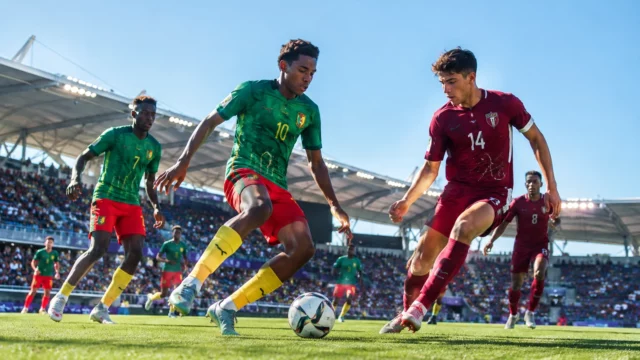
Cameroon, whose capital is Yaoundé, remains a central player in continental football, through FECAFOOT and the symbolic weight of its Indomitable Lions. Samuel Eto’o, elected head of the Cameroonian federation in December 2021, speaks from a position that combines sporting prestige, institutional power and political exposure.
What the African camp is really saying
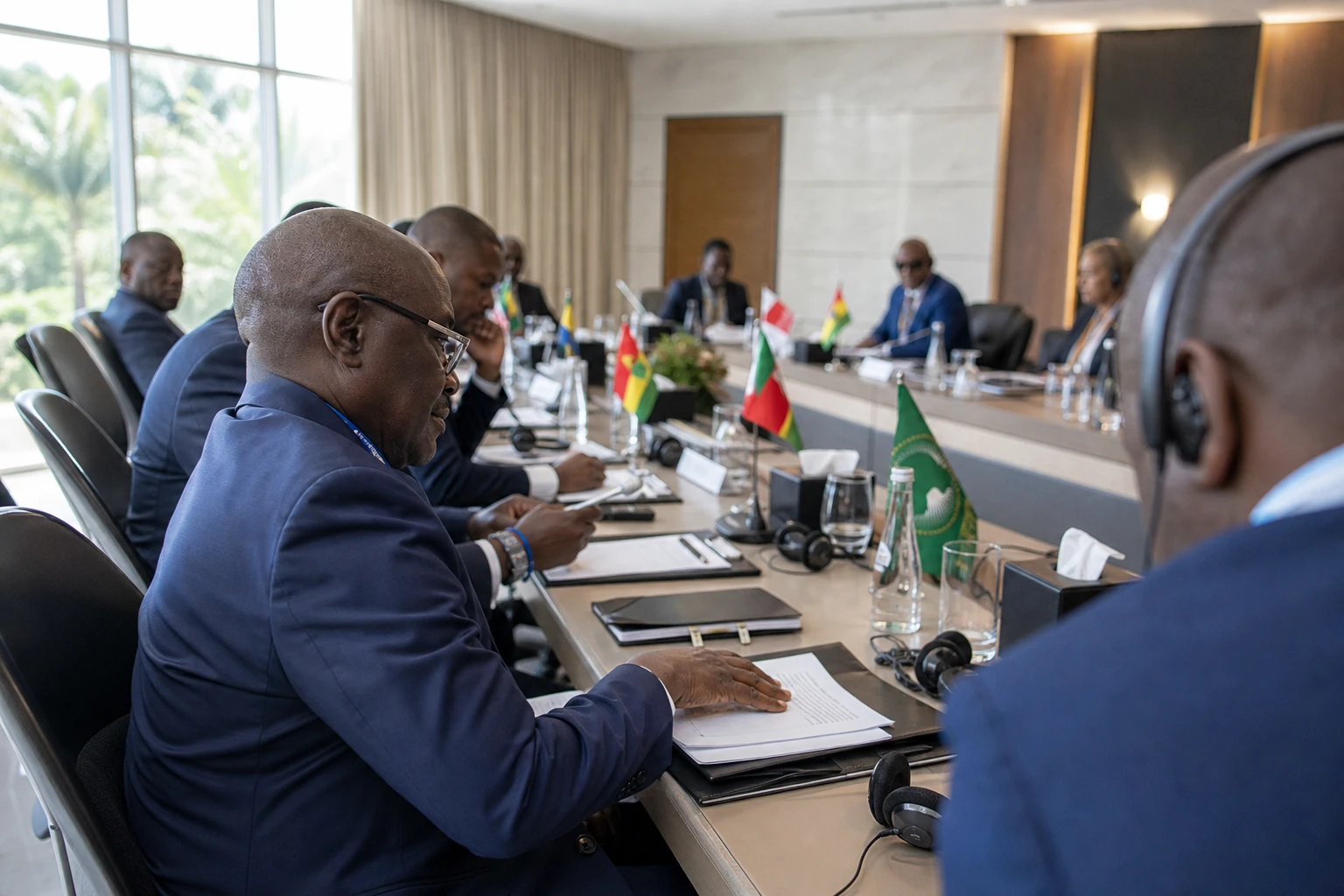
On 29 April 2026, in Vancouver, CAF announced that its member associations unanimously supported Gianni Infantino’s re-election as FIFA president for 2027-2031. A few months earlier, Infantino had confirmed he would seek another term, with a vote scheduled for 18 March 2027 in Rabat, Morocco. In other words, the debate is not theoretical: it is already shaping the balance of power ahead of the next world congress.
In the interview that reignited the controversy, Samuel Eto’o defended an African reading of the issue. His argument is consistent: the continent’s federations do not have the same budgets as their European counterparts, yet they are expected to deliver the same results. This disparity in resources shapes positions and partly explains why a large number of African leaders are backing the FIFA president.
Why African federations are closing ranks
The heart of the argument is financial. Revenues from world football remain heavily concentrated in the global North, where the major markets, broadcasters and best-funded clubs are based. In this context, African leaders are chiefly seeking to preserve room for negotiation over development programmes, youth competitions, aid to federations and the continent’s place in major FIFA reforms.
Eto’o’s support for Infantino is therefore not merely personal. It also says something about African sports diplomacy: many federations prefer a counterpart who promises greater investment and visibility, even when his style irritates Europe. Conversely, criticism from some Western confederations is a reminder that FIFA governance remains contested over transparency, the distribution of wealth and the concentration of power.
Cameroon, between domestic governance and continental influence
In Yaoundé, this position also resonates with recurring tensions around the governance of national football. Since taking over at FECAFOOT, Samuel Eto’o has presented himself as a reformer capable of attracting partners, putting the federation back at the centre and restoring the institution’s autonomy. But his tenure has also been marked by regular friction with the state apparatus and a strong personalisation of the football debate.
On the ground, the stakes are concrete for players, clubs and local leagues. A better-funded federation can support domestic competitions, youth teams and training. Conversely, governance locked into international alliances can distance priorities from those of ordinary participants. This is where the debate takes on a distinctly Cameroonian dimension: the symbolic weight of leaders does not always translate into visible progress for local leagues.
What to watch ahead of the 2027 congress
The next key moment will be the FIFA vote in Rabat on 18 March 2027. Until then, every position will count, particularly within CAF, whose 54 member associations can carry considerable weight in the final result. African support for Infantino appears solid today, but remains vulnerable to criticism over governance, North-South relations and the effective redistribution of resources from world football.
For Cameroon, the episode is a reminder of a lasting reality: football there is never just a sport. It is a space for influence, negotiation and international projection. When Samuel Eto’o speaks to FIFA, he is also speaking, indirectly, about the place Cameroon wants to retain in African football and in the political economy of its major decisions.