Algeria
 Egypt
 Libya
 Morocco
 Sudan
 Tunisia
 Benin
 Burkina Faso
 Cabo Verde
 Côte d'Ivoire
 Ghana
 Guinea
 Guinea-Bissau
 Liberia
 Mali
 Mauritania
 Niger
 Nigeria
 Senegal
 Sierra Leone
 The Gambia
 Togo
 Cameroon
 Central African Republic
 Chad
 DR Congo
 Equatorial Guinea
 Gabon
 Republic of the Congo
 São Tomé and Príncipe
 Burundi
 Comoros
 Djibouti
 Eritrea
 Ethiopia
 Madagascar
 Malawi
 Mauritius
 Mozambique
 Rwanda
 Seychelles
 Somalia
 South Sudan
 Tanzania
 Uganda
 Angola
 Botswana
 Eswatini
 Lesotho
 Namibia
 South Africa
 Zambia
 Zimbabwe
When a disease spreads along transport routes, the risk extends beyond the health map
In Kenya, mpox can no longer be seen as an isolated alert. It is now spreading along major mobility corridors, between ports, urban centres and border posts. In a country where Nairobi concentrates administrative and commercial activity, the speed at which people move matters as much as the capacity to provide care. That is where control of the epidemic is now being decided.
The disease also has a clear regional dimension. Kenya is a member of the East African Community, an area where workers, traders and transporters cross borders every day. In this context, health authorities are talking not only about medical cases, but also about border surveillance, testing and co-ordination with health services in neighbouring countries. The challenge is as much logistical as it is a public health one.
Figures point to an established spread
On 6 September 2026, Kenya’s Ministry of Health reported 1,298 confirmed mpox cases and 19 deaths across 40 of the country’s 47 counties. Data published by Kenyan public media and cited by several African news outlets are consistent on this toll, which shows that the disease has spread well beyond the first clusters detected in 2024.
Mombasa remains the main hotspot, with 452 reported cases, followed by Nairobi, with 320, and then Busia, with 115. This trio says much about the geography of transmission: gateway cities, road hubs and areas with high levels of human traffic. The ministry also reported two new cases in Nairobi and Machakos in its latest situation update, a sign that the disease continues to spread.
The authorities have also identified seven counties considered high-risk, particularly those along the main transport corridors. The most frequently cited are Mombasa, Nairobi, Busia, Makueni, Kiambu, Kilifi and Nakuru. This ranking matters because it guides surveillance, prevention messaging and targeted checks, rather than a uniform response across the country.
Clade Ib confirms regional spread is being closely monitored
The ministry said the virus in circulation belongs to clade Ib, confirmed by genomic sequencing of 257 samples. The World Health Organization says mpox is transmitted through close contact with an infected person, contaminated objects or, more rarely, contact with certain animals. It also notes that clades I and II are the virus’s two main genetic lineages.
This matters for a simple reason: sequencing can show whether transmission is linked to a local chain or to multiple introductions. In East Africa, this information carries weight in shaping the response strategy. It informs contact tracing, case isolation and the allocation of available vaccines to the groups most at risk.
The situation in Kenya is part of a broader continental trend. Africa CDC lifted the continental public health emergency linked to mpox in January 2026, while highlighting progress in regional co-ordination. But lifting a continental alert does not mean the risk has disappeared. Rather, it marks a shift from an emergency phase to one of sustained surveillance.
What this means for households, health workers and the everyday economy
On the ground, the response rests on three measures: public awareness, epidemiological surveillance and testing, including at borders. This is precisely what Kenya’s health authorities have called for. The message is familiar, but its effectiveness depends on public trust and the health system’s ability to detect cases early without overwhelming local facilities.
For households, the requirements are direct: avoid close contact if symptoms develop, seek medical advice promptly and follow isolation guidance. For health workers, the pressure is different. They must treat patients, limit hospital-acquired infections and maintain other health services. Kenya is already managing several parallel emergencies, from measles to surveillance of other emerging diseases, putting human and material resources under strain.
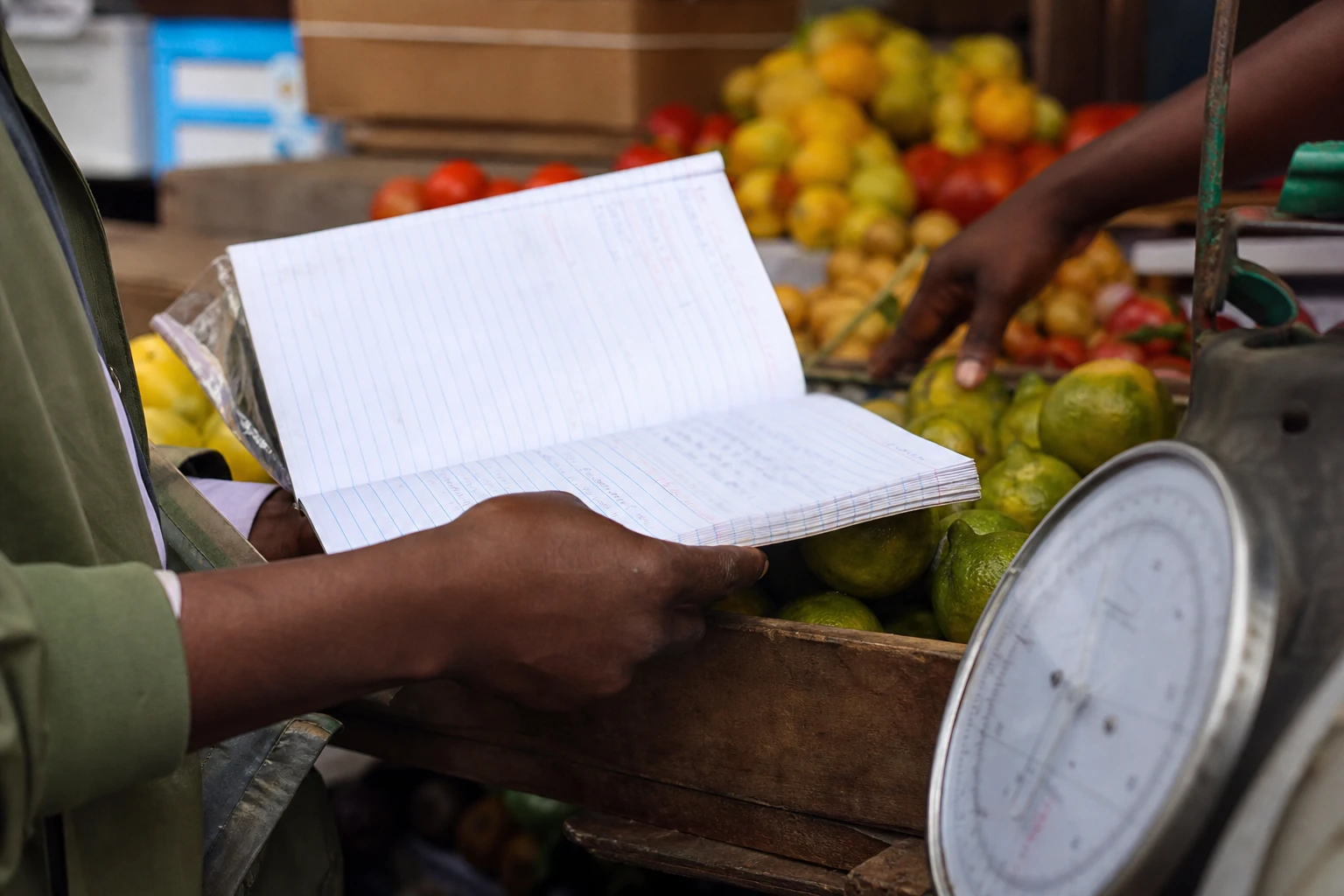
For the informal economy, mpox is a practical concern. A disease spreading along trade routes affects drivers, market sellers, port workers and small businesses. In a country where mobility sustains a large share of the urban and peri-urban population, any control measures must reduce transmission risks without unnecessarily disrupting trade. It is a balancing act, not a simple reflex to close things down.
A test for East African co-ordination
The next phase will depend on Kenya’s ability to maintain a monitoring system over time. Data already published by the ministry show that the disease is no longer confined to a handful of clusters. They also indicate that transmission now affects a large part of the country, requiring counties to work with Nairobi and regional partners.
At continental level, Kenya’s case is a reminder of a familiar but often underestimated lesson: respiratory or contact-transmitted diseases do not stay within administrative boundaries. They follow roads, ports and population movements. For East Africa, mpox is therefore becoming a test of co-ordination between national surveillance, data-sharing and co-operation within the East African Community. The strength of the response in the coming weeks will be measured on this front.