Algeria
 Libya
 Morocco
 Sudan
 Tunisia
 Benin
 Burkina Faso
 Cabo Verde
 Côte d'Ivoire
 Ghana
 Guinea
 Guinea-Bissau
 Liberia
 Mali
 Mauritania
 Niger
 Nigeria
 Senegal
 Sierra Leone
 The Gambia
 Togo
 Cameroon
 Central African Republic
 Chad
 DR Congo
 Equatorial Guinea
 Gabon
 Republic of the Congo
 São Tomé and Príncipe
 Burundi
 Comoros
 Djibouti
 Eritrea
 Ethiopia
 Kenya
 Madagascar
 Malawi
 Mauritius
 Mozambique
 Rwanda
 Seychelles
 Somalia
 South Sudan
 Tanzania
 Uganda
 Angola
 Botswana
 Eswatini
 Lesotho
 Namibia
 South Africa
 Zambia
 Zimbabwe
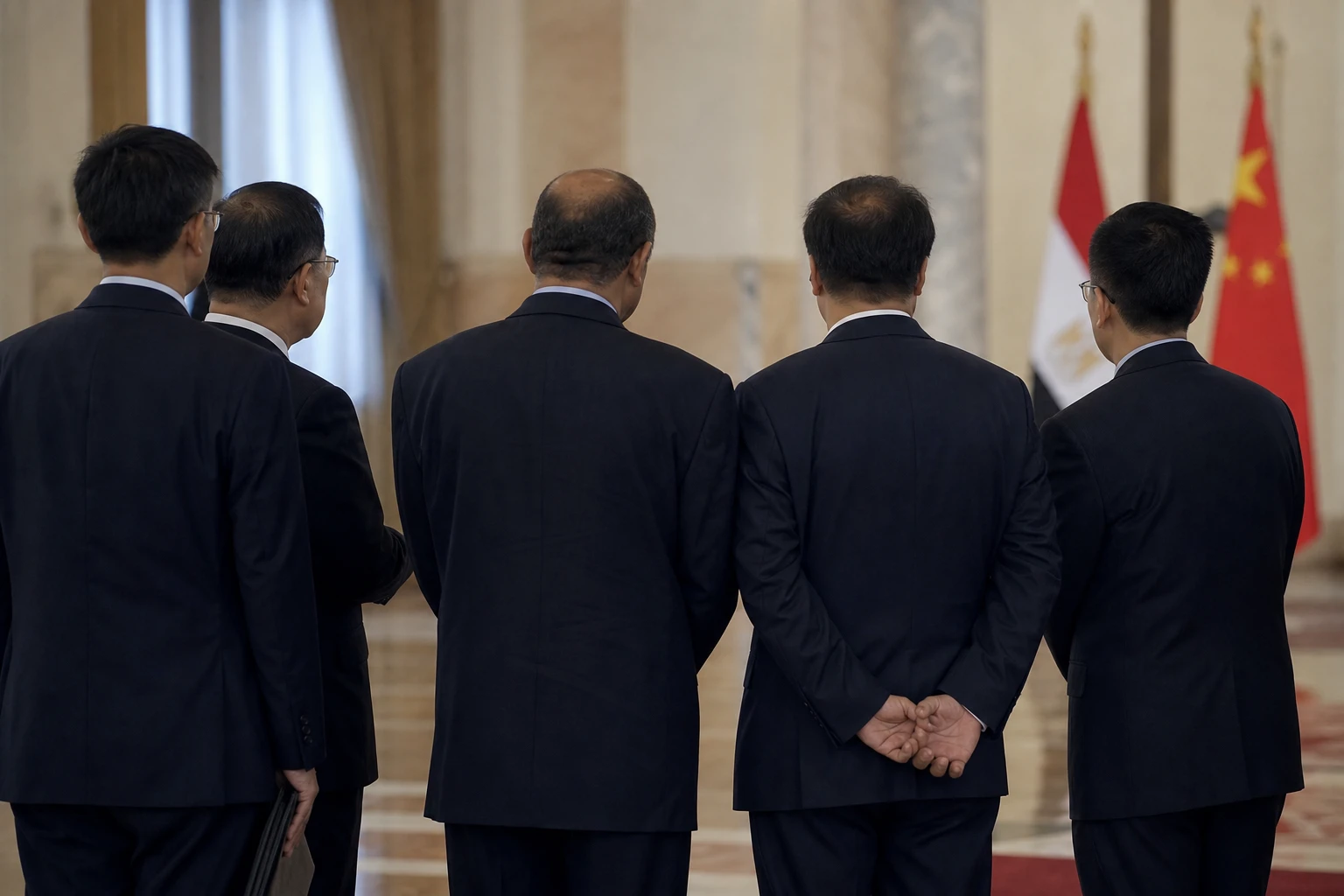
A meeting that went beyond protocol
In Cairo, high-level visits are not just about displaying honours. They also signal where a state wants to expand its room for manoeuvre. For Egypt, the reception of Chinese President Xi Jinping at Al-Ittihadiya fits this logic: keeping channels open to Washington while consolidating a partnership with Beijing that has become central. The two countries recalled that their relations had reached a new level in 2014, with the establishment of their comprehensive strategic partnership.
This visit comes at a sensitive moment for the region. The Middle East remains shaken by the war in Gaza, tensions in the Red Sea and the repercussions of clashes with Iran for maritime security and supply chains. In his talks in Cairo, Xi Jinping advocated diplomatic solutions and opposed “external interference”, language that speaks both to the balance of power in the Middle East and to competition for influence among major powers.
What was agreed in Cairo
Egyptian President Abdel Fattah al-Sisi and Chinese President Xi Jinping issued a joint statement signalling a deepening of their comprehensive strategic partnership. The text emphasises cooperation in trade, investment, industry, digital technologies, artificial intelligence and supply chains. It also confirms the continuation of cooperation linked to the Belt and Road Initiative, to which Egypt has been connected for several years.
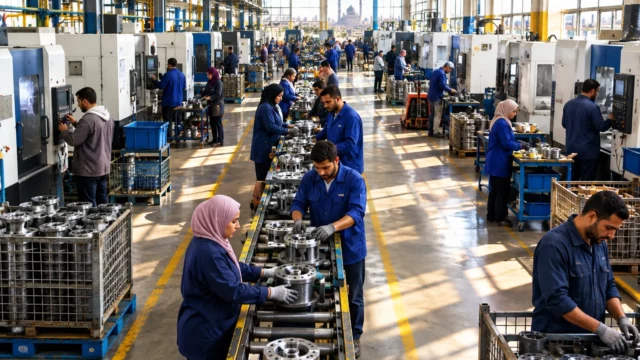
The most visible issue remains the Suez Canal Economic Zone. Egyptian authorities and local business media say the Chinese-Egyptian TEDA industrial zone in Ain Sokhna now hosts more than 200 companies and has attracted more than $4.7bn in cumulative investment, with more than 10,000 direct jobs, according to Chinese figures cited during the visit. Beijing sees it as a production and re-export base serving Africa, the Middle East and Europe.
Trade figures give an indication of the scale of this relationship. In 2026, Egyptian imports from China reached $10.4bn in the first half of the year, up 14.3% year on year, according to CAPMAS data cited by the Egyptian press. Total bilateral trade reached $11.3bn over the same period, according to the same official figures. Egypt therefore remains a major market for Chinese products, as well as an industrial gateway to several regions of the continent.
An economic relationship, but also a security one
Cooperation is not limited to factories and ports. It also extends to the military sphere. Egypt’s Ministry of Defence confirmed in August 2026 the launch of the joint air exercise “Eagles of Civilisation 2026”, involving several multirole aircraft at Egyptian bases. The previous year, the air commands of the two countries had already held exchanges, with discussions on training, joint production and technology transfer.
For Cairo, this cooperation serves several purposes at once. It shows its Western partners that Egypt will not be confined to a single alignment. It also meets a very practical need: securing investment, modernising industry and diversifying suppliers of equipment and technology. In a country of more than 110 million people, where pressure on foreign currency and imports remains intense, every new partner matters.
For Beijing, the stakes are equally clear. Egypt offers a substantial domestic market, a strategic position on the Suez Canal and a gateway to North Africa and, beyond that, the rest of the continent. China is securing outlets, industrial projects and a diplomatic presence in a region where global trade, energy security and regional rivalries intersect.
What this visit says about Africa and the region
The significance of this visit extends beyond the Beijing-Cairo relationship. Egypt is an Arab, African and Mediterranean country all at once. When it strengthens its ties with China, the geography of trade between Asia and Africa is also being reshaped. The Suez Canal, the economic zone around it and the associated infrastructure are not merely national assets: they are continental hubs.
The China-Egypt relationship also illustrates a broader shift in North Africa. Several states in the region are seeking to diversify their economic and industrial alliances without breaking with traditional partners. In this context, China is advancing with a clear set of tools: investment, industrial zones, transfers of expertise, infrastructure contracts and limited but regular military cooperation.
One point remains to be watched: whether these agreements can deliver more than simply an increase in trade flows. If free zones, factories and major construction projects create jobs and revenue, their real value will depend on the role left to local subcontractors, technical training and local content. For Egypt, as for other African countries, this is where the difference will lie between a visible foreign presence and industrialisation that leaves a lasting mark.