Algeria
 Egypt
 Libya
 Morocco
 Sudan
 Tunisia
 Benin
 Burkina Faso
 Cabo Verde
 Côte d'Ivoire
 Ghana
 Guinea
 Guinea-Bissau
 Liberia
 Mali
 Mauritania
 Niger
 Nigeria
 Senegal
 Sierra Leone
 The Gambia
 Cameroon
 Central African Republic
 Chad
 DR Congo
 Equatorial Guinea
 Gabon
 Republic of the Congo
 São Tomé and Príncipe
 Burundi
 Comoros
 Djibouti
 Eritrea
 Ethiopia
 Kenya
 Madagascar
 Malawi
 Mauritius
 Mozambique
 Rwanda
 Seychelles
 Somalia
 South Sudan
 Tanzania
 Uganda
 Angola
 Botswana
 Eswatini
 Lesotho
 Namibia
 South Africa
 Zambia
 Zimbabwe
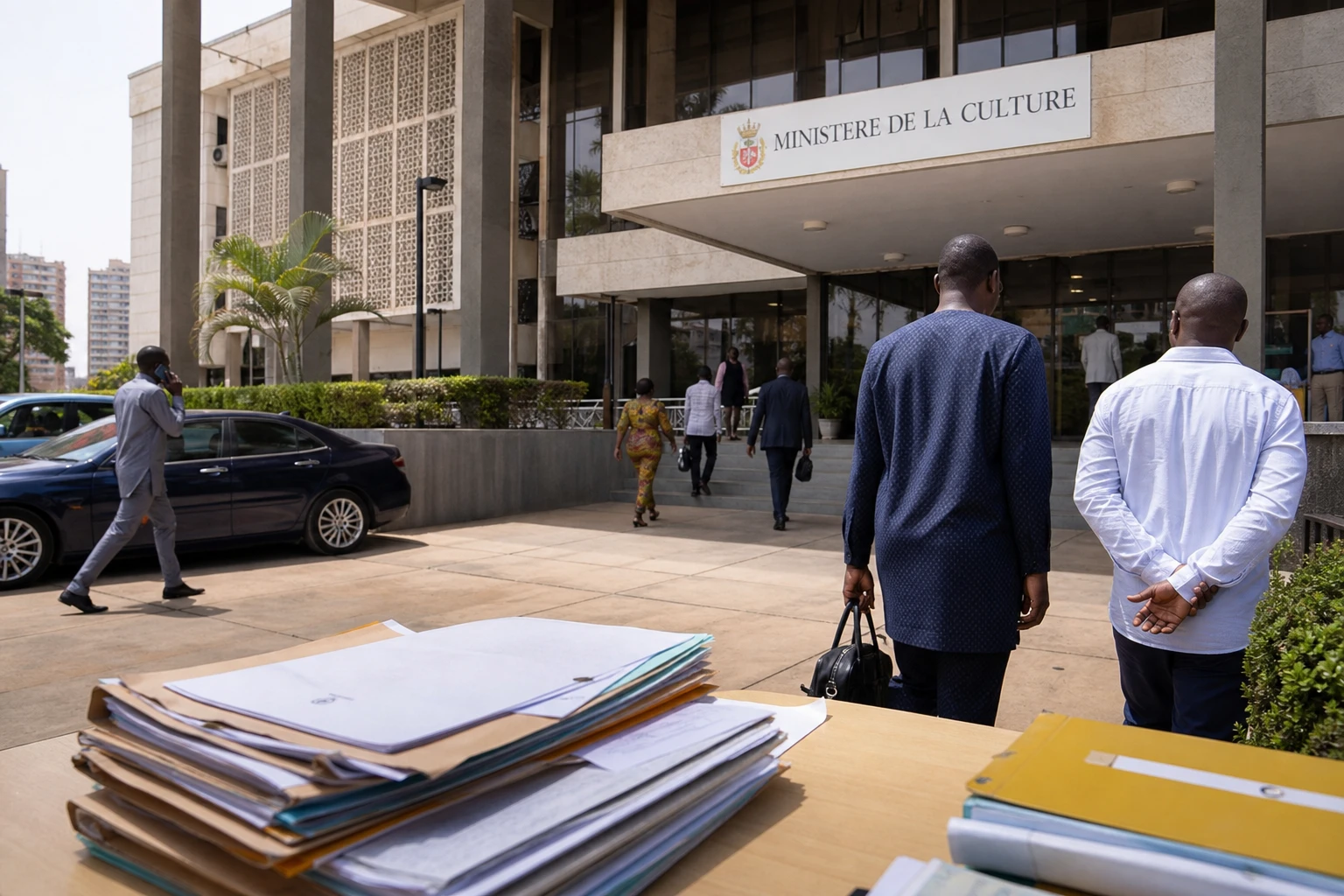
In Lomé, music travels fast. Tracks are released in a few clicks and videos shared within hours, but building a career takes longer. This is where one of the Togolese music scene’s real challenges lies today: turning talent visible on screens into lasting income, better-tracked rights and projects able to travel beyond the country’s borders.
A cultural market seeking structure
The Togolese case goes beyond music alone. The ministry responsible for culture says it wants to strengthen the cultural and creative industries, modernise the regulatory framework, build more studios and improve the distribution of national works. Meanwhile, the law establishing the status of artists has already been the subject of awareness-raising efforts, a sign that a legal foundation exists but still needs to be embraced on the ground.
This momentum is part of a broader trend. UNESCO notes that the digital environment opens up new opportunities for cultural industries while creating challenges around skills, monetisation and regulation. For Togo, this means one simple thing: the challenge is no longer just to produce, but to organise the entire chain, from creation to distribution and then remuneration.
From digital technology to music distribution
Nihtael belongs to a generation of professionals who entered the music business through digital technology. His is the story of a self-taught professional who learned web tools before specialising in digital distribution and supporting Togolese and African artists. Music In Africa describes him as a practitioner of digital distribution, artist development and cultural entrepreneurship.
His work is not limited to uploading a track to a platform. By his own account, it involves preparing a release, building a strategy, overseeing promotion and raising the project’s profile. This approach addresses a well-known weakness in Togo’s cultural sector: distribution exists, but industrial structures remain incomplete. Music In Africa had already noted that Togo’s music industry was still “in its infancy”, despite its many talents and a more active new generation of promoters.
Streaming, visibility and the limits of a small market
The heart of the problem is economic. Nihtael says audiences are still not used to paying a subscription to listen to music online. This reality is not confined to Togo; it also affects several West African markets, where YouTube often remains the main listening platform, even as paid services account for a growing share of global revenue. UNESCO notes that in 2020, 62.1% of global recorded music revenue came from streaming.
For Togolese artists, this changes everything. A work can travel fast but generate little income if audiences do not subscribe, promotional networks are weak and tracking mechanisms remain unclear. In a smaller market, the challenge is not just to be heard in Lomé, but to be discovered in Cotonou, Abidjan, Dakar or Paris without relying solely on personal networks. This is also why the Togolese authorities talk about promoting national songs in the media, opening new studios and extending artists’ international visibility.
What Togo’s experience says about African music
Togo illustrates a broader continental trend: African music is reaching larger audiences, but not all countries benefit in the same way. Major markets such as Nigeria, Ghana and South Africa have more mature infrastructure, networks and ecosystems. Smaller markets often have to make up for this through agility, cooperation and professionalisation.
In this context, digital distribution is becoming a strategic lever for Togo, a West African country and member of ECOWAS. It makes it possible to get around the small size of the domestic market, provided links are built with media outlets, producers, managers, concert organisers and platforms. Togo’s ministry is explicitly talking about better distribution of works, support for tours and a national strategy for the cultural and creative industries. The message is clear: cultural policy is also a matter of public policy and economic sovereignty.
The significance goes beyond Togo’s case. If Lomé succeeds in establishing strong distribution, publishing and promotion structures, the country can play a bigger role in West African and French-speaking circuits. That is precisely what the trajectory of people such as Nihtael suggests: less a story of an exception than a sign of the times, as a generation recognises that African music is no longer won in the studio alone, but also through the architecture of networks, rights and platforms.