Algeria
 Egypt
 Libya
 Morocco
 Sudan
 Tunisia
 Benin
 Burkina Faso
 Cabo Verde
 Côte d'Ivoire
 Ghana
 Guinea
 Guinea-Bissau
 Liberia
 Mali
 Mauritania
 Niger
 Nigeria
 Senegal
 Sierra Leone
 The Gambia
 Togo
 Cameroon
 Central African Republic
 Chad
 DR Congo
 Equatorial Guinea
 Gabon
 Republic of the Congo
 São Tomé and Príncipe
 Burundi
 Comoros
 Djibouti
 Eritrea
 Kenya
 Madagascar
 Malawi
 Mauritius
 Mozambique
 Rwanda
 Seychelles
 Somalia
 South Sudan
 Tanzania
 Uganda
 Angola
 Botswana
 Eswatini
 Lesotho
 Namibia
 South Africa
 Zambia
 Zimbabwe
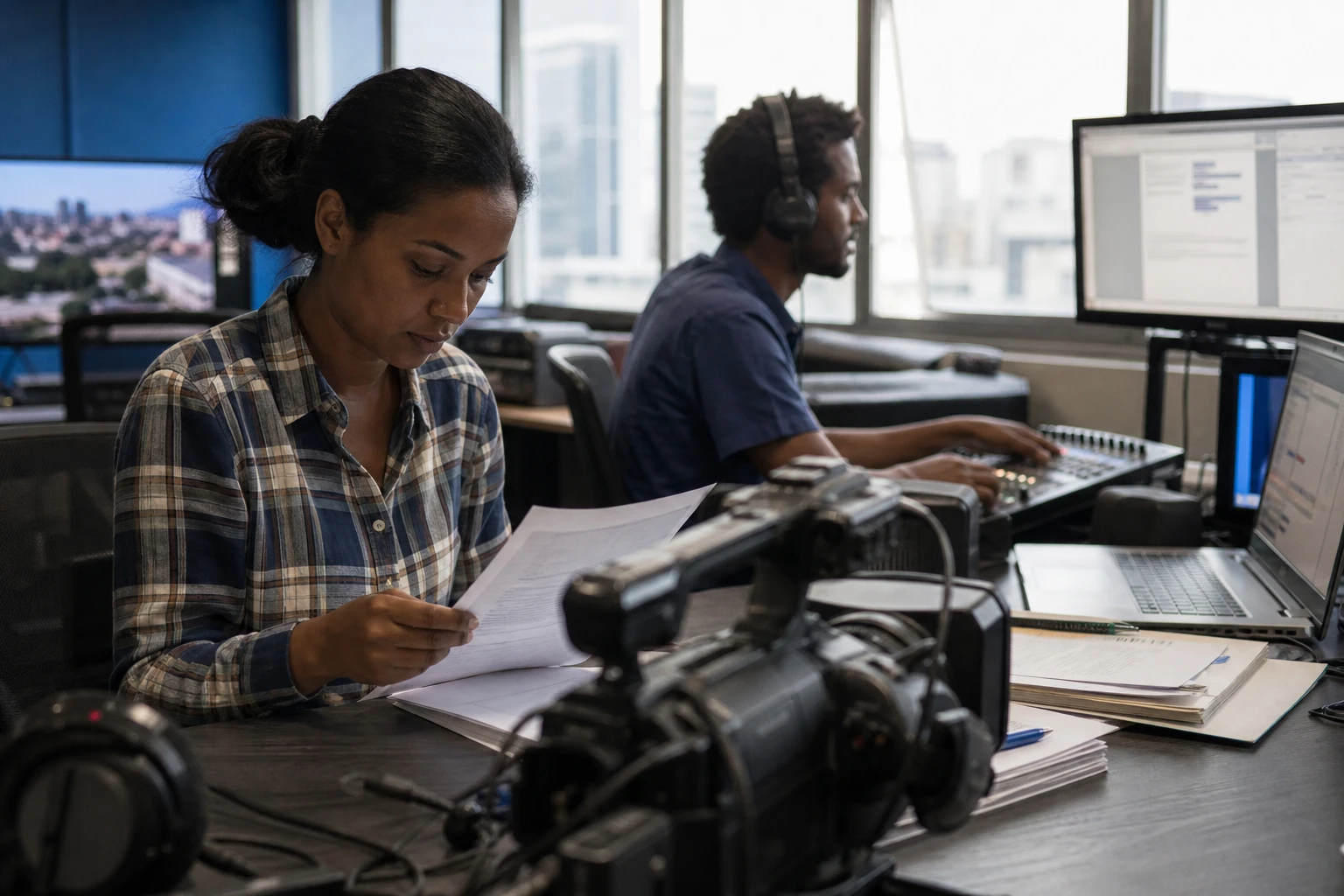
In Addis Ababa, a card can now do more than identify its holder
In Ethiopia, an administrative document is taking on a new role. For thousands of refugees and asylum seekers, it no longer serves only as proof of presence. It is also becoming a key to services that many residents already use every day: education, healthcare, a phone number and even a bank account. In a country where identity often determines mobility and integration, the stakes go beyond mere bureaucracy. They affect people’s everyday lives, here and now.
The issue is part of the Ethiopian state’s digital trajectory. For several years, the country has been expanding Fayda, a national digital identification system for residents. Refugees and asylum seekers are being gradually included through the Refugees and Returnees Service, the public agency responsible for refugees and returnees, with support from the United Nations High Commissioner for Refugees. This development is taking place in a country that remains one of the continent’s largest refugee-hosting nations, with more than one million refugees and asylum seekers recorded at the end of June 2026.
The new system: a more useful identity, but one with conditions
The mechanism is based on a simple principle: refugees and asylum seekers who are already registered can, with their consent, have their biometric and biographical data shared to obtain a Fayda number, followed by a refugee card enhanced with a QR code. The system is voluntary and applies to people aged 5 and over, both in camps and in urban areas. Its stated aim is to make the card more functional and more readily recognised in everyday transactions.
The promised benefits are specific. The document is intended to facilitate opening a bank account, buying a SIM card, accessing healthcare facilities, enrolling in school and, more broadly, completing certain economic formalisation procedures. The system is presented as a way to reduce duplicate records, limit the risk of document fraud and bring refugee cards closer to the administrative standards applied to other lawful foreign residents.
The project did not begin in 2026. The pilot phase was launched in Addis Ababa in March 2024, with the first biometric cards issued to refugees living in the Ethiopian capital. Since then, figures published by UNHCR show progress. In August 2024, 25,394 refugees had given their consent and 9,669 had already received their card. In its 2024 annual report on Ethiopia, the agency said that 35,844 refugees aged 14 and over had received a digital refugee card or proof of registration with a Fayda number, while 897,581 people had been supported in obtaining an identity document or proof of legal status.
What this means for refugees, cities and the formal economy
For those affected, the first impact is administrative, but its effects quickly spill over into the real economy. A clearer card linked to a national identifier can reduce barriers to employment, schooling and healthcare. It can also lessen some people’s dependence on humanitarian aid, particularly among urban refugees seeking to work, travel and build a sustainable livelihood in major cities. In Addis Ababa, home to more than 71,000 refugees and asylum seekers according to data on the UNHCR portal, the issue is especially tangible.
For the Ethiopian state, the gains are twofold. First, the system strengthens traceability and consistency across records. Second, it places asylum policy within a framework of administrative inclusion rather than purely humanitarian management. This approach also resonates with regional and continental institutions. Ethiopia hosts the African Union headquarters in Addis Ababa and is part of the IGAD region, the organisation of the Horn of Africa. In this area, forced displacement is linked to crises in Sudan, South Sudan and Somalia, as well as internal tensions in Ethiopia. A reliable identity therefore becomes a tool for protection, but also for governance.
The other side of the system must also be considered. Digital inclusion alone does not resolve the obstacles of everyday life. A recognised document does not automatically create jobs, eliminate local tensions or guarantee equal access to services when provision remains limited. In areas with high concentrations of refugees, such as Gambela and the eastern regions, access to schools, healthcare and markets also depends on public capacity, funding and security. In other words, the card helps, but it cannot replace infrastructure or social policies.
A wider African trend: digital identity and the right to services
The Ethiopian experience extends beyond its borders. UNHCR is promoting the inclusion of refugees in national digital identity systems across the continent. In 2026, the organisation again made the case for this approach at the ID4Africa gathering in Abidjan, Côte d’Ivoire. The message is clear: when states design robust, interoperable digital identities, they can include displaced populations too, rather than leaving them in parallel registries.
For East Africa, the stakes are particularly high. The region is experiencing intersecting movements of refugees, returnees and internally displaced people. In Ethiopia, questions of documentation therefore touch on protection, economic mobility and social stability alike. If the system continues to expand beyond Addis Ababa, it could provide a useful precedent for other African administrations facing the same challenge: document without excluding, secure without confining, and recognise without discriminating. The real test now will be whether it can be scaled up and whether public services can keep pace.