Algeria
 Egypt
 Libya
 Morocco
 Sudan
 Tunisia
 Benin
 Burkina Faso
 Cabo Verde
 Côte d'Ivoire
 Ghana
 Guinea
 Guinea-Bissau
 Liberia
 Mali
 Mauritania
 Niger
 Nigeria
 Senegal
 Sierra Leone
 The Gambia
 Togo
 Central African Republic
 Chad
 DR Congo
 Equatorial Guinea
 Gabon
 Republic of the Congo
 São Tomé and Príncipe
 Burundi
 Comoros
 Djibouti
 Eritrea
 Ethiopia
 Kenya
 Madagascar
 Malawi
 Mauritius
 Mozambique
 Rwanda
 Seychelles
 Somalia
 South Sudan
 Tanzania
 Uganda
 Angola
 Botswana
 Eswatini
 Lesotho
 Namibia
 South Africa
 Zambia
 Zimbabwe
A triumph that goes beyond the pitch
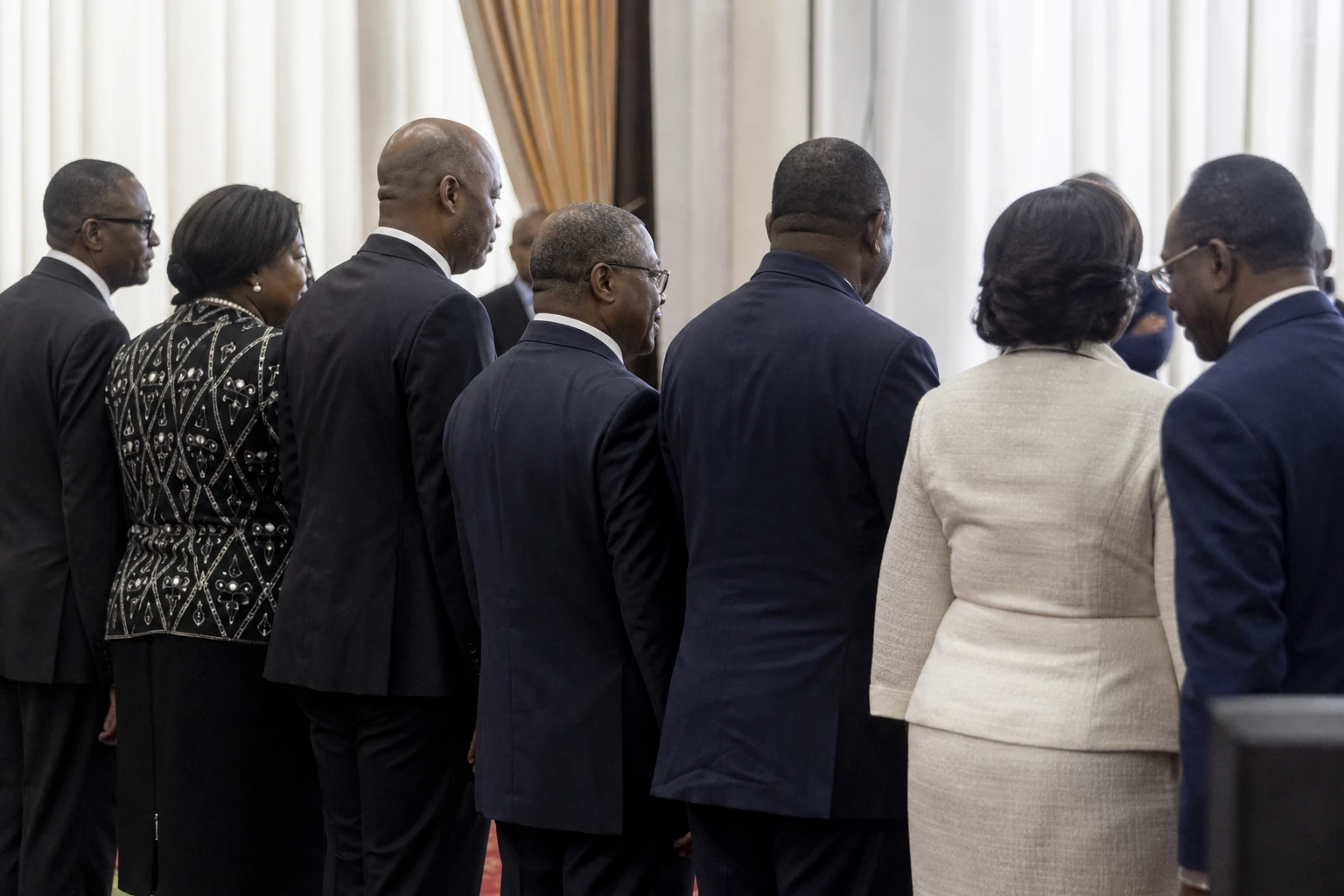
In Yaoundé, a sporting victory did more than add to the honours list. It also offered a rare moment of political and social respite in a country that likes to see its national teams foster a collective mood, at least for one evening. After returning from Morocco, the Indomitable Lionesses were received by Paul Biya at Unity Palace, at the heart of an event closely followed in the Cameroonian capital.
The context matters. Cameroon is part of CEMAC, the Central African economic community, where symbols of national cohesion often carry as much weight as institutional announcements. In a country where football regularly serves as a common language, the reception for the champions took on a significance that went beyond a simple official ceremony.
Decorations, photographs and a political message in Yaoundé
According to the Cameroonian presidency, Paul Biya returned to Cameroon on 20 August 2026 after a private stay in Europe, and the meeting with the Indomitable Lionesses was among the highlights of his resumption of the national agenda. Presidential news was reported on official channels the same day, confirming that the sporting event served as the head of state’s first major public engagement after his return.
The ceremony brought together the champions’ official delegation, led in particular by Samuel Eto’o, as well as members of the government, before individual decorations were awarded. The players received the medal of knight of the Order of Valour, a national distinction recognising a continental achievement. The presidency also published images of a reception at Unity Palace, confirming that the event had taken place.
The trophy itself has historical significance. The Confederation of African Football did list the 2026 women’s edition in its Morocco calendar, with the final in Rabat on 16 August 2026, and its competition content shows that the tournament began on 26 July. The CAF pages devoted to the competition also confirm Cameroon’s participation after a difficult qualifying campaign.
The exact final score, 3-0 against Malawi in Rabat, is reported by official sources and leading Cameroonian media. The victory ends a long wait. Cameroon’s women’s national team had already reached several continental finals without winning the title.
What this victory changes in Cameroon
The political message is clear. By honouring the Lionesses, the authorities are highlighting a consensual success, one capable of bringing people together across divides. But the sporting stakes extend beyond the day’s images. Women’s football in Cameroon still faces questions over its organisation, career support and sustainable funding, even as the national team has shown that it can still compete at the highest African level.
For the players, the reception formalises public recognition. For the federation, it also creates an obligation to deliver results over time. A continental title does not resolve issues with infrastructure, training or the regularity of domestic competitions. It simply shows that the talent pool exists and that Cameroon remains a stronghold of African football, for both men and women.
The ceremony was also viewed through the prism of the president’s return. After an absence that attracted considerable comment, the presidency chose an image of normality, with group photographs, decorations and exchanges with the delegation. In a political system centred on Yaoundé, such an event matters as much for what it shows as for what it leaves unsaid.
A signal for Central Africa and African football
At regional level, the victory is a reminder that Central African national teams remain capable of reaching the top in CAF competitions, despite sometimes uneven cycles. It also reinforces Cameroon’s place in the symbolic economy of African football, at a time when Morocco is hosting an increasing number of continental competitions and CAF is consolidating its women’s calendar.
The continental significance is clear. Women’s football in Africa is gaining visibility, television exposure and sporting intensity. In this landscape, Cameroon’s triumph is a reminder that a title can still be won by a team that has come back from a difficult period, but also that competitiveness now depends on continuity, preparation and investment over several seasons. That is what to watch in the next CAF competition cycle.