Algeria
 Egypt
 Libya
 Morocco
 Sudan
 Tunisia
 Benin
 Burkina Faso
 Cabo Verde
 Côte d'Ivoire
 Ghana
 Guinea
 Guinea-Bissau
 Liberia
 Mali
 Mauritania
 Niger
 Nigeria
 Senegal
 Sierra Leone
 The Gambia
 Togo
 Cameroon
 Central African Republic
 Chad
 DR Congo
 Equatorial Guinea
 Gabon
 Republic of the Congo
 São Tomé and Príncipe
 Burundi
 Comoros
 Djibouti
 Eritrea
 Ethiopia
 Madagascar
 Malawi
 Mauritius
 Mozambique
 Rwanda
 Seychelles
 Somalia
 South Sudan
 Tanzania
 Uganda
 Angola
 Botswana
 Eswatini
 Lesotho
 Namibia
 South Africa
 Zambia
 Zimbabwe
In Nanyuki, the issue is no longer just military
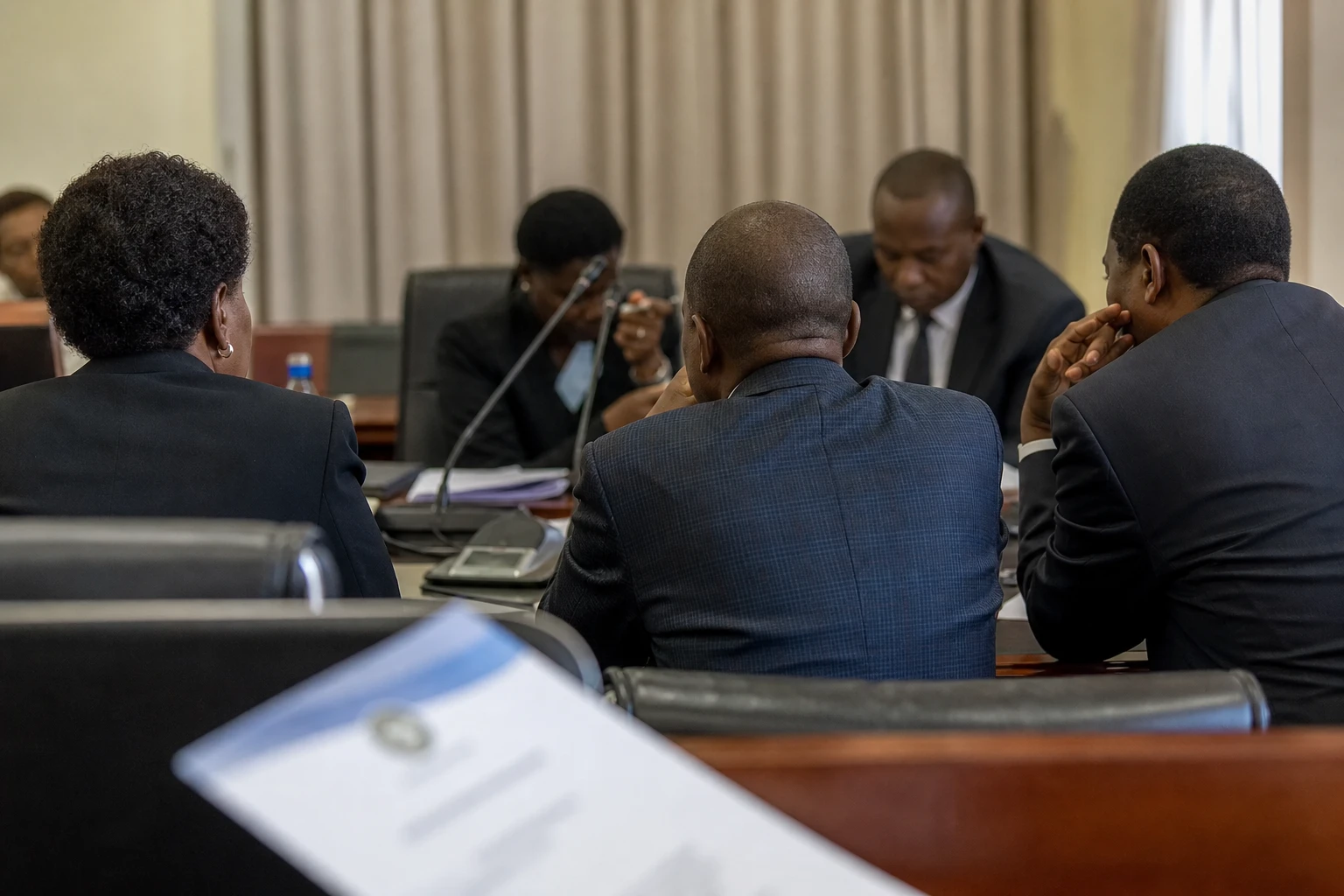
In Nanyuki, in central Kenya, the British presence is about more than infantry exercises. It also involves families seeking answers, communities worried about their land and victims calling for the rules to finally apply to everyone. On Wednesday 12 August 2026, several people who said they had been affected by abuses linked to the British contingent brought their grievances before the Kenyan Parliament, as Nairobi and London prepare a new framework for military cooperation.
The issue goes beyond the bilateral relationship. Kenya remains a strategic base for regional training, particularly in East Africa, where security, borders and peace support operations remain priorities for the East African Community, the EAC. In this context, how a foreign partner responds to local complaints is a test of credibility as well as an issue of sovereignty.
A defence agreement under political scrutiny
The unit at the centre of the issue, the British Army Training Unit Kenya, or BATUK, is described by London as its main military presence in Africa. The camp is based mainly in Nanyuki, about 200 kilometres north of Nairobi, with a small detachment in the Kenyan capital. The contingent comprises around 100 permanent military personnel, another temporary group of about 280 people and more than 500 Kenyan employees.
On paper, the cooperation is long-standing and structured. The defence agreement was signed in 2015, replaced by a new arrangement in July 2021, and then put back under discussion as a new round of negotiations got under way. The Kenyan Parliament has stressed that visiting forces must comply with Kenyan law and that the Assembly retains its oversight powers. The parliamentary committee handling the issue says it wants to hear from more witnesses and officials.
This comes after broader tensions over the British presence. In July 2026, Kenya and the UK announced the resumption of military training after a delay in signing a new pact, a delay widely attributed to Kenyan MPs’ concerns about protecting neighbouring communities. London then said that around 200 British military personnel are permanently based in the country and that more than 1,000 Kenyan soldiers are trained each year.
Victims want redress, not just promises
In Parliament, the grievances centred on one demand: that the next version of the agreement should not leave victims without an effective remedy. Families spoke of children born of relationships with British soldiers and left without support. Others stressed the need for medical, educational and legal assistance. In the victims’ accounts, justice is not abstract: it is measured in school fees, healthcare, official recognition and a process that moves forward.
The case of Agnes Wanjiru remains the most powerful symbol. The young Kenyan woman was killed in Nanyuki in 2012, and her body was found in a septic tank. In 2025, her family met the UK defence secretary, after which the UK ministry said that Kenya’s Director of Public Prosecutions had determined that a British national should stand trial in the case. For the victim’s relatives, each new round of diplomacy renews the same demand: that the search for truth should not be lost in procedures.
The grievances are not limited to this case. The Kenyan Parliament has already examined allegations against BATUK, including those involving sexual violence, accidents caused by unexploded ordnance and environmental impacts. In 2025, the UK ministry itself issued a written statement acknowledging problems and expressing regret over difficulties arising from the military presence in Kenya. An internal inquiry later found that transactional sexual conduct by British personnel had continued despite the ban.
The land, the villages and the balance of power
In central Kenya, the effects are felt in daily life. Communities in Laikipia and neighbouring areas speak of grazing land, water sources and livestock, as well as noise, injuries and a loss of trust. There is a stark contrast between the benefits presented as part of the cooperation — joint exercises, occasional medical care and support for some infrastructure — and the costs borne locally when accountability is disputed or delayed.
A previous case has strengthened complainants’ expectations. In August 2025, the UK agreed to pay £2.9 million to settle a lawsuit linked to the 2021 Lolldaiga fire, which was accidentally started by a British soldier. The case showed that financial compensation could be obtained through the Kenyan courts. But it also revealed the gulf between the symbolic weight of a defence agreement and the difficulty residents face in securing compensation commensurate with the damage suffered.
The Kenyan government, meanwhile, must balance several priorities: preserving a military partnership that is useful for training the armed forces, maintaining diplomatic relations with London and responding to public opinion that is increasingly attentive to judicial sovereignty. By asserting its oversight role, Parliament is signalling that the era of purely executive arrangements is over. In this case, Nairobi is not just negotiating a defence deal; the Kenyan capital is negotiating the place of citizens within it.
A Kenyan issue, but a pan-African warning
The BATUK case matters to Kenya, but it resonates far beyond its borders. Other African countries are renegotiating security agreements with external partners, whether European, American or from elsewhere. The question is no longer just one of aid or training; it also concerns jurisdiction, transparency and avenues of redress for civilians.
Kenya, which is seeking to strengthen its defence capabilities while retaining its political autonomy, stands at the intersection of several regional dynamics. Its position in the EAC, its security relations with neighbouring countries and its role in peace arrangements in East Africa all make one requirement clear: military cooperation can no longer be viewed without a clear accountability mechanism. The next steps to watch are the conclusion of the new agreement, parliamentary scrutiny and how London responds in practice to the victims’ demands.
Ultimately, the Kenyan debate recalls a broader lesson for the continent: a strategic partnership is stronger when it accepts accountability. Without it, military cooperation produces exercises, but also scars.