Algeria
 Egypt
 Libya
 Morocco
 Sudan
 Tunisia
 Benin
 Burkina Faso
 Cabo Verde
 Côte d'Ivoire
 Ghana
 Guinea
 Guinea-Bissau
 Liberia
 Mali
 Mauritania
 Niger
 Nigeria
 Senegal
 Sierra Leone
 The Gambia
 Togo
 Cameroon
 Central African Republic
 Chad
 DR Congo
 Equatorial Guinea
 Gabon
 Republic of the Congo
 São Tomé and Príncipe
 Burundi
 Comoros
 Djibouti
 Eritrea
 Ethiopia
 Kenya
 Madagascar
 Malawi
 Mauritius
 Mozambique
 Rwanda
 Seychelles
 Somalia
 South Sudan
 Tanzania
 Uganda
 Angola
 Botswana
 Eswatini
 Lesotho
 Namibia
 South Africa
 Zambia
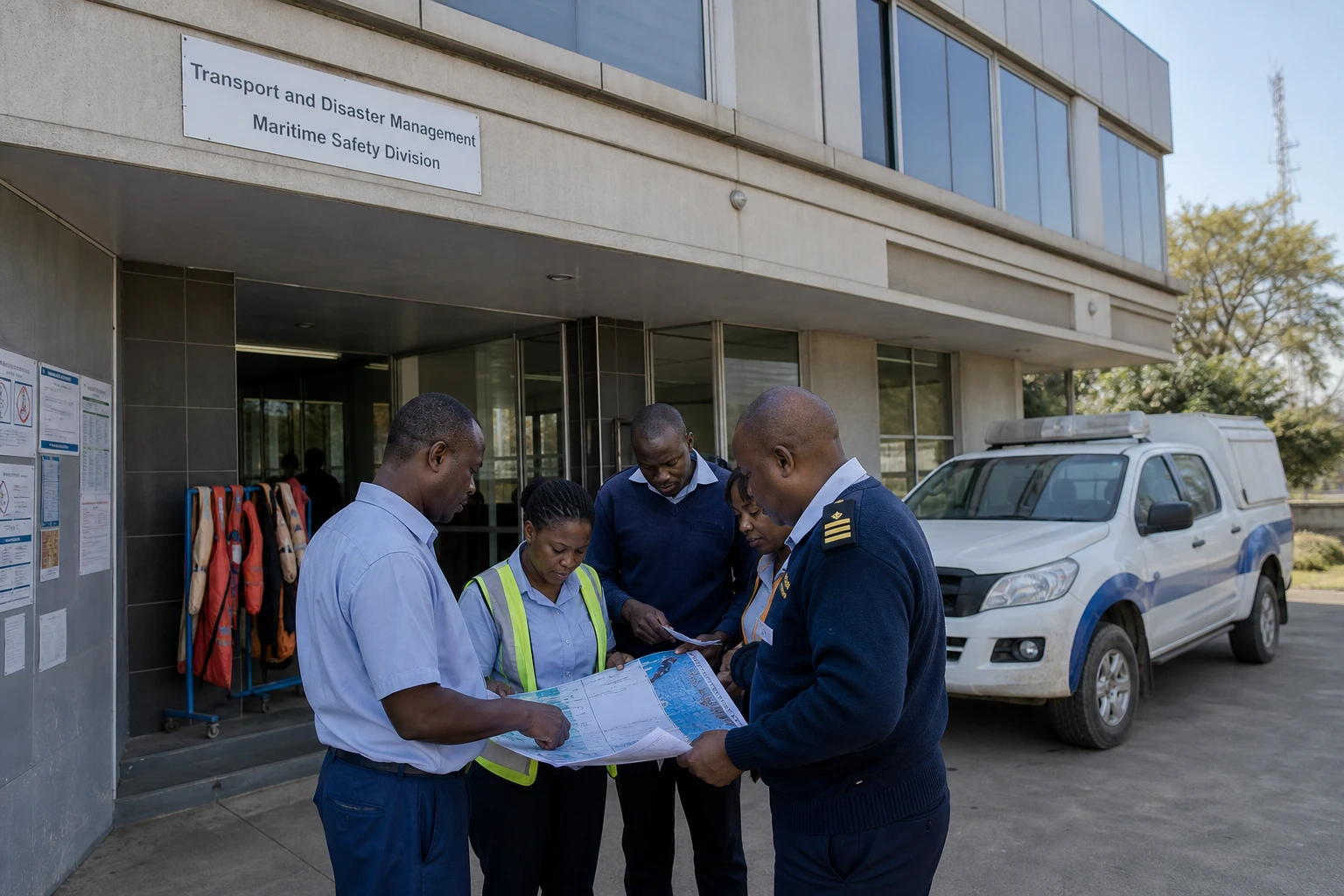
A vital but challenging lake
In northern Zimbabwe, water can be a route for trade, fishing and daily life. But it can quickly become dangerous when boats are overloaded, winds rise and rescuers must search vast expanses that are difficult to cover. The ferry’s capsizing on Lake Kariba is a stark reminder of this very real vulnerability.
Lake Kariba is no ordinary body of water. It lies on the border between Zimbabwe and Zambia, about 300 kilometres from Harare, Zimbabwe’s capital. It is also a major driver of the local economy, supporting fishing, transport and tourism. The Southern African Development Community (SADC) notes that the region depends heavily on its major water systems, including Kariba.
What happened on the water
On Tuesday, a ferry carrying 95 people, including five crew members, capsized on Lake Kariba. Rescuers recovered 15 bodies on Wednesday, while at least 27 people were still missing. Ninety-seven people had been rescued, according to initial reports, but the toll continued to change as operations progressed. The national disaster management agency attributed the accident to high waves and bad weather.
A witness described scenes of panic after a wave struck the vessel and its engines stopped. Nearby boats came to the passengers’ rescue. This sequence matters because it shows that the accident was not merely a maritime incident: it raises questions about the oversight of crossings, the condition of vessels and the ability to respond on a large lake shared by two countries.
The ferry operated between the town of Kariba and several fishing villages. In this area, travelling by water is a necessity, not a convenience. That makes every incident particularly troubling for families who depend on fishing, small-scale trade and links between villages.
What the accident reveals about Zimbabwe
The tragedy highlights a familiar reality in southern Africa: infrastructure on the water is often less visible than roads, but just as vital. In its national development plan, the Zimbabwean government has announced investments to improve safety on inland waterways, including control posts, radio systems, weather stations and patrol boats. In other words, water safety has already been identified as a public-sector priority.
The problem is the gap between ambition and conditions on the ground. Crossings on Lake Kariba remain exposed to sudden changes in the weather. Boats often carry passengers, goods and equipment, sometimes close to their load limits. In such a vast environment, prevention matters as much as rescue. Stricter checks on passenger capacity, the availability of life jackets and better-distributed weather alerts can make the difference between an incident and a disaster. This assessment is consistent with the public plans already announced by Harare.
Lake Kariba also has a wider economic importance. The area supports fishing, an essential sector for many households in southern Africa. SADC stresses the importance of inland fisheries for food and local incomes, particularly in areas where the informal economy plays a major role. When a ferry tragedy strikes, it therefore affects more than passengers. It affects families, supply chains and sometimes entire communities along the shore.
A local tragedy, a regional warning
The sinking extends beyond Zimbabwe, because Lake Kariba is a transboundary body of water shared with Zambia. Its management therefore involves cooperation on shared waters across the region. SADC’s revised Protocol on Shared Watercourses emphasises preventing harm, promptly reporting incidents and co-operation between riparian states. An accident of this kind is a reminder that water safety is not only a municipal or national matter; it is also a matter of regional governance.
The broader context also matters. SADC has recently put disaster resilience back at the centre of its ministerial meetings, with a focus on early-warning systems, resilient transport and regional integration. In this context, Lake Kariba is a practical test: can the region make its waterways, ferries and local links safer without waiting for another tragedy?
For Zimbabwe, the political significance is clear. Every fatal accident on the country’s waters is a reminder that infrastructure investment is not limited to roads, dams or energy. It also concerns the everyday safety of Zimbabweans, in Harare and in rural areas, on roads and on lakes. At Kariba, that reality has just been brought home with particular force.