Algeria
 Egypt
 Libya
 Morocco
 Sudan
 Tunisia
 Benin
 Burkina Faso
 Cabo Verde
 Côte d'Ivoire
 Ghana
 Guinea
 Guinea-Bissau
 Liberia
 Mali
 Mauritania
 Niger
 Nigeria
 Senegal
 Sierra Leone
 The Gambia
 Togo
 Cameroon
 Central African Republic
 Chad
 DR Congo
 Equatorial Guinea
 Gabon
 Republic of the Congo
 São Tomé and Príncipe
 Burundi
 Comoros
 Djibouti
 Eritrea
 Ethiopia
 Kenya
 Madagascar
 Malawi
 Mauritius
 Mozambique
 Rwanda
 Seychelles
 Somalia
 South Sudan
 Tanzania
 Uganda
 Angola
 Botswana
 Eswatini
 Lesotho
 Namibia
 South Africa
 Zimbabwe
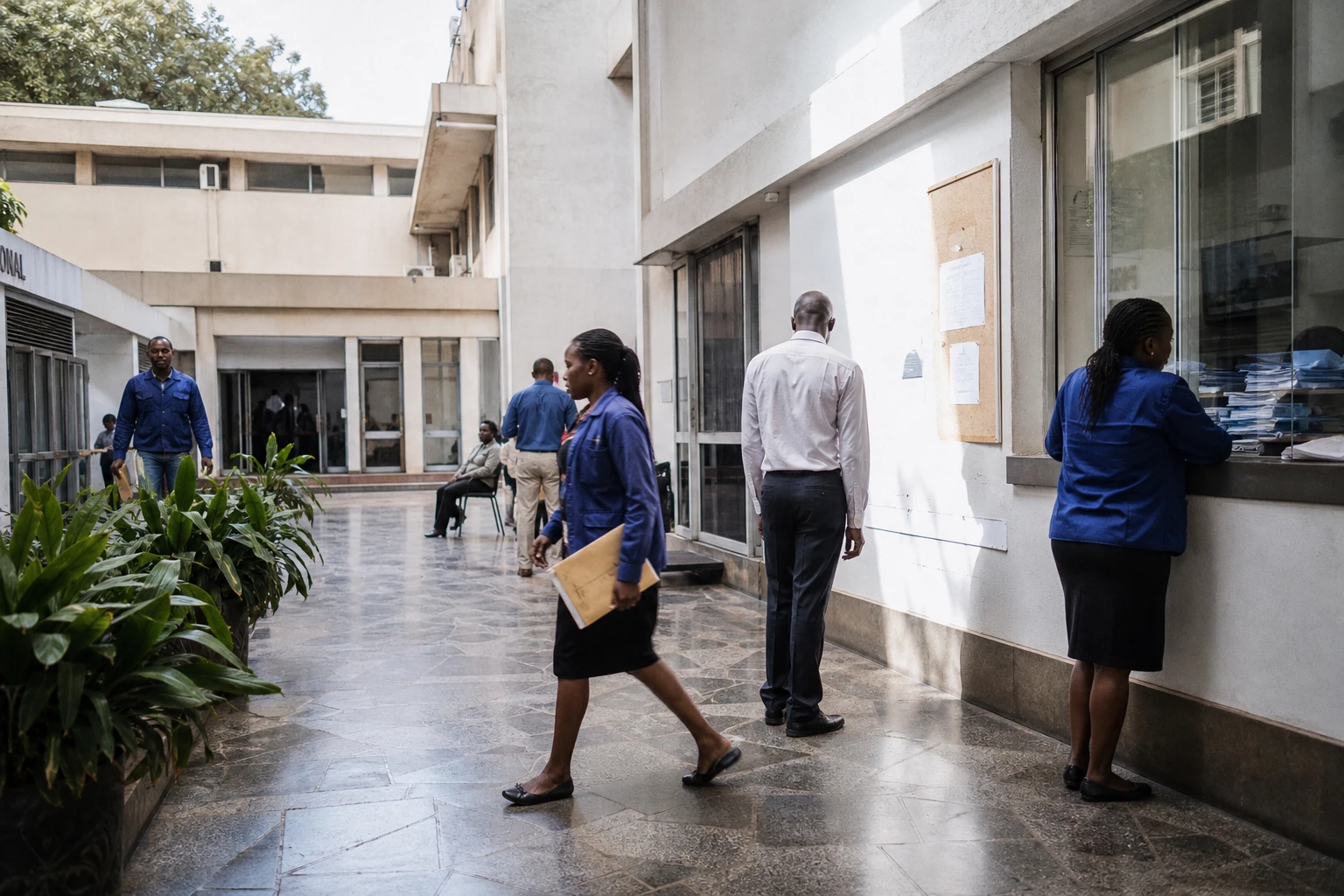
In Lusaka, the campaign is first and foremost about household budgets
Zambia’s 13 August 2026 election is taking place in a climate that is simple to sum up but difficult to win in: voters want to feel in their everyday lives that the economic recovery has reached the markets, transport and basic food basket. In Lusaka, the debate is not only between an incumbent president and his main challenger; it is also a test of the promise of tangible improvements in the cost of living, at a time when the currency, inflation and employment remain central topics of conversation.
The election is being held in a southern African country relying on copper, agriculture and the stabilisation of its public finances to regain momentum. Zambia is emerging from years of debt pressures, has completed a significant part of its restructuring and is still seeking a new agreement with the International Monetary Fund to consolidate its trajectory. In the region, Zambia remains an important signal for SADC, the Southern African Development Community, as it represents a case in which political stability, fiscal discipline and mining growth either advance together or fail together.
Fourteen candidates, but a clear two-horse race
The electoral timetable set by the Electoral Commission of Zambia provides for the first round of the presidential, parliamentary, municipal and county council elections on Thursday 13 August 2026. Fourteen candidates have been approved to run for the presidency, confirming a crowded field, but the contest is dominated by two names: head of state Hakainde Hichilema and opposition politician Brian Mundubile.
The government is emphasising continuity. Hakainde Hichilema, the incumbent seeking a second term after being re-elected, presents his record as that of a country that has emerged from the debt crisis and returned to a more predictable path. His camp points to inflation falling below the upper limit of the Bank of Zambia’s target range in spring 2026, as well as the rebuilding of international reserves. The central bank said in April that inflation stood at 6.8%, within its target range of 6 to 8%. The International Monetary Fund has also noted an improvement in the macroeconomic framework and coverage of about 94% of the scope of the debt restructuring.
But macroeconomic figures do not make the prices people see every day disappear. In Lusaka and the Copperbelt’s mining centres, many voters judge economic policy by the cost of food, fuel and urban transport. Reuters had already described in July a campaign in which the opposition was using the cost of living as a line of attack, while the country benefited from a recovery supported by copper prices and debt restructuring. In this context, Brian Mundubile is seeking less to challenge the overall direction than to persuade voters that households have yet to feel enough of the recovery.
The economic record: a real recovery, but benefits perceived unevenly
Zambia enters this period with better indicators than at the height of the crisis. Inflation had climbed to 11.2% in December 2025, then fell to 9.4% in January 2026, before dropping to 7.1% in March and 6.8% in April. The trend is real. It is partly explained by the appreciation of the kwacha, improved reserves and a return to a degree of fiscal discipline. The country is therefore no longer in a state of absolute emergency. It has entered a phase in which the political challenge is greater: distributing the gains of the recovery.
This transition matters greatly. For the authorities, the priority is to turn stabilisation into jobs, reliable energy supplies and local value added, particularly around copper. The IMF has also stressed that progress in mining value added, the easing of energy constraints and the development of sectors such as agribusiness, tourism and textiles would support domestic activity. For households, the issue is more immediate: a wage that buys more, more affordable food and a less unpredictable electricity bill. In between, informal operators, small traders and urban transport workers often bear the brunt of volatility before anyone else.
The political significance of this election goes well beyond the personal rivalry between two camps. Zambia has served as a testing ground for emerging from an African sovereign default and rebuilding consensus with creditors. If the incumbent majority is returned to power, it will be able to claim continuity in a recovery that remains fragile. If the opposition makes strong gains, the message will be different: macroeconomic stability alone is not enough to secure popular support. Either way, the vote will say something important about a broader trend in southern Africa: voters there are increasingly demanding concrete evidence, not just promises of sound management.
The logistics of the election will also need to be watched. The Electoral Commission has already organised the candidate nomination process, and the country is preparing to vote in a single day, on 13 August, with polling stations closing at 18:00. A well-run election would strengthen Lusaka’s institutional credibility within SADC, where several countries are watching closely to see whether changes of government can take place without prolonged disputes. For Zambia, the challenge is not just to choose a president. It is to show that a recovering economy can also produce political competition that is clear, peaceful and accepted.