Algeria
 Egypt
 Libya
 Morocco
 Sudan
 Tunisia
 Benin
 Burkina Faso
 Cabo Verde
 Côte d'Ivoire
 Ghana
 Guinea
 Guinea-Bissau
 Liberia
 Mali
 Mauritania
 Niger
 Nigeria
 Senegal
 Sierra Leone
 The Gambia
 Togo
 Cameroon
 Central African Republic
 Chad
 DR Congo
 Equatorial Guinea
 Gabon
 Republic of the Congo
 São Tomé and Príncipe
 Burundi
 Comoros
 Djibouti
 Eritrea
 Ethiopia
 Madagascar
 Malawi
 Mauritius
 Mozambique
 Rwanda
 Seychelles
 Somalia
 South Sudan
 Tanzania
 Uganda
 Angola
 Botswana
 Eswatini
 Lesotho
 Namibia
 South Africa
 Zambia
 Zimbabwe

A national symbol under pressure
In Nairobi and across the southern plains, the lion remains a symbol of tourism and ecological strength. But behind the postcard image, the space where Kenya’s big predators live is shrinking. Scientists warn that coexistence with livestock, crops and new human settlements is placing an increasing burden on the country’s lions.
The issue goes beyond wildlife alone. In livestock-raising areas, every attack on livestock imposes a direct cost on households. In protected areas, every lost corridor weakens the movement of species and, with it, part of the local economy linked to safaris, guides and conservation jobs. Kenya therefore faces a familiar East African equation: protecting biodiversity without isolating communities that live alongside wild areas.
Fragmented habitat, rising conflict
Across the African continent, lion numbers have fallen by 43% in two decades, a figure often cited by conservation organisations to illustrate the pressure on the species. In Kenya, available estimates put the population at around 2,500 to 2,600, far from a stable picture. The decline is mainly due to habitat loss, fragmented movement corridors and conflict with livestock farmers.
This fragmentation is not abstract. In the Masai Mara, research has shown that lions avoid areas frequented by livestock, even after the herds have left. In other words, human presence does not merely lead to occasional clashes; it also changes lion behaviour and pushes them into narrower spaces, sometimes closer to homes.
In the south of the country, the Amboseli plains offer a telling example. The park is bordered by land where crops, grazing areas and passage corridors meet. For several years, the Kenya Wildlife Service has described this area as a particularly sensitive human-wildlife conflict zone. Pressure is intensified by population growth, agricultural expansion and the central role of livestock in the pastoral economy.
Poisoning, a brutal response to an unfairly distributed cost
The most serious risk is not only the encroachment of human settlements on habitat. It also lies in retaliation. When wildlife is seen more as a burden than a shared asset, some residents resort to poisons to kill predators. Conservation organisations regularly cite agricultural products diverted from their intended use, including Furadan, to explain this threat.
In 2026, Kenyan authorities also investigated the deaths of 15 elephants in the Amboseli ecosystem, with preliminary tests indicating a possible toxic substance. The case matters for lions too. It shows that an area shared by wildlife, livestock and agriculture can suffer knock-on effects: poison laid to protect a plot can affect several species and destabilise an entire ecosystem.
The Kenya Wildlife Service manages more than 160 protected areas and says it aims to reconcile the preservation of big cats with support for local economies. On the ground, this involves so-called predator-proof fences, rapid-response teams, coexistence committees and education programmes in areas bordering parks. These tools do not solve everything, but they shift the issue from law enforcement alone to the sharing of costs and benefits.
What this means for communities
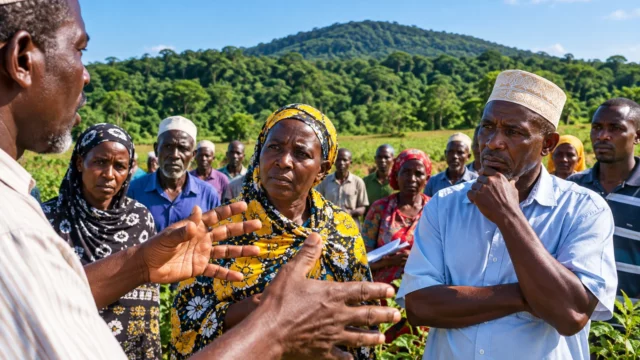
For pastoral households, conservation is credible only if it reduces the financial risk associated with livestock losses. For cities and tourism operators, by contrast, the lion remains a major economic asset. This difference explains a lasting tension: the animal’s national value does not always translate locally into sufficient benefits for those living next to reserves.
Researchers therefore stress one simple point: conservation depends not only on monitoring parks, but also on how local people perceive wildlife. If benefits are distant and losses immediate, poisoning, retaliatory shootings and the destruction of corridors become more likely. Conversely, local jobs, compensation, protective enclosures and access to training can make coexistence more bearable.
World Lion Day, observed on 10 August, gives this debate particular resonance in Kenya. The country is home to some of East Africa’s best-known landscapes, but it also concentrates difficult trade-offs between agriculture, livestock-raising, tourism and wildlife corridors. It is precisely here that part of the lion’s future in Africa will be decided: not in a story of fascination, but in the ability of governments, counties and communities to maintain viable shared spaces.
At regional level, Kenya’s case also speaks to East Africa and the East African Community, where agricultural expansion, infrastructure and cross-border migration corridors are reshaping conservation landscapes. The question is no longer simply how to protect an iconic species. It is about deciding which territories remain genuinely available to wildlife, and at what social cost. That is where the strength of conservation policies across the continent will be measured.