
 Algeria
 Egypt
 Libya
 Morocco
 Sudan
 Tunisia
 Benin
 Burkina Faso
 Cabo Verde
 Côte d'Ivoire
 Ghana
 Guinea
 Guinea-Bissau
 Liberia
 Mali
 Mauritania
 Niger
 Senegal
 Sierra Leone
 The Gambia
 Togo
 Cameroon
 Central African Republic
 Chad
 DR Congo
 Equatorial Guinea
 Gabon
 Republic of the Congo
 São Tomé and Príncipe
 Burundi
 Comoros
 Djibouti
 Eritrea
 Ethiopia
 Kenya
 Madagascar
 Malawi
 Mauritius
 Mozambique
 Rwanda
 Seychelles
 Somalia
 South Sudan
 Tanzania
 Uganda
 Angola
 Botswana
 Eswatini
 Lesotho
 Namibia
 South Africa
 Zambia
 Zimbabwe
In Abuja, bishops’ words carry as much weight as official statements
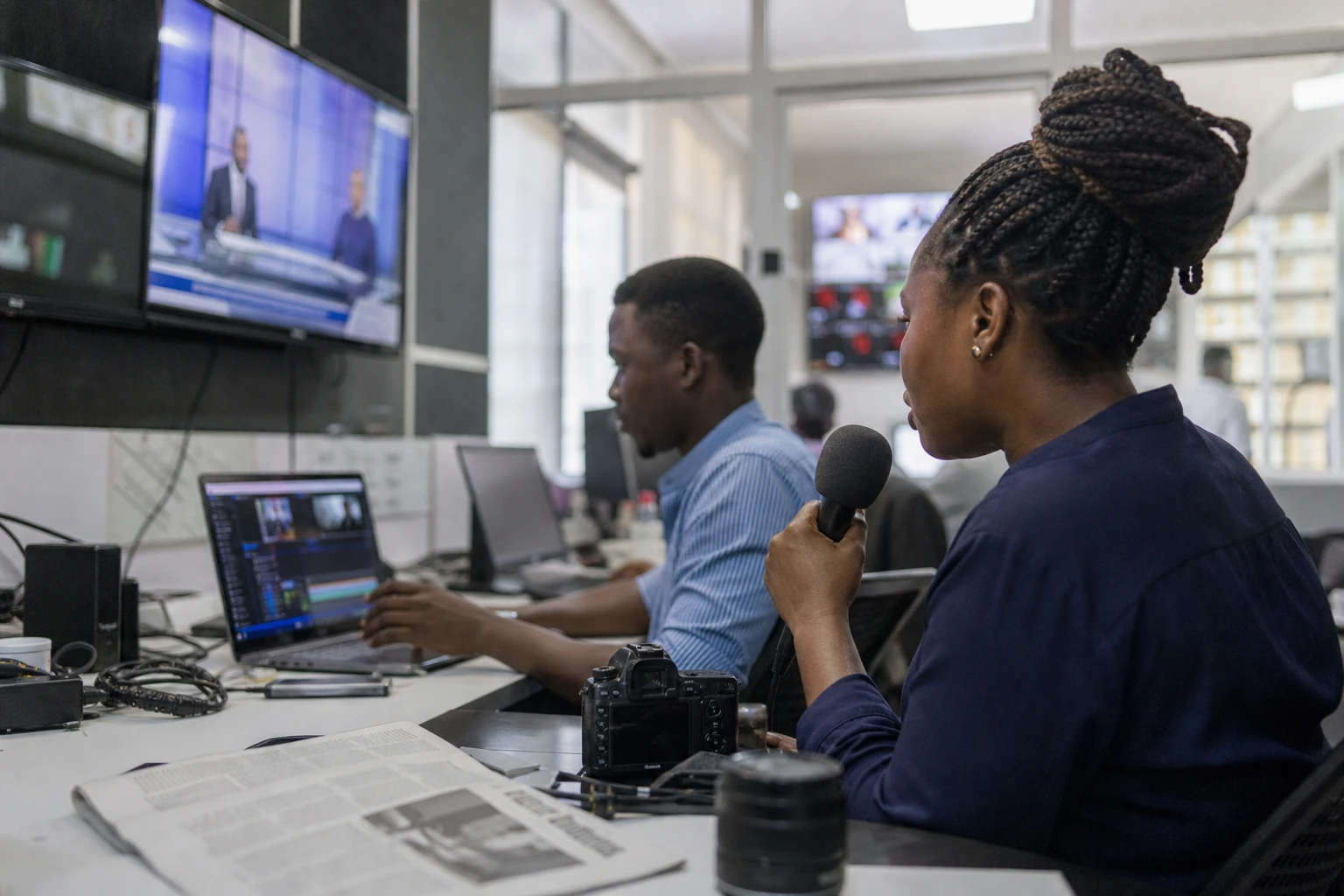
In Nigeria, a brief television appearance can quickly become a test of nerves between the government, the Church and an already tense public. This time in Abuja, Cardinal John Onaiyekan brought back to the centre of the debate what many Nigerians have been saying for months: the economy is squeezing households, security remains fragile and political trust is eroding.
The context matters. Nigeria has entered the 2027 presidential election cycle: in February 2026, the Independent National Electoral Commission published the timetable for the general elections, setting the presidential vote for 20 February 2027. At the same time, political competition is already intensifying, well before the formal start of the major manoeuvres.
In this landscape, religious voices are about more than sermons. They operate in a society where the Catholic and Protestant Churches have extensive networks of schools, hospitals and community contacts that are widely listened to, particularly in areas where the state is seen as distant.
What was said at Aso Rock, and what spilled into public debate
The starting point was a meeting in late July 2026 between President Bola Ahmed Tinubu and a delegation of Catholic dignitaries at the presidential residence, Aso Rock, in Abuja. The delegation included several senior figures, among them cardinals and bishops from the Catholic Bishops’ Conference of Nigeria. The presidency later described the meeting as an exchange on interfaith dialogue and support for peace.
It was Cardinal Onaiyekan’s public account of the meeting that ignited the controversy. In a television interview, the archbishop emeritus of Abuja said the bishops had warned the head of state about the country’s deteriorating economic and security situation, but had not felt that they were heard. He also spoke of their concerns about a political system seen as too tightly controlled and fears of a shift towards a country dominated by a single party.
The response from the president’s circle was immediate and hostile. Political communications officials said it was reprehensible to make public exchanges that were supposed to remain within the bounds of institutional courtesy. Other figures in the ruling party went further, suggesting that the cardinal was siding with the opposition. The response reflects the government’s heightened sensitivity to criticism from highly respected moral figures in the country.
The substance of the message, however, is far from isolated. For several months, Nigeria’s Catholic hierarchy has spoken openly of a country beset by poor governance, poverty and insecurity. In February 2026, the bishops had already said the country’s afflictions stemmed from a poor understanding of politics and a decline in public leadership.
A moral debate that also exposes a governance crisis
The debate therefore goes beyond a dispute over form. It touches on whether Nigeria’s government is willing to accept contradiction from influential social actors. In Nigeria, where religion still largely shapes public life, criticism from a cardinal carries a different weight from a partisan comment. It directly challenges the credibility of the official narrative, particularly when that narrative stresses progress while households continue to bear the brunt of the high cost of living.
On the economic front, the gap between the executive’s account and people’s experience remains evident. The National Bureau of Statistics put annual inflation at 15.91% in 2026 in its July data, following a series of methodological rebasing exercises that sometimes make trends harder to read but have not eased pressure on prices. For urban and rural households alike, rising food and energy costs continue to erode purchasing power.
On security, the government says it is strengthening its response through technological means, greater cooperation with the armed forces and, in the medium term, debate over a more decentralised state police force. But attacks, kidnappings and community tensions remain prevalent enough to fuel criticism from the Churches, lawmakers and parts of the opposition. In this context, Cardinal Onaiyekan is not merely talking about morality: he is pointing to a shortfall in results that many Nigerians feel in their daily lives.
The stand-off also says something about the state of political competition ahead of 2027. When the presidency bristles at an interview, it knows that debates over credibility begin early. Opposition parties are already seeking moral and regional allies capable of broadening their message beyond activist circles. Bishops are not candidates in this arena, but their assessment can shape the campaign climate.
A Nigerian affair, but a signal for West Africa
At regional level, the episode resonates well beyond Abuja. ECOWAS, the West African regional economic community, has for several years been watching institutional fragility grow, along with attempts to undermine democratic rules and tensions between security and civil liberties. In this context, the dispute between Nigeria’s presidency and a senior prelate illustrates a question shared by several capitals in the sub-region: how can political legitimacy be sustained when the state is failing to deliver?
Nigeria remains West Africa’s demographic and economic heavyweight. When Abuja bristles, the signal is read across the sub-region, including in debates on electoral reform, domestic security and the place of moral authorities in public life. The next milestone to watch is clear: the build-up to the 2027 electoral season, with its decisions on the credibility of the vote, election security and the government’s ability to withstand dissent without turning it into a political crisis.



