Algeria
 Egypt
 Libya
 Morocco
 Sudan
 Tunisia
 Benin
 Burkina Faso
 Cabo Verde
 Côte d'Ivoire
 Ghana
 Guinea
 Guinea-Bissau
 Liberia
 Mali
 Mauritania
 Niger
 Senegal
 Sierra Leone
 The Gambia
 Togo
 Cameroon
 Central African Republic
 Chad
 DR Congo
 Equatorial Guinea
 Gabon
 Republic of the Congo
 São Tomé and Príncipe
 Burundi
 Comoros
 Djibouti
 Eritrea
 Ethiopia
 Kenya
 Madagascar
 Malawi
 Mauritius
 Mozambique
 Rwanda
 Seychelles
 Somalia
 South Sudan
 Tanzania
 Uganda
 Angola
 Botswana
 Eswatini
 Lesotho
 Namibia
 South Africa
 Zambia
 Zimbabwe
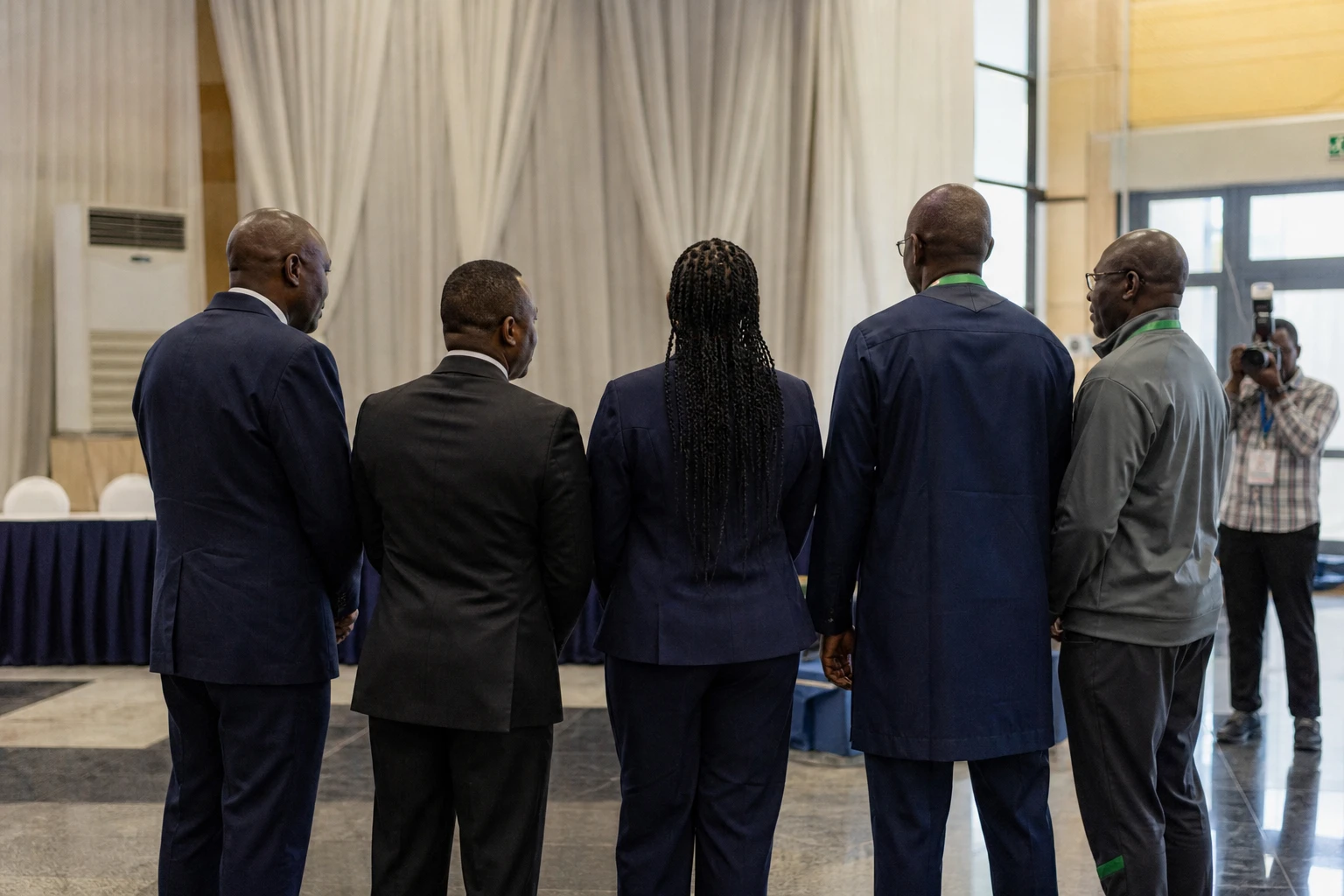
Nigeria, a podium force and showcase for African sport
In Glasgow, the medal table did more than tell the familiar story of the hierarchy among major sporting powers. It also showed that an African country can make a strong impact when its pathways in strength, technique and discipline are well structured. For Nigeria, the final haul confirmed a simple reality: Abuja remains one of the continent’s most visible sporting centres, particularly when weightlifting, para-sport and individual sports are counted together.
The Glasgow 2026 Commonwealth Games brought together 74 nations and territories, nearly 3,000 athletes, 10 sports and 215 medal events. The competition was held from 23 July to 2 August 2026 in a streamlined but still packed format, with a major place given to Olympic disciplines and para-sport. This set-up favoured countries able to turn their strengths into medals quickly.
The sporting story: a result that puts Abuja ahead of other African capitals
In the final standings, Nigeria finished among the continent’s leading teams, with 24 medals, including 10 golds, according to the final count published by the Games organisers. The country rose to seventh in the overall table, behind the Commonwealth’s expected giants. The performance was built first on strength sports, then on track and combat events, where African competitors were more widely spread.
The build-up to this result began early. On the first day, Nigeria was already leading the provisional standings thanks to a double in para-weightlifting and another podium finish in the same discipline. Games sources subsequently showed steady progress, with titles in weightlifting and para-powerlifting, making the country one of the defining presences of the first week.
The contrast with other African nations is clear. South Africa finished with a higher overall medal count, but fewer titles than Nigeria, while Kenya shone mainly in track and endurance events. Cameroon, Mauritius, Gabon, The Gambia and Rwanda also made their mark, each with symbolic breakthroughs or first podium finishes. The distribution shows a diverse sporting Africa, capable of winning in very different niches.
What this says about Nigerian sport
Nigeria does not win through individual flashes alone. It capitalises on disciplines in which federations’ coaching structures, the memory of past performances and international experience play a decisive role. Commonwealth Sport also notes that the country has won medals at every edition in which it has competed, with Victoria 1994 its best result to date, at 37 podium finishes. Glasgow 2026 therefore confirms continuity rather than an isolated success.
This continuity has political and social significance. In a country where expectations around football often absorb all the attention, track and field, women’s sports and Paralympic disciplines offer Nigeria another story of achievement. They also bring the spotlight to athletes whose visibility remains too limited between major competitions. In Glasgow, the titles gave prominence to names familiar to specialists but still little known to the wider public.
Para-sport, in particular, remains central to Nigeria’s equation. The first titles came there, and that is where Nigeria set the pace. This says much about a reality that is often underestimated: when a country structures its support around a few strong pathways, disability is not a ceiling on sporting achievement but a field for high performance. Glasgow’s success also shows that the Commonwealth Games still give African athletes a platform that receives less coverage in other media circuits.
An African reading of the medal table
For Africa, Glasgow 2026 is about more than Nigeria’s placing. Thirteen countries from the continent won at least one medal, pointing to a broader sporting base than the traditional hubs alone. This spread matters. It shows that investment, even on a modest scale, produces results when it is targeted at the right disciplines, weight categories and competition formats.
Cameroon’s case is striking. Emmanuel Eseme won gold in the 100 metres in 9.83 seconds, in the Scottish rain, setting a Games record in the process. The time carries great symbolic weight: it is a reminder that African sprinters can still turn a fiercely contested final into a continental moment. For federations, this kind of result matters as much as a podium finish for confidence, recruitment and reputation.
Rwanda also reached an important milestone with its first-ever Commonwealth Games medal, while Gabon made a successful debut in the competition after joining the Commonwealth in 2022. These first steps matter as much as the doubles won by established powers. They are a reminder that, within the Commonwealth, sport remains a platform for diplomatic visibility as well as a means for African states seeking to expand their international presence to assert themselves.
What to watch after Glasgow
The next stage will play out away from the podiums, in budget decisions and preparations for upcoming major events. For Nigeria, the question is not simply how many titles were won in Glasgow. It is whether this momentum can be turned into a system: talent identification, coaching, preparatory competitions, sports medicine and continuity between youth, elite and para-athlete categories.
Across Africa, the signal is clear. The Commonwealth Games remain a useful testing ground for measuring the continent’s ability to turn talent into international results. With Nigeria leading the African charge, South Africa retaining remarkable depth, Kenya remaining formidable on the track, and countries making their mark for the first time, Glasgow 2026 offers a more nuanced picture of African sport than the usual clichés. The next event will show whether this progress takes hold or proves to have been only a brief peak in form.