Algeria
 Egypt
 Libya
 Morocco
 Sudan
 Tunisia
 Benin
 Burkina Faso
 Cabo Verde
 Côte d'Ivoire
 Ghana
 Guinea
 Guinea-Bissau
 Liberia
 Mali
 Mauritania
 Niger
 Nigeria
 Senegal
 Sierra Leone
 Togo
 Cameroon
 Central African Republic
 Chad
 DR Congo
 Equatorial Guinea
 Gabon
 Republic of the Congo
 São Tomé and Príncipe
 Burundi
 Comoros
 Djibouti
 Eritrea
 Ethiopia
 Kenya
 Madagascar
 Malawi
 Mauritius
 Mozambique
 Rwanda
 Seychelles
 Somalia
 South Sudan
 Tanzania
 Uganda
 Angola
 Botswana
 Eswatini
 Lesotho
 Namibia
 South Africa
 Zambia
 Zimbabwe
When livestock farming becomes a matter of food sovereignty
In The Gambia, a factory, a livestock operation and a credit line can carry far greater significance than a simple financial arrangement. They point to a broader question: the ability of a small West African coastal state, with its capital in Banjul, to reduce its dependence on food imports and stabilise domestic prices. It is against this backdrop that $10.04m in financing is set to support the expansion of G Farms Limited, an operator already active in the poultry and dairy sectors.
The issue is strategic. The Gambia imports a significant share of what it consumes, particularly rice, and access to food remains vulnerable to price and exchange-rate shocks. The FAO also notes that Gambian agriculture continues to be held back by inadequate infrastructure, limited access to credit and the effects of climate change. At the same time, ECOWAS has recently put food security back at the centre of its regional priorities, during discussions and exchanges on the impact of international tensions on fertiliser and supply chains.
Financing as part of a regional push
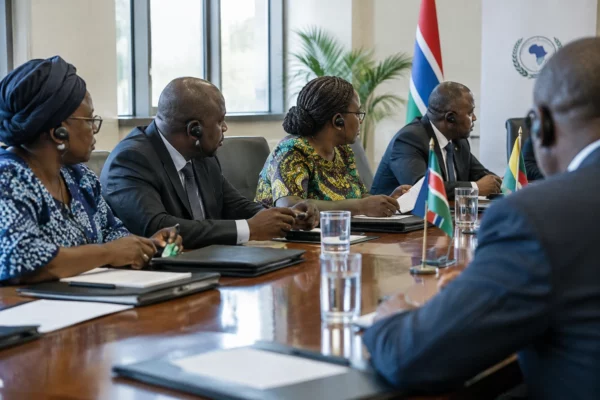
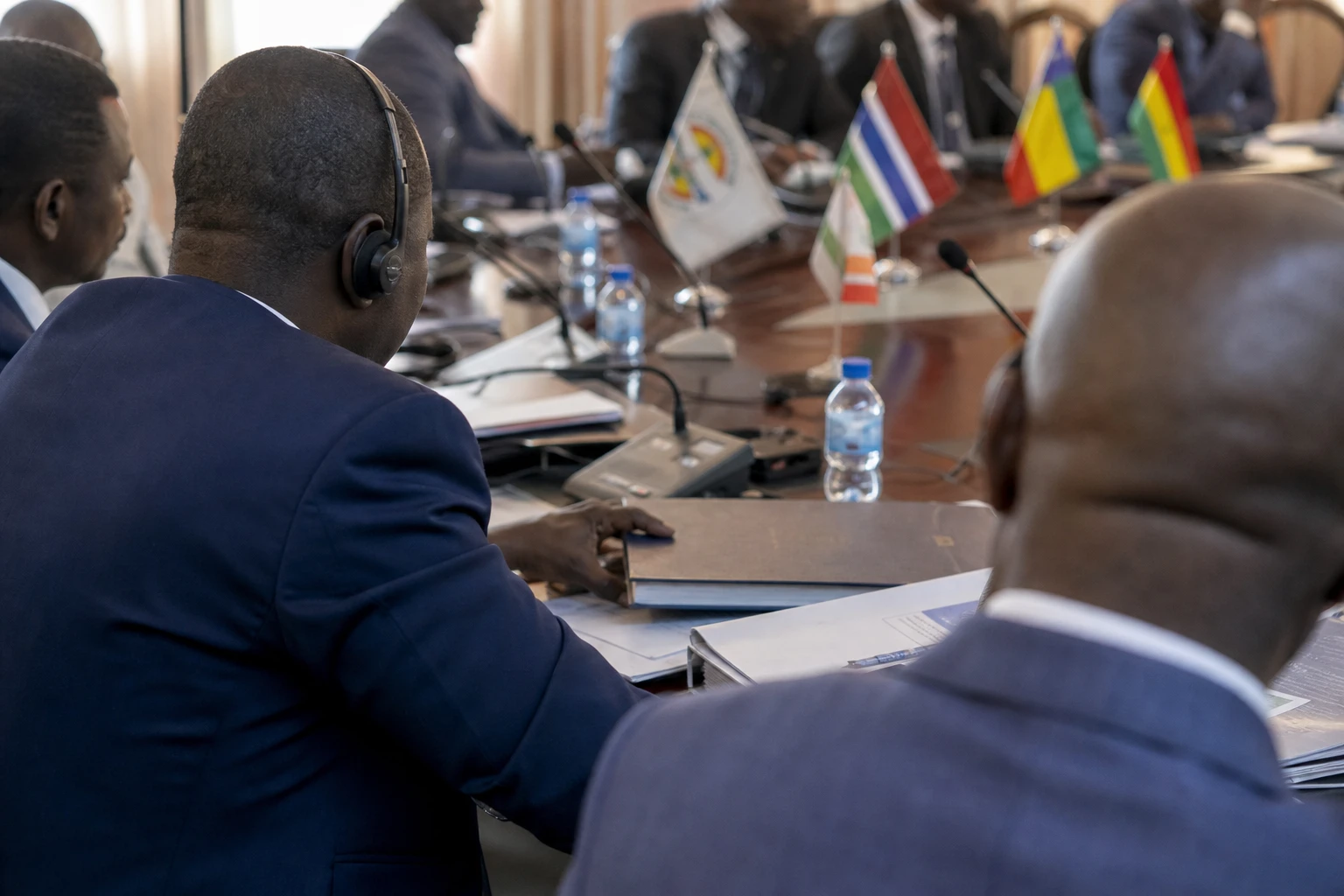
On 30 March 2026, the ECOWAS Bank for Investment and Development approved a portfolio of projects worth $266.7m and CFA30bn across several member states, including The Gambia. Among these commitments is a $10.04m expansion of G Farms Ltd’s operations. The West African bank presented the investments as a means of strengthening value chains, creating jobs and supporting more resilient growth across ECOWAS.
The timing matters. ECOWAS, the Economic Community of West African States, is the regional integration bloc to which The Gambia belongs. Its economic agenda is directly linked to the movement of goods, private financing and food security. The BIDC, the organisation’s financial arm, is seeking to direct more capital towards agribusiness, infrastructure and SMEs. In an environment where food prices remain under pressure, these choices are far from symbolic.
What G Farms Limited plans
The project focuses first on poultry. Announced capacity increases are set to take the number of laying hens from 120,000 to 500,000. Broiler production is expected to rise from 651,146 to more than 3.2 million birds, while day-old chicks are projected to increase from 3.3 million to 5.5 million by 2035. The dairy component is also significant: the cattle herd is to grow from 110 to 2,500 head, while animal-feed capacity will rise to 10 tonnes an hour.
In the short term, the aim is clear: produce more locally, limit imports of animal products and better meet local demand. In the medium term, this kind of investment could also create market opportunities for livestock farmers, transporters, animal-feed distributors and small traders. In a country where services still dominate the economy, agriculture nonetheless retains a major social role, particularly for rural incomes and the availability of animal protein.
Jobs, the domestic market and structural constraints
The challenge is not simply to increase volumes. It is also to build a more consistent, predictable value chain that is less dependent on external shocks. The FAO notes that The Gambia remains exposed to food insecurity, with rural households particularly vulnerable and recurrent lean seasons. The UN agency also estimates that food prices are strongly influenced by the import bill and the dalasi exchange rate.
The BIDC financing could therefore have a dual effect. For the company, it enables a step change in scale. For the national economy, it could help reduce some foreign-exchange outflows. But the impact will depend on several very practical factors: access to energy, logistics costs, the quality of inputs, animal health and the ability to sell output at competitive prices. Without these links, the investment risks delivering less than announced.
The social dimension matters too. Urban households, often more exposed to price rises, are looking for more affordable products. Rural producers, meanwhile, hope for more stable market opportunities and better integration into value chains. If the project delivers on its promises, it could support food supplies, local jobs and part of domestic consumption. The BIDC presents this type of operation as a tool for inclusive growth under its strategy known as GRO, for growth, resilience and optimisation.
What this deal says about The Gambia and West Africa
Ultimately, the agreement involving G Farms goes beyond a single company. It illustrates a broader trend in West Africa: agribusiness is returning to the centre of public policy and development finance. The regional climate, marked by volatile global prices and pressure on agricultural inputs, is prompting governments and their development banks to prioritise projects that reduce the most costly dependencies.
For The Gambia, the next stage will be defined less by the signing than by delivery. The country is emerging from a period of sustained growth, but food inflation and fiscal vulnerabilities remain under scrutiny, according to the IMF. If the investment results in regular production, lasting jobs and more abundant supply, it could become a useful model for other agribusiness initiatives in the sub-region. Otherwise, it will remain a promising but isolated commitment.