Algeria
 Egypt
 Libya
 Morocco
 Sudan
 Tunisia
 Benin
 Burkina Faso
 Cabo Verde
 Côte d'Ivoire
 Ghana
 Guinea
 Guinea-Bissau
 Liberia
 Mali
 Mauritania
 Niger
 Nigeria
 Senegal
 Sierra Leone
 The Gambia
 Togo
 Cameroon
 Central African Republic
 Chad
 DR Congo
 Equatorial Guinea
 Gabon
 Republic of the Congo
 São Tomé and Príncipe
 Burundi
 Comoros
 Djibouti
 Eritrea
 Ethiopia
 Kenya
 Madagascar
 Malawi
 Mauritius
 Mozambique
 Rwanda
 Seychelles
 Somalia
 South Sudan
 Tanzania
 Uganda
 Angola
 Botswana
 Eswatini
 Lesotho
 Namibia
 South Africa
 Zimbabwe
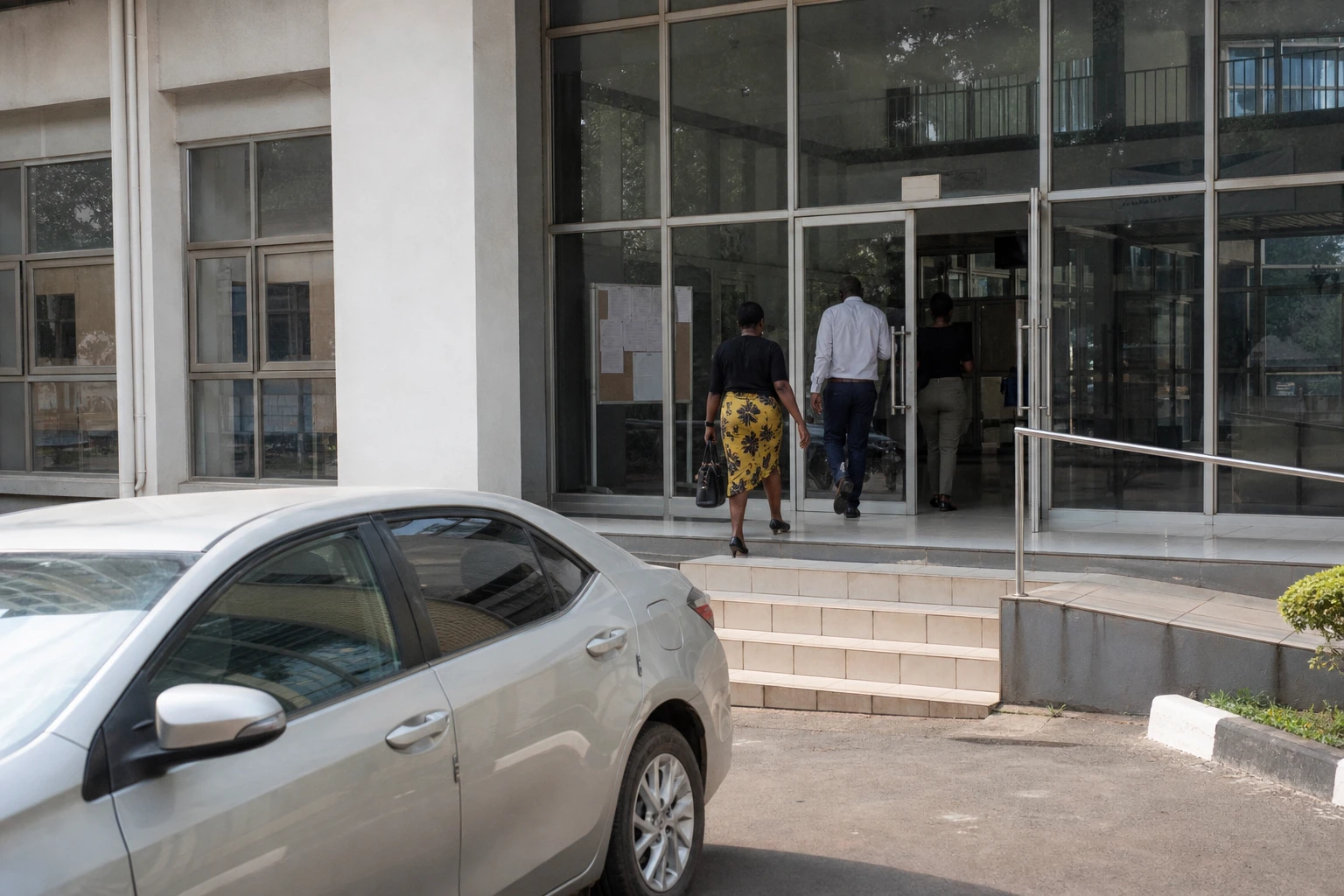
In Lusaka, the question is no longer simply whether Zambia’s economy is holding up. It is whether the country can finally turn financial calm into jobs, more reliable energy and more widely shared growth. After years of debt pressure, the country has gained some breathing room. But that space remains fragile, particularly as the general elections on 13 August 2026 approach.
Zambia, a country in southern Africa and a member of SADC, long paid the price for debt that became unsustainable during the pandemic. In January 2026, the International Monetary Fund confirmed that the 38-month programme launched in 2022 had come to an end, following notable progress on macroeconomic stability and debt restructuring. The country nevertheless remains at high risk of external debt distress, even though the situation has improved.
This shift is not confined to the figures in Lusaka. It also affects the mining corridors of the Copperbelt, urban markets, rural households and businesses that depend on bank credit. In an economy heavily reliant on copper, electricity and agriculture, every shock to fuel, rainfall or energy supply quickly feeds through to prices and employment. The African Development Bank also stresses that the country’s vulnerabilities remain linked to energy, infrastructure and climate shocks.
Real, but still incomplete, stabilisation
Since declaring sovereign default in 2020, Zambia has undertaken a long process of rescheduling. The IMF says that by 2026 restructuring agreements covered about 94% of the relevant debt perimeter, with five bilateral agreements already signed with official creditors and progress made with commercial creditors. This is an important step, as it eases immediate pressure on public finances. But it does not resolve everything: the country still needs to preserve the credibility of its fiscal policy.
The return of inflation to the Bank of Zambia’s target range is another positive signal. In April 2026, it fell to 6.8%, within the target range of 6 to 8%, thanks to the appreciation of the kwacha and slower food price rises, according to the IMF. International reserves have also been rebuilt to 4.4 months of prospective imports. These figures do not mean the problem is solved. Rather, they indicate that Zambia has bought time, which is valuable but can still be lost.
At the same time, the government is maintaining a cautious fiscal stance. The 2026 budget, presented to the National Assembly in autumn 2025, sets out an ambitious growth target of 6.4% and a push on schools, roads and electricity. This shows the course chosen in Lusaka: consolidate macroeconomic gains while funding public services. But room for manoeuvre remains limited, as some of the money must also go towards meeting needs inherited from the debt burden.
Copper, maize and energy: the three drivers of the next cycle
Zambia’s growth depends first and foremost on copper. The IMF forecasts growth of 5.8% in 2026, driven by a recovery in mining output, services and the gradual resumption of electricity supply. The government, for its part, is betting on a stronger recovery as mining investment gathers pace. It is a coherent bet, since copper remains the country’s main source of foreign currency. But it also leaves the economy vulnerable to global demand and local production constraints.
Agriculture can also help cushion the shock. The authorities have highlighted an exceptionally strong maize harvest in 2025, which supported the outlook for 2026. The Ministry of Finance has also set out ambitious targets for the coming years, including an increase in cereal production. But a good season does not eliminate climate risk. A future drought could reduce hydropower generation, weigh on energy supply and force the state to choose between costly imports and rationing.
The most sensitive issue remains the cost of imported energy. The IMF notes that a rise in fuel prices linked to tensions in the Middle East has already made inflation harder to control. In a country where electricity still depends heavily on hydropower, this creates a double vulnerability: higher public spending when fuel prices rise, and less economic activity when reservoirs lack water. For households, the impact is immediately visible in their bills. For small businesses, it often means power cuts, extra costs and lower margins.
August 2026 elections as a test of credibility
The political calendar adds another layer of tension. The Electoral Commission of Zambia has confirmed that general elections will be held on 13 August 2026, and SADC has deployed a pre-election assessment mission to Lusaka. This regional presence is a reminder of a simple fact: in southern Africa, macroeconomic and political stability are closely watched. A tense election, poorly calibrated spending promises or a retreat from fiscal discipline could quickly undermine the confidence of markets and partners.
For the government, the challenge is to defend a record of financial normalisation and gradual recovery. For the opposition, the ground is open for a different argument: stability is not yet improving life for households quickly enough, nor creating enough opportunities for young people entering the labour market. The IMF itself notes that poverty and inequality remain high, despite the progress made. In other words, the political contest in 2026 will hinge less on the end of default than on how that milestone translates into everyday life.
Regionally, Zambia matters as more than just a national case. If Lusaka can consolidate its debt position, secure energy supplies and diversify growth, the country could offer a useful example for other African economies facing the same debt-currency-energy triangle. This is also what SADC is watching, in a region where mining, agricultural and logistics value chains are already closely linked. The coming months will show whether Zambia turns financial respite into a lasting trajectory, or whether it merely postpones the same difficult choices.