Algeria
 Egypt
 Libya
 Morocco
 Sudan
 Tunisia
 Benin
 Burkina Faso
 Cabo Verde
 Côte d'Ivoire
 Ghana
 Guinea
 Guinea-Bissau
 Liberia
 Mali
 Mauritania
 Niger
 Nigeria
 Senegal
 Sierra Leone
 The Gambia
 Togo
 Cameroon
 Central African Republic
 Chad
 DR Congo
 Equatorial Guinea
 Gabon
 Republic of the Congo
 São Tomé and Príncipe
 Burundi
 Comoros
 Djibouti
 Eritrea
 Ethiopia
 Kenya
 Madagascar
 Malawi
 Mauritius
 Mozambique
 Rwanda
 Seychelles
 Somalia
 South Sudan
 Tanzania
 Uganda
 Angola
 Botswana
 Eswatini
 Lesotho
 Namibia
 South Africa
 Zimbabwe
In Siavonga, a fishing islet has become a test for the Zambian state
On the shores of Lake Kariba, the question is not only who produces fish. It is also who decides how a shared space is used, who protects its inhabitants, and who pays when an industrial project disrupts an entire community. In Zambia, this debate touches on land rights, small-scale fishing and the credibility of institutions.
The case centres on Siavonga, in the south of the country, on the Zambian shore of Lake Kariba, a vast transboundary reservoir managed jointly with Zimbabwe by the Zambezi River Authority. This bi-national authority was established in 1987 to manage the Kariba Dam and the sustainable use of the Zambezi’s waters. Lake Kariba remains one of the world’s largest artificial bodies of water, at the heart of energy, fishing and regional dynamics in southern Africa.
What the corroborated facts show
On 11 February 2023, according to FIAN Zambia, about 500 members of a fishing community were violently evicted from Jeremiah Island, on Lake Kariba, in Siavonga district. The organisation says four people were arrested, about 100 were injured, property and fishing equipment were destroyed, and no rehousing or compensation followed.
This account is consistent with Zambia’s legal framework on water and fisheries. The Fisheries Act defines “fishery waters” as including lakes, reservoirs and other natural or artificial waters, while the regulation of commercial fishing areas is subject to specific administrative decisions. In other words, access to water and fishing areas is not simply a private matter: it falls under a public framework.
The case has also been brought back into focus by social developments in 2026. On 2 March 2026, Zambia’s Ministry of Labour launched an investigation after a video circulated showing a Zamfresh employee whom company officials allegedly accused of internal fraud. The ministry identified several alleged breaches, including the absence of contracts, payslips and protective equipment, then fined Sunshare Group, the parent company named in the sanctions, 160,000 kwacha. The following day, Zambian media reported that two Chinese nationals could face the revocation of their work permits, with deportation recommended.
At the same time, the sector is not a marginal one. Several sources describe Zamfresh as a major fish-farming operator in the Siavonga region, with large fish cages, processing operations and a prominent role in supplying the Zambian market. Meanwhile, earlier warnings about hygiene, waste, dormitory ventilation and workplace safety had already appeared in the local press in 2021, following an inspection by health and district authorities.
Between economic sovereignty and protection of lakeside communities
The conflict goes far beyond a single island. In Zambia, small-scale fishing feeds thousands of households and underpins the informal economy around transport, drying, retail sales and processing. When access to a lake is closed or militarised, several income streams are broken at once. The impact is immediate for families, but also for markets in Siavonga, Lusaka and the towns of the Copperbelt, where some of Kariba’s fish is sold.
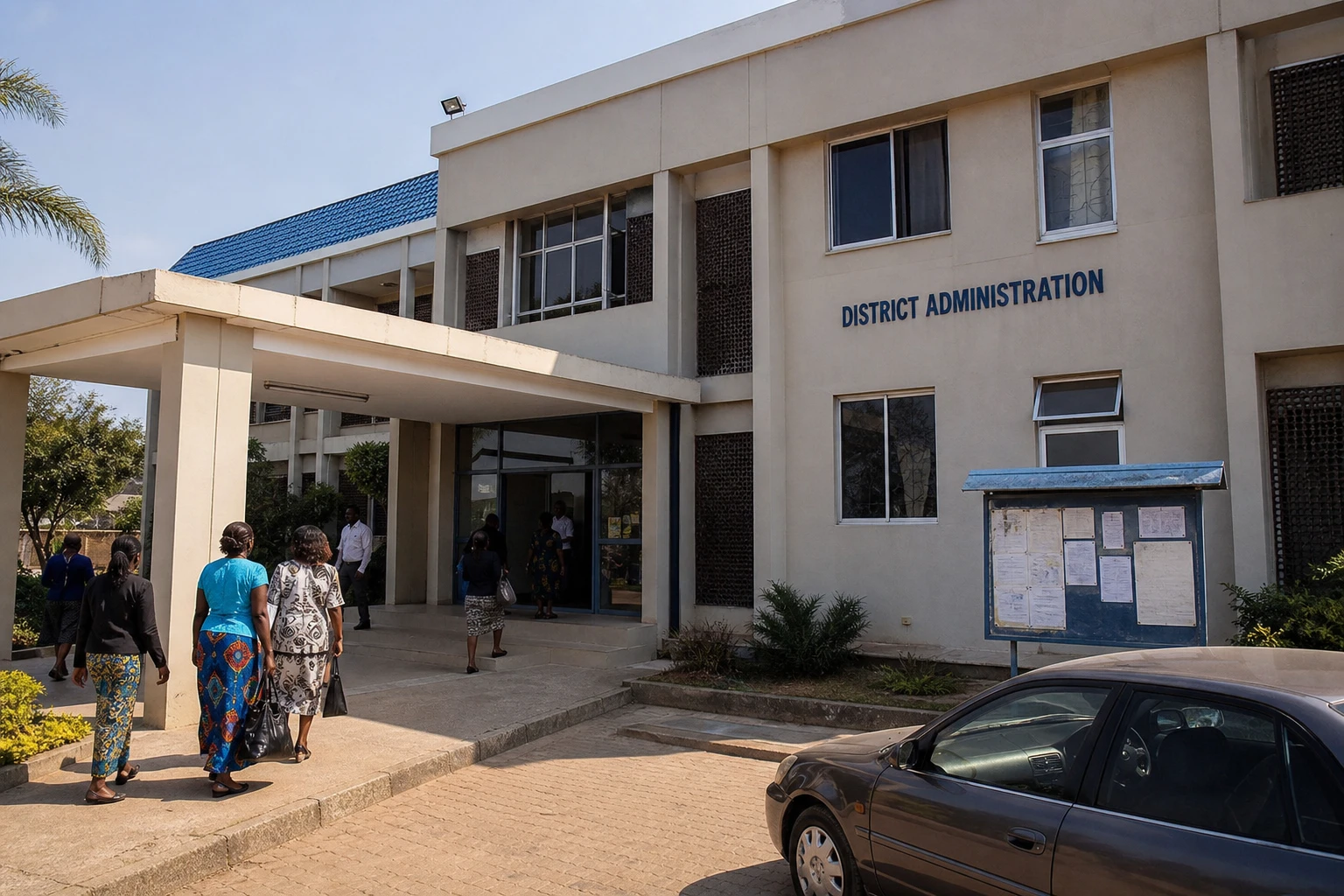
The case also raises questions about how the state mediates between investors and communities. FIAN Zambia says those evicted lost their livelihoods and were offered neither an alternative nor compensation. Its Zambian office also says the victims were deprived of fishing rights. The issue is not only humanitarian. It is constitutional, economic and political: can a government promote industrial fish farming without guaranteeing consultation, recourse and compensation?
The case also touches on the reputation of Chinese investors in Zambia. The country has long-standing ties with China in mining, infrastructure and agriculture. But those same relationships can be undermined when a company’s local practices create a sense of abandonment or arbitrariness. In Lusaka, this tension has become visible: on one side, the pursuit of capital and technology; on the other, the demand for dignified treatment of workers and lakeside communities.
What the case says about southern Africa
At regional level, the Jeremiah Island case resonates with SADC’s priorities. The Southern African Development Community has made fisheries and aquaculture a pillar of food security, employment and trade integration. It is also working on regional tilapia value chains, particularly in countries such as Zambia and Zimbabwe. When an aquaculture operation comes into conflict with community rights, the entire promise of regional blue growth is put to the test.
Lake Kariba brings together several contemporary African challenges: energy security, transboundary water management, the growth of aquaculture, pressure on resources, and the balance between public and private interests. Zambia, which increasingly sees itself as a future hub for fish production, will have to show that sectoral expansion can take place under clear rules, with accountable administration and effective protection for lakeside populations. Without that, investment risks generating mistrust rather than value.
Developments will be closely watched in Lusaka and Harare, because Kariba remains a shared space. Any decision on access to water, fish-farming cages or the boundaries of fishing areas has implications beyond Siavonga. It affects the governance of common resources in southern Africa and, more broadly, the ability of African states to regulate powerful investments without sacrificing the communities that already depend on those resources.