
 Algeria
 Egypt
 Libya
 Morocco
 Sudan
 Tunisia
 Benin
 Burkina Faso
 Cabo Verde
 Côte d'Ivoire
 Ghana
 Guinea
 Guinea-Bissau
 Liberia
 Mali
 Mauritania
 Niger
 Nigeria
 Senegal
 Sierra Leone
 The Gambia
 Togo
 Central African Republic
 Chad
 DR Congo
 Equatorial Guinea
 Gabon
 Republic of the Congo
 São Tomé and Príncipe
 Burundi
 Comoros
 Djibouti
 Eritrea
 Ethiopia
 Kenya
 Madagascar
 Malawi
 Mauritius
 Mozambique
 Rwanda
 Seychelles
 Somalia
 South Sudan
 Tanzania
 Uganda
 Angola
 Botswana
 Eswatini
 Lesotho
 Namibia
 South Africa
 Zambia
 Zimbabwe
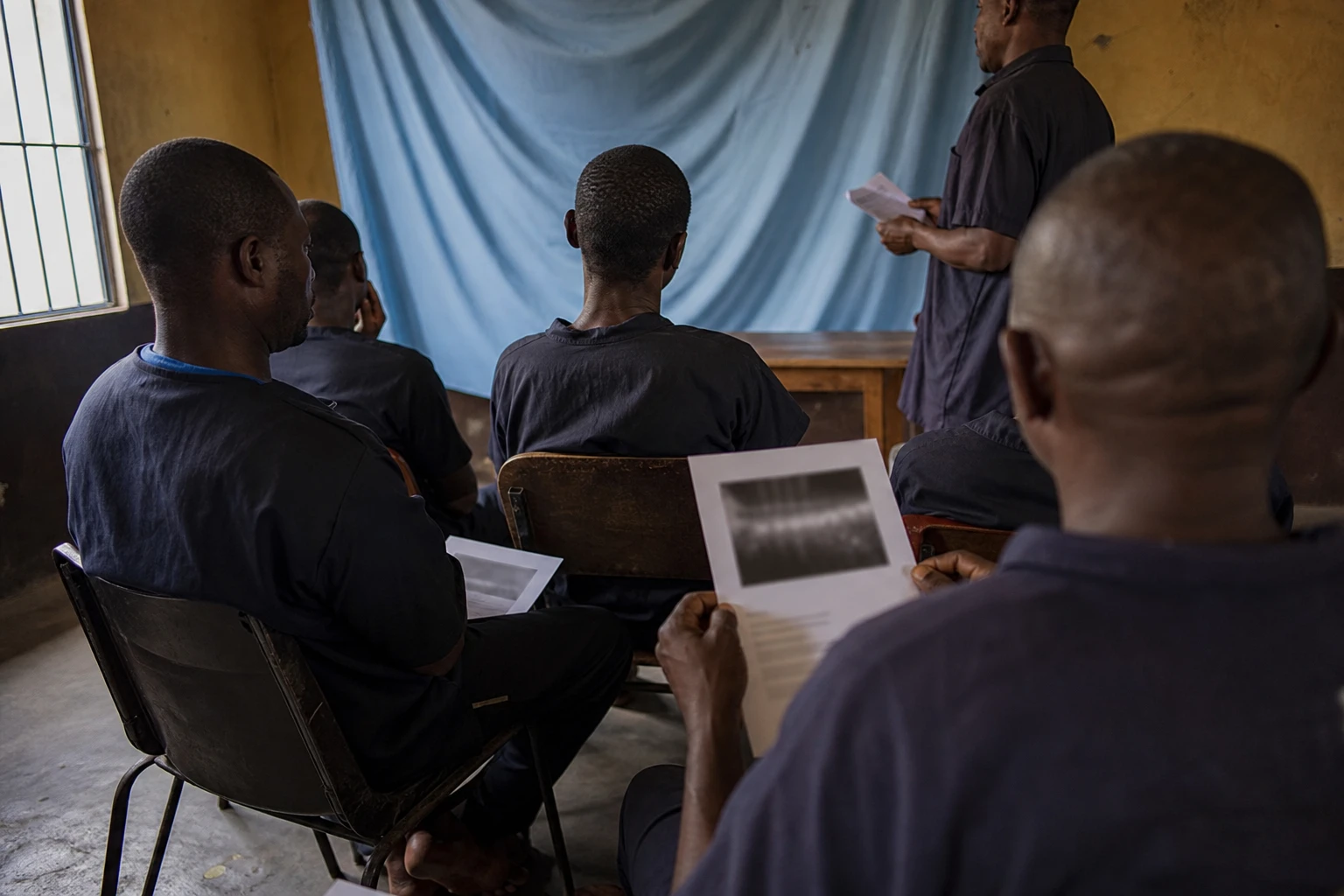
When detention becomes a space for creativity
In Douala, New Bell Central Prison is known for its harshness. Yet behind its walls, a recording studio has managed to open and then endure. This contrast says much about Cameroon’s prison system: an overstretched system, but also one with spaces where prisoners are trying to regain control of their lives through music.
In a port city where goods, languages and cultures circulate, the Jail Time Records initiative has turned an overcrowded prison into an artistic laboratory. The project does nothing to erase the conditions of detention. It does, however, show that prison policy can create spaces for rehabilitation and collective discipline, even within a constrained environment.
New Bell, a mirror of tensions in Cameroon’s prison system
New Bell prison is not an isolated setting. It is part of a wider set of challenges that human rights reports have described for years: overcrowding, poor hygiene, widespread pre-trial detention and limited access to independent oversight. In April 2022, Human Rights Watch estimated that the facility held about 4,700 people, four times its stated capacity. The same findings appeared in other reports on Cameroon, which highlighted the dilapidated state of prisons and chronic congestion across the prison system.
The issue extends beyond Douala. In a country facing several simultaneous emergencies, from the Anglophone crisis to security tensions in other regions, prisons often become places where the state’s vulnerabilities are concentrated. Prisons must then cope with waves of arrests, lengthy periods of pre-trial detention and inadequate resources for care. This reality fuels an environment in which violence between prisoners, health risks and institutional discouragement compound one another.
A studio born in the courtyard, then expanded beyond Cameroon
Jail Time Records began in 2018, growing out of cultural workshops held at New Bell and then a request for permission to set up a studio inside the prison. The project was built around Steve Happi and Dione Roach, who wanted to make music a tool for expression, organisation and rehabilitation. The label subsequently grew to include recordings and music videos, along with a model for sharing revenue between artists and reinvesting it in the project.
The studio remains rudimentary. But its strength lies elsewhere: it offers a working environment, a method and visibility to people who would otherwise remain confined to the language of coercion alone. The documentary about the project, filmed over six years at New Bell, served as an international showcase for the initiative. Tribeca confirmed in 2026 that the film had been named best documentary, following its world premiere.
This recognition also matters for the circulation of African stories. Too often, the continent’s cultural institutions become visible only after receiving external validation. Here, the dynamic is partly reversed: an initiative born in Central Africa has found an international stage without losing its local roots. For Cameroon, a country with strong musical traditions and urban creativity, the project is a reminder that cultural policy can also reach the most closed-off places.
Rehabilitation, without romanticising incarceration
The project’s significance should not obscure the reality of prison conditions. Conditions of detention at New Bell remain a major public concern. HRW reported in 2022 that at least six prisoners had died there amid a cholera outbreak. Other reports refer to earlier episodes of serious violence at the facility, including the 2008 shooting during an attempted escape. These events are a reminder that a cultural programme does not undo either unsanitary conditions or the brutality of the environment.
This is precisely where the project raises a useful question for Cameroon’s authorities. Can a prison remain a place solely for incapacitation, or should it also prepare people to return to society? The label answers in its own way: through work, technical discipline and the rebuilding of self-esteem. But this response is effective only if it forms part of a broader policy that improves access to water, reduces overcrowding and treats pre-trial detention as an exception, not the norm.
The human dimension is also central. The songs recorded at New Bell speak of waiting, anger, family memories and the desire to remain present for loved ones. In a country where the informal economy and neighbourhood solidarity remain essential, prison often cuts people off from their networks of survival. A studio, however modest, does not repair this rupture. It simply makes it less silent.
What this model says about Central Africa
The New Bell experience resonates beyond Cameroon, across the CEMAC region, the Central African Economic Community. Countries in the region share judicial systems that are often clogged, ageing prisons and limited resources for rehabilitation. In this context, the Jail Time Records project is not a model solution, but a signal: cultural and prison policies can intersect rather than ignore one another.
The fact that the project later expanded to Ouagadougou Central Prison in Burkina Faso also shows that the idea is circulating in another African regional space. In other words, the creativity born in Douala is not just a local story; it is becoming a tool that can be exported and adapted to other prisons and other young people behind bars. For the African Union and subregional organisations alike, this kind of initiative is a reminder that credible prison reform is not simply a matter of building newer walls. It also means restoring a social role to the time spent behind those walls.
In Douala, the question therefore remains open. New Bell is still a place of deprivation and tension. But, despite itself, it has also become a space in which another understanding of detention is being tested: not the abolition of punishment, but the patient search for a place in society. In a country still seeking the right balance between security, justice and dignity, that distinction matters.



