Algeria
 Egypt
 Libya
 Morocco
 Sudan
 Tunisia
 Burkina Faso
 Cabo Verde
 Côte d'Ivoire
 Ghana
 Guinea
 Guinea-Bissau
 Liberia
 Mali
 Mauritania
 Niger
 Nigeria
 Senegal
 Sierra Leone
 The Gambia
 Togo
 Cameroon
 Central African Republic
 Chad
 DR Congo
 Equatorial Guinea
 Gabon
 Republic of the Congo
 São Tomé and Príncipe
 Burundi
 Comoros
 Djibouti
 Eritrea
 Ethiopia
 Kenya
 Madagascar
 Malawi
 Mauritius
 Mozambique
 Rwanda
 Seychelles
 Somalia
 South Sudan
 Tanzania
 Uganda
 Angola
 Botswana
 Eswatini
 Lesotho
 Namibia
 South Africa
 Zambia
 Zimbabwe
An energy project that goes beyond gas
Between Rabat, Abuja and West African capitals, the gas dossier is no longer merely technical. It has become a test of regional cooperation, at a time when West Africa is seeking infrastructure capable of linking its markets rather than leaving them to operate in silos. The African Atlantic gas pipeline, backed by Nigeria and Morocco with the support of ECOWAS member states, is rooted precisely in this logic.
The aim is clear: to turn a chain of coastal and landlocked states into a more coherent energy space. For governments, the project is intended to support electrification, industry and financial appeal. For households and businesses, it promises one very tangible benefit: more reliable access to energy, if the timetable and financing come through.
What the states actually agreed in Freetown
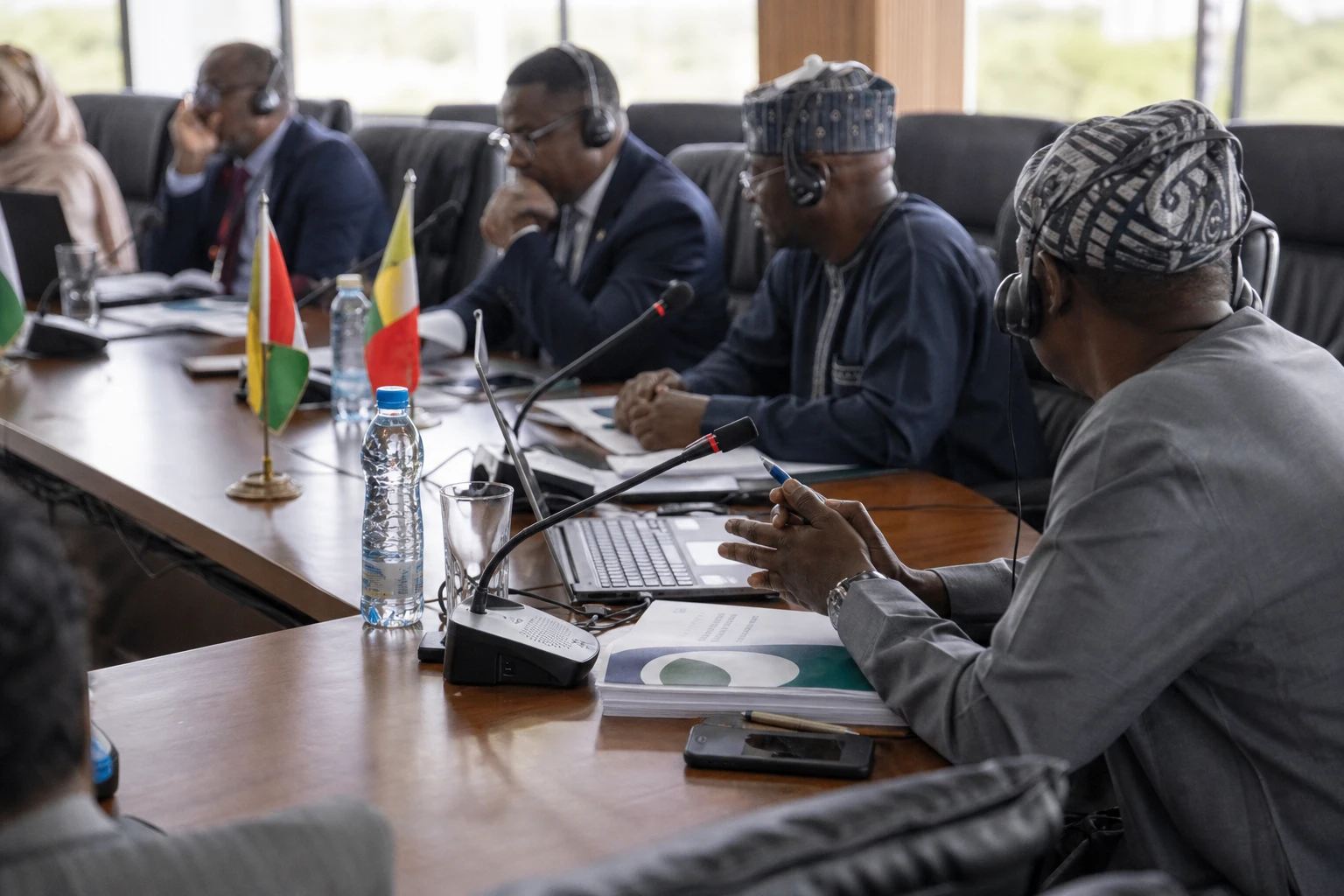
On 19 July 2026, in Freetown, ECOWAS heads of state signed the intergovernmental agreement governing the project. The decision was formalised in the regional summit’s final communiqué, then confirmed by the public companies involved on the Moroccan and Nigerian sides. This gives the gas corridor a common political framework, after several years of institutional preparation.
According to documents from ECOWAS and the project sponsors, the pipeline is intended to link Nigeria to Morocco over approximately 6,800 to 6,900 kilometres, crossing up to 13 countries along the Atlantic coast and several inland states via branch lines. Its target capacity is around 30 billion cubic metres a year. The project has also already passed technical milestones, with the intergovernmental and host country agreements approved within ECOWAS, followed by completion of FEED, the front-end engineering design study that prepares the construction phase.
The next steps announced are now more specific. According to Morocco’s National Office of Hydrocarbons and Mines, the project company is to be established in Casablanca, while the pipeline’s governance authority, responsible for political and regulatory coordination, will be based in Abuja. Financing must then be secured before the final investment decision.
Financially, the project has begun to attract the interest of international institutions. Morocco’s ambassador to Washington said discussions were under way with US EXIM Bank and the World Bank. The US export credit agency, for its part, acknowledged preliminary discussions. This does not mean that financing has been secured. It does, however, show that the project is seeking to join the ranks of infrastructure considered bankable, and therefore capable of attracting loans, guarantees and co-financing.
Why this corridor changes the regional energy picture
The project is not simply about transporting a hydrocarbon northwards. Its promoters emphasise a much broader regional role: connecting still-fragmented gas and electricity markets, supporting industry and providing a more reliable base for power plants. ECOWAS also links the project to its economic integration agenda, at a time when energy interconnection remains an essential means of reducing power cuts and strengthening trade within the region.
For coastal states such as Senegal, Mauritania, Côte d’Ivoire, Ghana and Benin, the immediate benefit lies in the possibility of supplying domestic and industrial users. For landlocked countries such as Burkina Faso, Mali and Niger, the rationale is different: the hope is for future connections, or at least indirect effects on energy prices and availability. For Nigeria, the project puts a major strategic resource to use. For Morocco, it strengthens its position as a gas, industrial and logistics hub between West Africa, the Maghreb and, eventually, European markets.
But the challenges are numerous. A cross-border project of this scale requires harmonised legal frameworks, guarantees of stability, land rights, common environmental standards and long-term budgetary discipline. This is where the number of countries involved is both a strength and a difficulty. Financing can be spread more widely, but each state also adds delays, negotiations and coordination risks. This view is shared by the project sponsors, who see it as a way to pool resources, and by several analysts, who warn that overly cumbersome governance could slow implementation.
Climate considerations add another layer of complexity. Project officials present gas as a transition fuel, useful for replacing more polluting sources and supporting clean cooking or electricity generation. European markets, however, are progressively reducing their reliance on fossil fuels. The economic model therefore depends on a delicate balance between regional demand, external markets and the ability of funders to accept a long-term investment amid the energy transition.
A pan-African signal beyond the sea and land route
This project says something broader about Africa’s current moment. ECOWAS continues to back integrating infrastructure as it seeks to strengthen its institutions and show that regional integration can deliver visible results. The Freetown summit also brought together several strands of work: governance, gender parity, the future of regional integration and the Atlantic gas pipeline. The message is as political as it is economic.
Across the continent, the project is being watched as a test case: can a very large-scale transnational infrastructure project still be developed, financed and secured by an African coalition seeking international capital without losing control of the timetable? The answer will not come from an announcement, but from the next concrete decisions: establishing the project company, setting up the governance authority, mobilising investors and, above all, making the final investment decision. That is when the gas pipeline will cease to be a symbol and become, or fail to become, a real piece of infrastructure.