Algeria
 Egypt
 Libya
 Morocco
 Sudan
 Tunisia
 Benin
 Burkina Faso
 Cabo Verde
 Côte d'Ivoire
 Ghana
 Guinea
 Guinea-Bissau
 Liberia
 Mali
 Mauritania
 Niger
 Nigeria
 Senegal
 Sierra Leone
 The Gambia
 Togo
 Cameroon
 Central African Republic
 Chad
 DR Congo
 Equatorial Guinea
 Gabon
 Republic of the Congo
 São Tomé and Príncipe
 Burundi
 Comoros
 Djibouti
 Eritrea
 Ethiopia
 Kenya
 Madagascar
 Malawi
 Mauritius
 Mozambique
 Rwanda
 Seychelles
 Somalia
 South Sudan
 Tanzania
 Uganda
 Botswana
 Eswatini
 Lesotho
 Namibia
 South Africa
 Zambia
 Zimbabwe
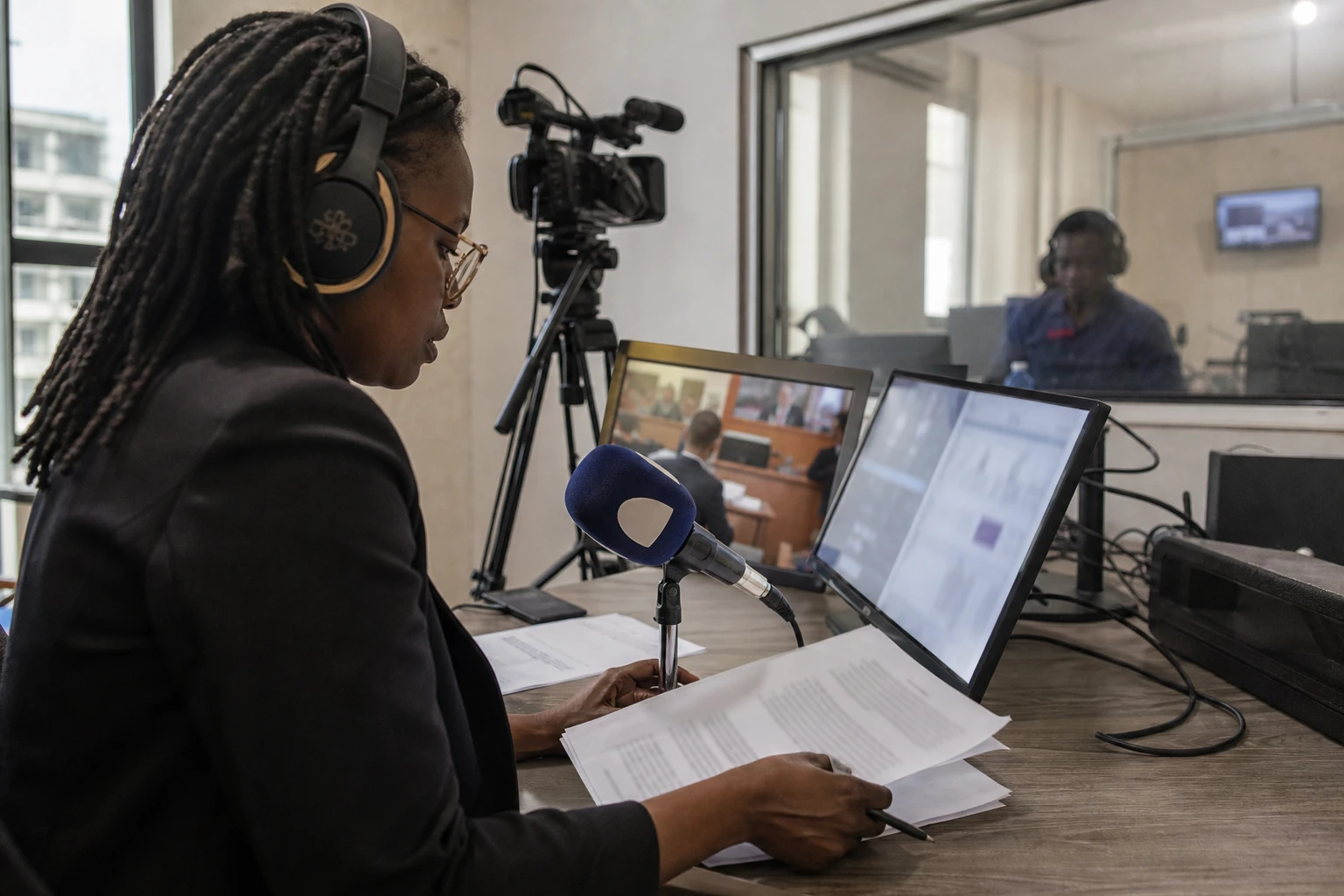
In Luanda, a trial that goes far beyond two Russian passports
In Luanda, Angola’s justice system has sent a clear signal: in a country where social tensions remain acute, alleged foreign interference is no longer treated as a peripheral matter. The sentencing of two Russian nationals comes amid a climate still shaped by the July 2025 riots, which began after a diesel price increase and quickly spread to several Angolan provinces.
The case also comes at a politically charged moment. Angola, a member of the SADC — the Southern African Development Community — remains committed to its own regional integration reforms, while already looking ahead to the 2027 general elections and the internal balance between the government, opposition and civil society. The country is seeking to project institutional stability and control over its political space.
What Angola’s justice system decided
The Luanda Provincial Court sentenced Igor Ratchin to 11 years in prison and Lev Lakshtanov to 8 years for several offences, including espionage and terrorism. The two men denied the charges. The public prosecutor immediately lodged an appeal, leaving the case open in the courts.
According to evidence presented during the proceedings, the defendants were tried alongside two Angolans, Amor Carlos Tomé and Francisco Oliveira. The former received a two-year suspended prison sentence, while the latter was acquitted. The trial, which opened in March 2026, was closely followed by the Angolan press and international media, reflecting the case’s diplomatic resonance.
The prosecution argued that the group had taken part in a political influence operation, involving contacts in media and party circles, transfers of money in foreign currencies and content intended to promote a narrative hostile to the government. The accused said they were working on cultural and commercial projects, including a Russian cultural centre in Luanda. At this stage, the existence of a coordinated operation remains a judicial allegation, not an undisputed fact.
Another point shaped how the case was viewed: the court ruled that testimony from certain political figures called by the defence was not necessary to establish the facts. The proceedings were also criticised over procedural irregularities raised from the first hearings, particularly concerning the public reading of the indictment.
Why the case matters in Angola and beyond
The domestic context gives the case particular significance. In July 2025, protests against rising fuel prices escalated into violence, with an official toll of 22 deaths, 197 injuries and more than 1,200 arrests, announced by the Angolan presidency, while other initial tallies were lower before being revised. The episode left a lasting political mark in a country where control of public space remains a central issue.
For the authorities, the message is clear: networks suspected of fuelling protests, spreading false information or financing local intermediaries can face serious charges. For civil society, the risk is different: the line between investigating genuine foreign influence and criminalising political or media activity may become blurred if judicial transparency is not complete. This is where part of the credibility of Angola’s rule of law is at stake.
The regional dimension is not secondary. Angola is part of a Southern Africa grappling with debates over information sovereignty, capital flows, external influence and domestic security. The SADC, for its part, is promoting democratic governance and election-observation mechanisms, while Luanda says it wants to align its national priorities with regional development frameworks. In this landscape, a trial of this kind goes beyond a criminal case: it concerns how an African state defends its political space.
The case also touches on Russia’s presence in Africa, often analysed through security networks, political consulting and influence. Angolan authorities have described a link in this case to the Wagner ecosystem, a Russian mercenary group that has since been dissolved. The accused dispute this interpretation. The disagreement is significant: it shows how alliances, security companies and influence operations have become part of the continent’s power dynamics.
The next stage will be before the court of appeal. With the prosecution appealing, the defence challenging the verdict and public debate continuing over the strength of the evidence, the case will show whether Angola’s main aim is to punish an alleged attempt at destabilisation or to set a broader precedent on foreign influence and political financing. Across the continent, many states will be watching closely: the case touches on an issue that has become central in Southern Africa and beyond — the sovereignty of institutions in the face of influence operations.