Algeria
 Egypt
 Libya
 Morocco
 Sudan
 Tunisia
 Benin
 Burkina Faso
 Cabo Verde
 Côte d'Ivoire
 Ghana
 Guinea
 Guinea-Bissau
 Liberia
 Mali
 Mauritania
 Niger
 Nigeria
 Senegal
 Sierra Leone
 The Gambia
 Togo
 Cameroon
 Central African Republic
 Chad
 DR Congo
 Equatorial Guinea
 Gabon
 Republic of the Congo
 Burundi
 Comoros
 Djibouti
 Eritrea
 Ethiopia
 Kenya
 Madagascar
 Malawi
 Mauritius
 Mozambique
 Rwanda
 Seychelles
 Somalia
 South Sudan
 Tanzania
 Uganda
 Angola
 Botswana
 Eswatini
 Lesotho
 Namibia
 South Africa
 Zambia
 Zimbabwe
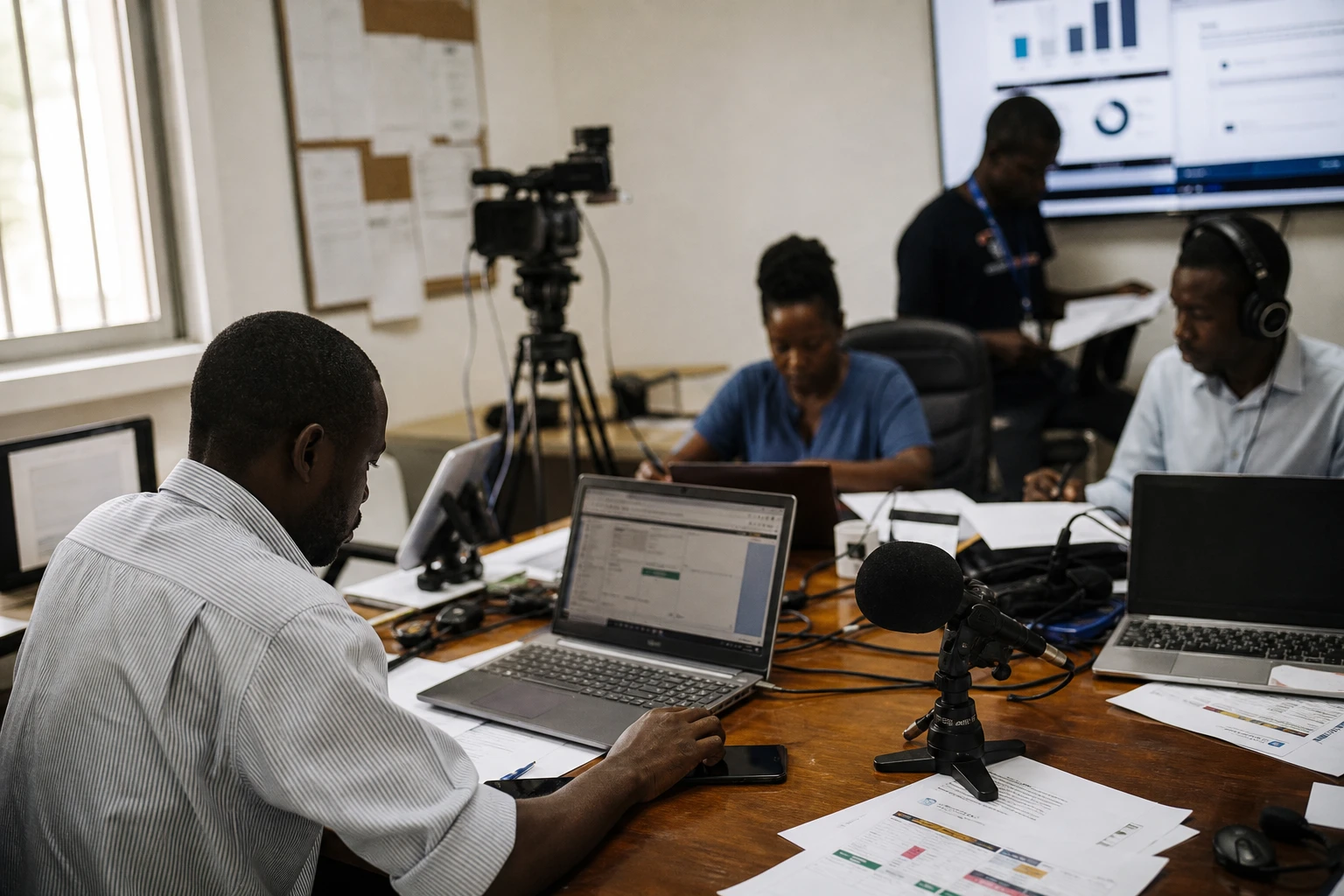
A tense presidential election in a country keen to remain predictable
In São Tomé, voters are going to the polls in a country where every election means more than a simple change of government. It is also a test of the resilience of small but closely watched institutions, in Central Africa, where stability remains a major political concern.
The 19 July 2026 vote takes place in an archipelago of 235,536 people, a member of the Economic Community of Central African States (ECCAS), with a median age of around 19 to 20, according to recent demographic sources. Its young population matters because of its impact on employment, emigration and social pressure on public services.
The national backdrop: a narrow economy, high expectations
The campaign has focused on very practical issues: power cuts, access to water, late salaries, stalled public works and job creation. These are recurring complaints in the capital and across the constituencies, where the daily struggles of households outweigh institutional debates.
São Tomé’s economy remains poorly diversified. It still depends on agriculture, cocoa, a nascent tourism sector and external financing. The World Bank says that in 2024, 13% of the population lived below the international poverty line of $3 a day, while only 21% of people aged 15 and over were in employment.
The government and voters also face a question that has recurred for decades: the country does not live off the oil promised in some campaign speeches. Offshore exploration has yet to lead to commercial production, and the World Bank instead points to modest growth driven by public spending, tourism and energy, not black gold.
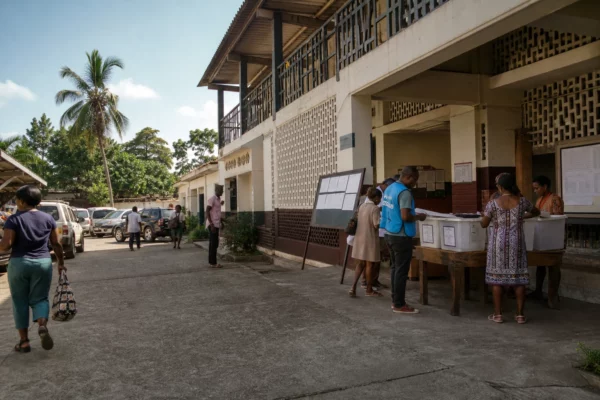
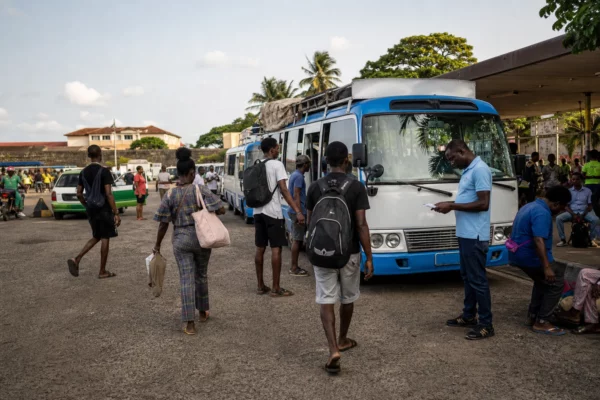
In this context, emigration weighs heavily. Departures to Portugal and other European destinations have become a social safety valve. The National Electoral Commission’s electoral register tracking system lists 142,191 voters registered for the presidential election, including 20,521 in the diaspora, a significant share of the electorate.
The facts: five candidates, a weakened incumbent
The presidential election ultimately pits five candidates approved by the Constitutional Court against one another: incumbent president Carlos Vila Nova, MP Nito d’Abreu, former prime minister Jorge Bom Jesus, lawyer Miques João and economist Eugénio Tiny. The campaign initially suggested a closer contest between the head of state and Nito d’Abreu, but the ballot shows a broader race.
Carlos Vila Nova is standing as an independent, after breaking with Independent Democratic Action (ADI), the party that brought him to power in 2021. The split has damaged his image, particularly as the country went through a political crisis in January 2025, when the president dismissed Patrice Trovoada and his government. Tensions between the two men have continued to shape political life.
His most combative rival, Nito d’Abreu, has capitalised on the idea of renewal. The ADI MP is appealing chiefly to a young population in a country where under-30s make up a large majority. The message is simple: vocational training, investment and more opportunities at home.
Jorge Bom Jesus, meanwhile, is back in the race with the experience of a former head of government. Miques João has focused his campaign on fighting corruption and securing judicial independence. Eugénio Tiny has stressed the credibility of the state and oversight of external financing. These points of division all point to the same central issue: the quality of governance.
Beyond the vote: what this election says about the region
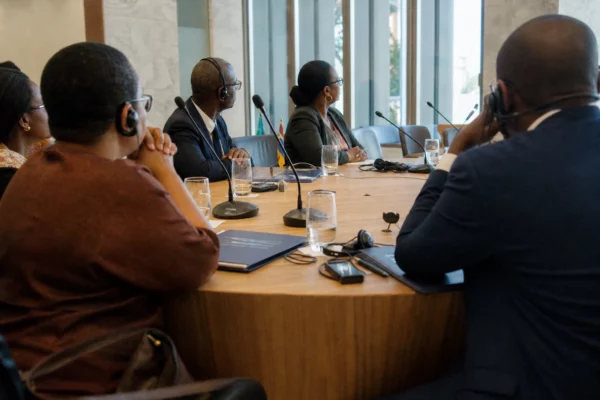
São Tomé and Príncipe is not a major market, but it remains a political bellwether in Central Africa. ECCAS and the United Nations are closely following this period, as it shows that a small island state can maintain a structured electoral contest despite social and institutional tensions.
International partners have also stepped up their presence. The European Union has deployed an election observation mission for the 2026 elections, while the CPLP, the community of Portuguese-speaking countries, has also organised election observation. This presence does not replace local institutions, but indicates that the vote is regarded as both sensitive and credible.
The real test will begin after the count. If no candidate wins an absolute majority, a second round is scheduled for 9 August 2026, according to European electoral planning. Legislative elections are due to follow on 27 September. In other words, the presidential election does not close the cycle; it opens a wider institutional phase.
For the people of São Tomé, the question is not only whom to choose as president. They must also consider whether the coming months will ease political tensions, speed up public services and give the economy some breathing space. In a country with a young, largely urban population that often depends on diaspora remittances, the result of 19 July will say much about the government’s ability to address everyday needs, not just arbitrate between institutions.