Aljeria
 Libya
 Misri
 Moroko
 Sudan
 Tunisia
 Benin
 Burkina Faso
 Gambia
 Ghana
 Gine
 Ginebisau
 Kepuvede
 Kodivaa
 Liberia
 Mali
 Moritania
 Niger
 Nigeria
 Senegal
 Sierra Leone
 Togo
 Chadi
 Gaboni
 Guinea ya Ikweta
 Jamhuri ya Afrika ya Kati
 Jamhuri ya Kidemokrasia ya Kongo
 Kongo
 Sao Tome na Principe
 Burundi
 Eritrea
 Ethiopia
 Jibuti
 Kenya
 Komoro
 Madagaska
 Malawi
 Morisi
 Msumbiji
 Rwanda
 Shelisheli
 Somalia
 Sudan Kusini
 Tanzania
 Uganda
 Afrika Kusini
 Angola
 Botswana
 Eswatini
 Lesoto
 Namibia
 Zambia
 Zimbabwe
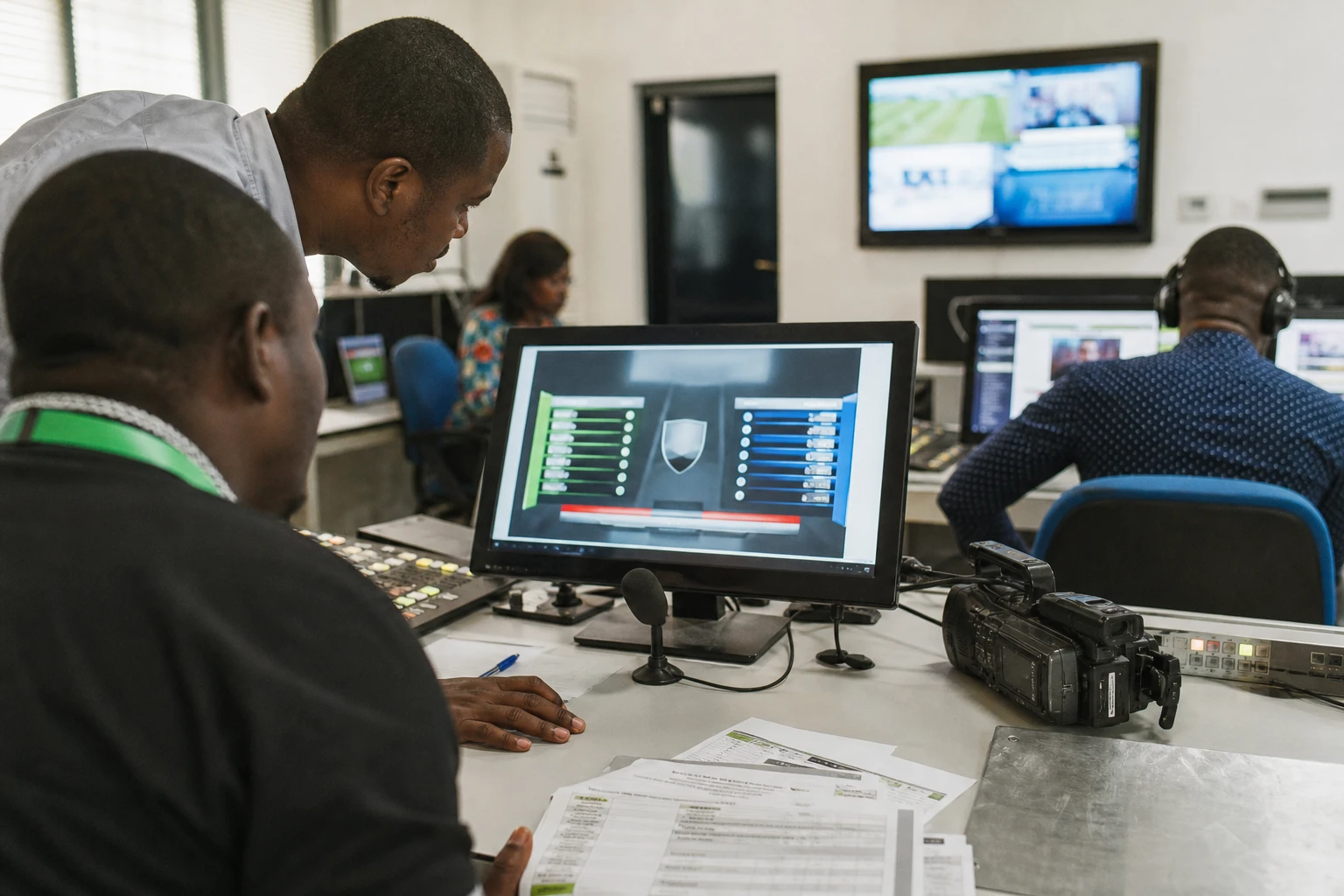
A tournament that also tells the story of women’s football’s rise in Africa
In Morocco, the 2026 WAFCON is more than a simple list of fixtures. It brings together two very different realities: on one side, national teams long established among the continent’s leading sides; on the other, teams challenging the existing order. Cameroon, reinstated on the basis of its FIFA ranking after being eliminated on the pitch, arrives at the competition hoping to turn an administrative entry into a genuine sporting campaign. Malawi, meanwhile, secured its first qualification for the finals after eliminating Angola 3-0 on aggregate.
This shift says a lot about women’s football in Africa in 2026. The Confederation of African Football expanded the finals from 12 to 16 teams, opening the door to four nations reinstated from among those eliminated in the final round, on the basis of the FIFA women’s world ranking. Cameroon benefited from this expanded format, as did Côte d’Ivoire, Mali and Egypt. At the same time, Malawi wrote the first chapter in its continental history.
Cameroon: status, expectations and the need to bounce back
For Cameroon, the WAFCON is never an ordinary tournament. The Indomitable Lionesses remain one of the familiar faces of African women’s football, even though their recent path has been marked by uneven results and fiercer competition. In Yaoundé, the Cameroon Football Federation had to build preparations in a particular context: a reinstated team, intense pressure, and Group D, where the opening match against Mali was already meant to be a test of maturity. The competition schedule has that clash taking place in Casablanca, ahead of further matches in a group stage where every point counts.
The national context also weighs on the equation. In Cameroon, women’s football remains a major platform for sportswomen’s visibility, but it often suffers from an imbalance between ambitions and resources. The youth teams, for their part, continue to sustain the player pathway. The Young Lionesses made a strong start to their World Cup qualifying campaign against Algeria, while the U20s took a promising step in their own campaign. This depth of talent matters because it shows that Cameroon’s problem is not a lack of ability, but consistency in developing the elite level.
Malawi, a newcomer changing the landscape
Malawi, meanwhile, arrives without a deep continental legacy, but with clear momentum. In October 2025, the Scorchers secured their place at the WAFCON after a 0-0 away draw followed by a 2-0 win over Angola in Lilongwe. CAF confirmed that this historic qualification was the country’s first for the competition. On a continent where the hierarchy remains strong, Malawi’s arrival is a reminder that a more open qualifying system can broaden the map of women’s football in Africa.
The contrast with Cameroon is instructive. The Lionesses came to Morocco carrying the weight of their reputation and the legitimacy of their experience. Malawi, by contrast, brings the freshness of a first appearance. In this kind of contest, the team with the greater expectations is not always the more relaxed one. For Cameroon, this calls for a careful reading of the match: not to confuse continental standing with automatic control. For Malawi, the challenge is the opposite: to turn the excitement of qualification into tactical discipline without giving in to the emotion of the moment.
What the expanded format means for Central Africa and beyond
Expanding the tournament to 16 teams is more than a fixture adjustment. It changes sporting trajectories, preparation budgets and the place given to women’s football in national policies. In the CEMAC region, where Cameroon is a central player, every continental appearance sends a signal to federations, clubs and sponsors. A place in Morocco can boost the visibility of local leagues, encourage investment in training centres and give greater prominence to players based abroad. Conversely, a disappointing campaign is a reminder that competition is growing denser across the continent.
The regional significance extends beyond Cameroon alone. Mali, also reinstated on the basis of the FIFA ranking, finds itself in the same competitive catch-up situation. Ghana, meanwhile, remains one of the strongest sides cited in Group D. In other words, this WAFCON brings together several African models: established powers, nations rebuilding, and outsiders taking advantage of the expanded tournament to step into the spotlight. This is where part of the credibility of women’s football on the continent is at stake.
For Cameroon, what comes next will depend less on a story of triumph than on its ability to remain among the teams that matter. The 2026 WAFCON, hosted in Morocco from 26 July to 16 August, is a testing ground for this new landscape. The Lionesses are defending more than their status: they are defending their place among the leading sides, as new African teams, starting with Malawi, also claim their share of the stage.