nsions between Rwanda and Burundi continue to escalate as both countries trade accusations and close their borders. The situation has raised concerns about regional security and the impact on economic integration within the East African Community.
Burundian President Evariste Ndayishimiye has accused Rwanda of financing and training the RED-Tabara rebel group and called on the Rwandan people to pressure their government for change. These allegations have further strained relations between the two countries, which have been deteriorating in recent weeks.
The RED-Tabara is considered a terrorist organization by Burundian authorities and has been accused of carrying out a series of attacks in Burundi since 2015. The group first emerged in 2011 and was allegedly involved in a failed coup attempt in the same year.
Ndayishimiye’s remarks were made during an event in the Congolese capital Kinshasa, where he was attending the inauguration of Congolese President Felix Tshisekedi. He spoke to a group of young people and criticized the Rwandan government while addressing them.
In response, Rwandan authorities characterized Ndayishimiye’s statements as « incendiary » and accused him of trying to undermine the progress made in the country. They also condemned his remarks as a violation of the African Union’s charter.
The tensions between Rwanda and Burundi escalated earlier this month when Burundi closed all border crossings and began expelling Rwandan citizens. This move was in response to the RED-Tabara’s attack on the Burundian village of Gatumba, near the Congolese border, which resulted in the death of at least 20 people.
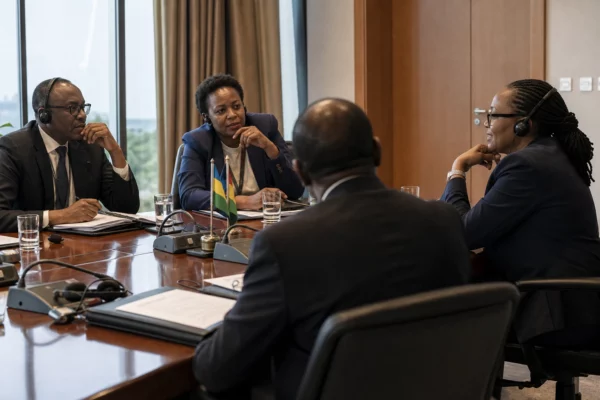
Both countries are members of the East African Community, an economic bloc that aims to promote regional integration and free movement of goods and people. The recent conflicts and border closures have undermined these goals and have had a negative impact on trade and the movement of people within the region.
The situation is further complicated by the involvement of the RED-Tabara and other rebel groups in the eastern Democratic Republic of Congo. Congolese authorities have accused Rwanda of supporting these armed groups, including the rebel M23 movement, which controls parts of the region. However, Rwanda has consistently denied these allegations.
The ongoing tensions between Rwanda and Burundi not only pose a threat to regional security but also hinder economic integration efforts within the East African Community. The closure of border crossings and the trade disruptions have a negative impact on businesses and livelihoods in the region.
Efforts should be made by regional and international actors to facilitate dialogue between Rwanda and Burundi in order to deescalate tensions and address the root causes of conflict. This requires a commitment from both governments to engage in peaceful negotiations and find common ground for resolution.
As the situation continues to evolve, it is crucial for accurate and reliable information to be disseminated to the public. Journalists and media organizations should ensure that their reporting is based on verified sources and provides objective analysis to maintain public trust and contribute to a peaceful resolution of the conflict.