Algeria
 Egypt
 Libya
 Morocco
 Sudan
 Tunisia
 Benin
 Burkina Faso
 Cabo Verde
 Côte d'Ivoire
 Ghana
 Guinea
 Guinea-Bissau
 Liberia
 Mali
 Mauritania
 Niger
 Nigeria
 Senegal
 Sierra Leone
 The Gambia
 Togo
 Cameroon
 Central African Republic
 Chad
 DR Congo
 Equatorial Guinea
 Gabon
 Republic of the Congo
 São Tomé and Príncipe
 Burundi
 Comoros
 Eritrea
 Ethiopia
 Kenya
 Madagascar
 Malawi
 Mauritius
 Mozambique
 Rwanda
 Seychelles
 Somalia
 South Sudan
 Tanzania
 Uganda
 Angola
 Botswana
 Eswatini
 Lesotho
 Namibia
 South Africa
 Zambia
 Zimbabwe
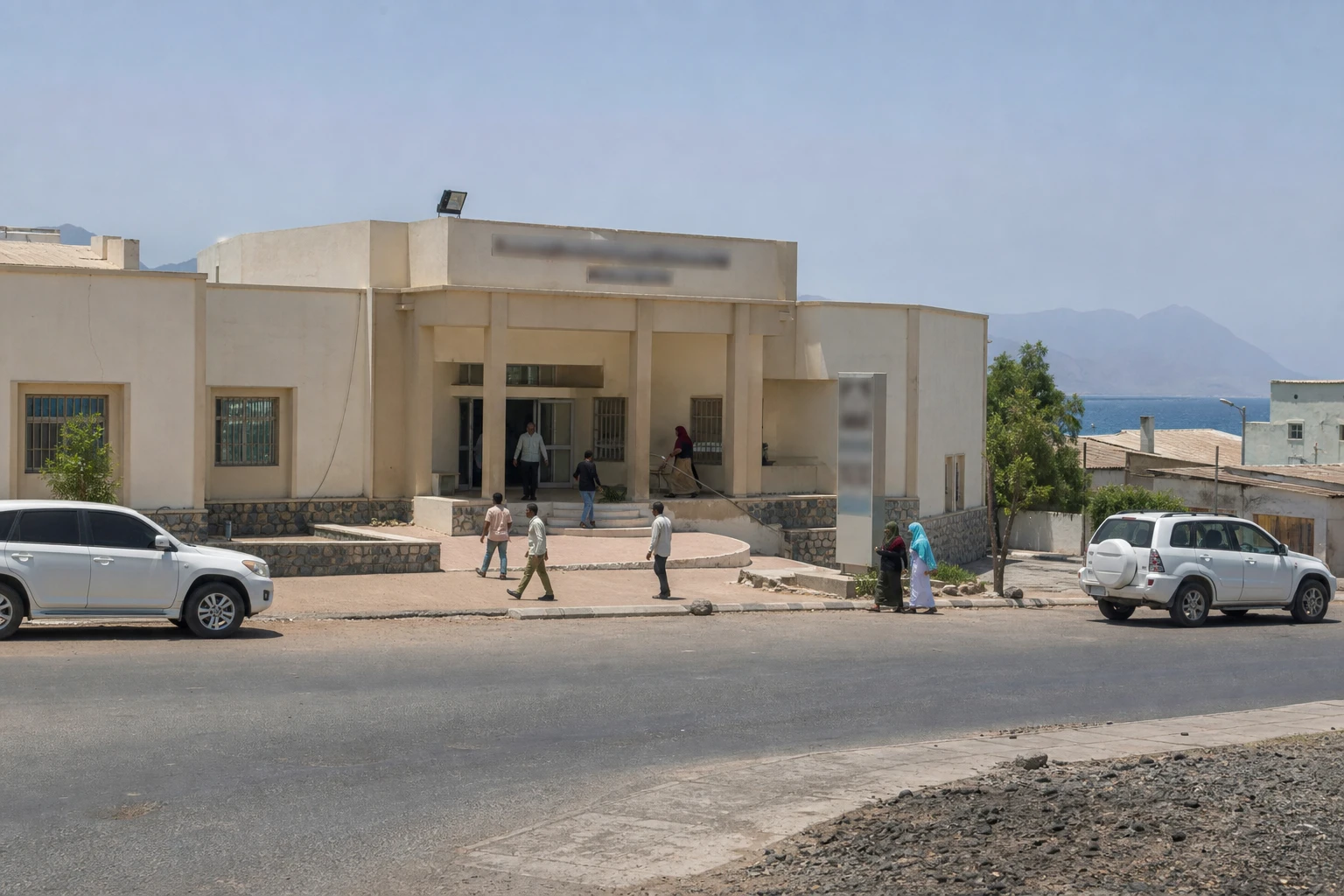
Just a few dozen kilometres from Yemen, the town of Obock is once again becoming a point of arrival for families fleeing the fighting. The movement is a reminder of a reality that is often overlooked: for people living around the Gulf of Aden, the sea is not merely a border. It can also become the last passage to safety.
Fresh pressure on northern Djibouti
Since the start of the military escalation in Yemen, several thousand people have crossed the Bab el-Mandeb Strait to reach Djibouti. UNHCR recorded nearly 3,000 arrivals in less than a week, as of 18 September 2026. Landings were reported in Obock, as well as near Khor Angar, Moulhoule and Godoria.
The figures vary according to the dates and counting methods used. The Djiboutian government and the United Nations said more than 2,776 people had arrived in the Obock region as of 16 September. Two days later, UNHCR reported nearly 3,000 people. The data therefore indicate a rapid increase, rather than a definitive tally.
Most of the new arrivals are Yemeni families. Initial assessments indicate that about 60% are women and children. Some people travelled in small boats, with little water or food and limited means of protecting themselves during the crossing.
The Djiboutian authorities are organising their reception with UNHCR, the International Organization for Migration and other United Nations agencies. People who disembark are transported to the Markazi site near Obock. There they receive temporary shelter, water, meals, essential items and initial access to healthcare.
The response also draws on Djibouti’s forces and public services. The navy, army, police and health teams are taking part in reception and referral operations. This mobilisation is significant for a small country already hosting refugees, mainly from Somalia and Ethiopia.
The memory of 2015 remains
Djibouti has experienced this kind of movement before. In March 2015, the first people fleeing the war in Yemen arrived in Obock. UNHCR then deployed a team to register them and refer them to reception facilities.
Over the following months, the Markazi site hosted Yemeni refugees. Some later left when the situation appeared less dangerous to them. Others remained in Djibouti, sometimes for several years. The new crisis is therefore bringing back people who had already experienced exile, then tried to rebuild their lives in Yemen.
This history weighs on the current response. Local authorities and humanitarian organisations have practical experience. They know how to organise transfers, registration and access to services. However, that experience does not remove the territory’s material constraints.
The Markazi refugee village was designed to host 5,000 people. As of 18 September, it was already sheltering more than 2,700 Yemeni refugees and about 1,500 Eritrean refugees, according to UNHCR. The remaining capacity could therefore be taken up quickly if arrivals continue at the same pace.
Essential services under strain
The first challenge is accommodation. New arrivals need protection from high temperatures, winds and the harsh conditions of northern Djibouti. Tents and communal spaces are not always sufficient when several hundred people arrive within a few days.
Water is another critical concern. Obock is in an arid region, where supplies require substantial logistical resources. A rapid increase in the population being hosted raises demand for drinking water, latrines and sanitation facilities.
Public health also requires particular vigilance. Overcrowding can facilitate the spread of diseases, including skin conditions and diarrhoeal illnesses. Medical teams must also treat injuries, dehydration and the physical effects of the sea journey.
Education is another immediate concern for children. Existing schools already have Djiboutian and refugee pupils, and their capacity is limited. UNHCR says it is working with the government to integrate newly arrived children, but this will require additional classrooms, equipment and staff.
The pressure is not borne by international organisations alone. It also affects the people of Obock. Local families sometimes share their food, space or transport with new arrivals. This solidarity builds ties, but can also strain households whose resources are already limited.
A national crisis within the Horn of Africa’s wider dynamics
The situation in Djibouti cannot be separated from that of the Horn of Africa. Arrivals from Yemen have also been reported in Somaliland and Puntland. These territories face their own humanitarian challenges and also have limited reception capacity.
Djibouti occupies a strategic position on the maritime routes linking the Red Sea, the Gulf of Aden and the Indian Ocean. The Bab el-Mandeb Strait is a major trade passage. Insecurity there complicates civilian movement, humanitarian operations and the flow of goods alike.
IOM data show that the crisis is also causing displacement within Yemen. As of 13 September, its tracking mechanism reported 85,818 displaced people, more than 82,000 of them since the start of the month. UNHCR subsequently cited more than 100,000 people displaced within the country, across several western and southern governorates.
These figures cover different periods and population categories. They nevertheless point to the same conclusion: the escalation is rapidly widening the affected area and pushing more families on to the roads of exile.
The next test will be how long the crisis lasts
UNHCR and the Djiboutian authorities are preparing for the arrival of at least 10,000 people. This projection includes refugees already present and those who may reach Djibouti in the coming months. It remains a humanitarian estimate, not a confirmed tally.
The pace of crossings will depend in particular on the intensity of the fighting, access to fuel and sea conditions. Aid agencies believe arrivals could rise when maritime conditions become more favourable, particularly in mid-October.
The response will therefore depend as much on Djibouti’s capacity as on international funding. UNHCR says its Djibouti operation was only 15% funded in mid-September and is seeking $5.1 million to provide reception, protection and essential services.
Djibouti faces a twofold challenge. The country must maintain its role as a refuge in an unstable region while ensuring that host communities do not bear the cost of this new crisis alone. For the Horn of Africa, the episode confirms a now enduring trend: conflicts on either side of the Red Sea generate displacement that quickly crosses national borders.