Algeria
 Egypt
 Libya
 Morocco
 Sudan
 Tunisia
 Benin
 Burkina Faso
 Cabo Verde
 Côte d'Ivoire
 Ghana
 Guinea
 Guinea-Bissau
 Liberia
 Mali
 Mauritania
 Niger
 Nigeria
 Senegal
 Sierra Leone
 The Gambia
 Togo
 Cameroon
 Central African Republic
 Chad
 DR Congo
 Equatorial Guinea
 Gabon
 Republic of the Congo
 São Tomé and Príncipe
 Burundi
 Comoros
 Djibouti
 Eritrea
 Ethiopia
 Kenya
 Madagascar
 Malawi
 Mauritius
 Mozambique
 Rwanda
 Seychelles
 Somalia
 Tanzania
 Uganda
 Angola
 Botswana
 Eswatini
 Lesotho
 Namibia
 South Africa
 Zambia
 Zimbabwe
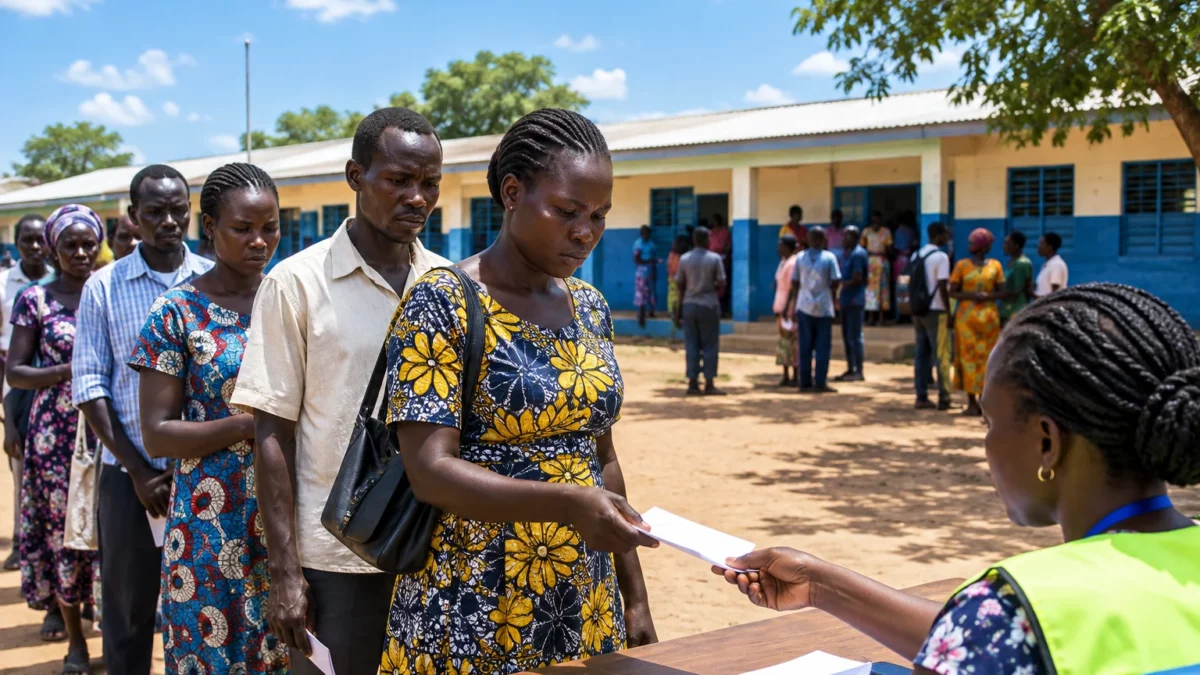
Lifting the state of emergency is not enough to guarantee a free campaign. In South Sudan, the decision opens up political space in four states, but does not resolve either local insecurity or the vulnerabilities of an election that has been postponed several times.
Exceptional measure ends in four states
President Salva Kiir lifted the state of emergency on Thursday 26 November in the states of Unity, Warrap, Lakes and Western Bahr el Ghazal. The announcement, reported the following day by Radio Tamazuj, ends measures introduced during the year in response to insecurity. The authorities have tasked the relevant defence, police and national security officials, as well as the governors, with implementing the decision.
These territories experience intercommunal violence, cattle theft and armed clashes. In rural areas, these tensions can disrupt travel and access to services. In cities, parties and candidates need to be able to organise meetings and move around. Lifting the state of emergency could therefore remove an administrative and political obstacle, without ensuring that roads are safe or that restrictions have disappeared everywhere in practice.
South Sudanese political scientist Boboya James Edimond believes the state of emergency failed to achieve its security objectives. He also calls for action on the causes of instability, including through development programmes and better access to essential services. His analysis highlights an important limitation: exceptional powers can strengthen the authorities’ control, but they cannot replace local mechanisms for mediation and civilian protection.
Campaign preparations amid a fragile electoral process
General elections are now scheduled for 11 February 2027, following a further postponement of the timetable originally set for 22 December 2026. They would be the first national elections since the country declared independence in 2011. The vote has already been delayed several times, notably because of difficulties in putting in place the necessary political, legal and material conditions.
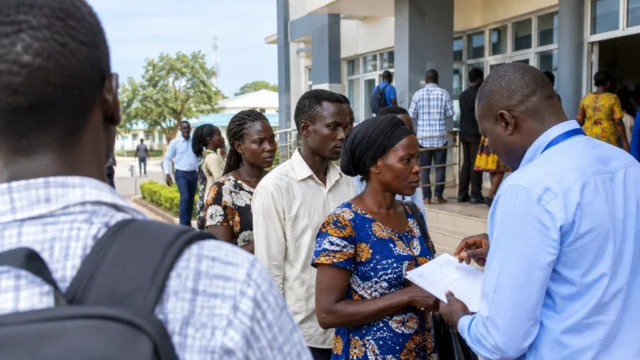
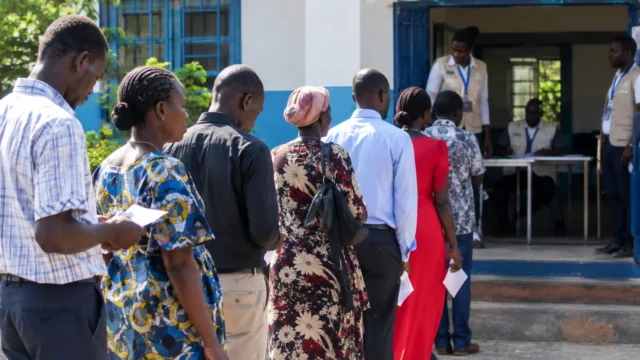
The electoral register is one of the immediate steps. The National Elections Commission had set voter registration for 14 to 28 November across the ten states and three administrative areas. South Sudanese media reported that around one million people had registered in the final days of the exercise. This figure gives an indication of participation in this stage, but is not enough on its own to assess the register’s coverage or access for residents in remote areas.
Freedom of movement for political parties is particularly important in a country where infrastructure and security vary considerably from one region to another. A campaign concentrated in the capital, Juba, would not give voters in distant states the same opportunities to hear candidates. Conversely, formally lifting emergency measures is not enough if the presence of armed groups or local tensions prevent meetings and travel.
Power-sharing remains at the heart of tensions
The electoral contest is part of a transition rooted in the 2018 revitalised peace agreement, which was designed to share power among the main protagonists of the civil war. Salva Kiir has led the country since independence. His political rival Riek Machar, a former first vice-president, has been detained since March 2025 and faces charges that he contests. His absence weighs on trust between the factions and on the opposition’s ability to participate under conditions considered fair.
The situation grew more tense after the president dissolved the transitional government and other institutions in September 2026, according to information considered by the United Nations Security Council. The election deadline must therefore be assessed beyond the timetable alone: it also depends on agreed rules, an open political space and credible security guarantees.
The African Commission on Human and Peoples’ Rights has expressed concern about the conditions for the vote and the risks associated with the absence of inclusive dialogue. The UN Mission in South Sudan has, for its part, reported clashes between government forces and opposition groups, as well as community violence in states such as Warrap and Lakes. These warnings do not mean that the vote will necessarily lead to a general resumption of fighting. They do, however, show that political de-escalation and civilian protection remain central issues.
A concern for East Africa and the African Union
South Sudan is a member of the Intergovernmental Authority on Development (IGAD), an East African regional organisation involved in mediation and peace processes. The country’s stability also matters to its neighbours, particularly because of population movements and cross-border trade. The African Union is also monitoring the implementation of the peace agreement and the conditions of the transition.
For South Sudanese people, the issue is a practical one: being able to register, travel and choose their representatives without intimidation or violence. The next step will be to see whether lifting the state of emergency actually leads to freedom of assembly and campaigning in the four states concerned. The timetable, meanwhile, will have to withstand logistical challenges and political disagreements. It is at this level — between national decisions and local realities — that the significance of the announcement will be measured.
Sources consulted: Radio Tamazuj report on the lifting of the state of emergency, voter registration timetable reported by Eye Radio, resolution of the African Commission on Human and Peoples’ Rights, briefing on the situation at the Security Council, Radio Tamazuj coverage of voter registration.