Algeria
 Egypt
 Libya
 Morocco
 Sudan
 Tunisia
 Benin
 Burkina Faso
 Cabo Verde
 Côte d'Ivoire
 Ghana
 Guinea
 Guinea-Bissau
 Liberia
 Mali
 Mauritania
 Niger
 Nigeria
 Senegal
 Sierra Leone
 The Gambia
 Togo
 Cameroon
 Central African Republic
 Chad
 DR Congo
 Equatorial Guinea
 Gabon
 Republic of the Congo
 São Tomé and Príncipe
 Burundi
 Comoros
 Djibouti
 Eritrea
 Ethiopia
 Kenya
 Madagascar
 Malawi
 Mauritius
 Mozambique
 Rwanda
 Seychelles
 Somalia
 South Sudan
 Tanzania
 Uganda
 Angola
 Botswana
 Eswatini
 Namibia
 South Africa
 Zambia
 Zimbabwe
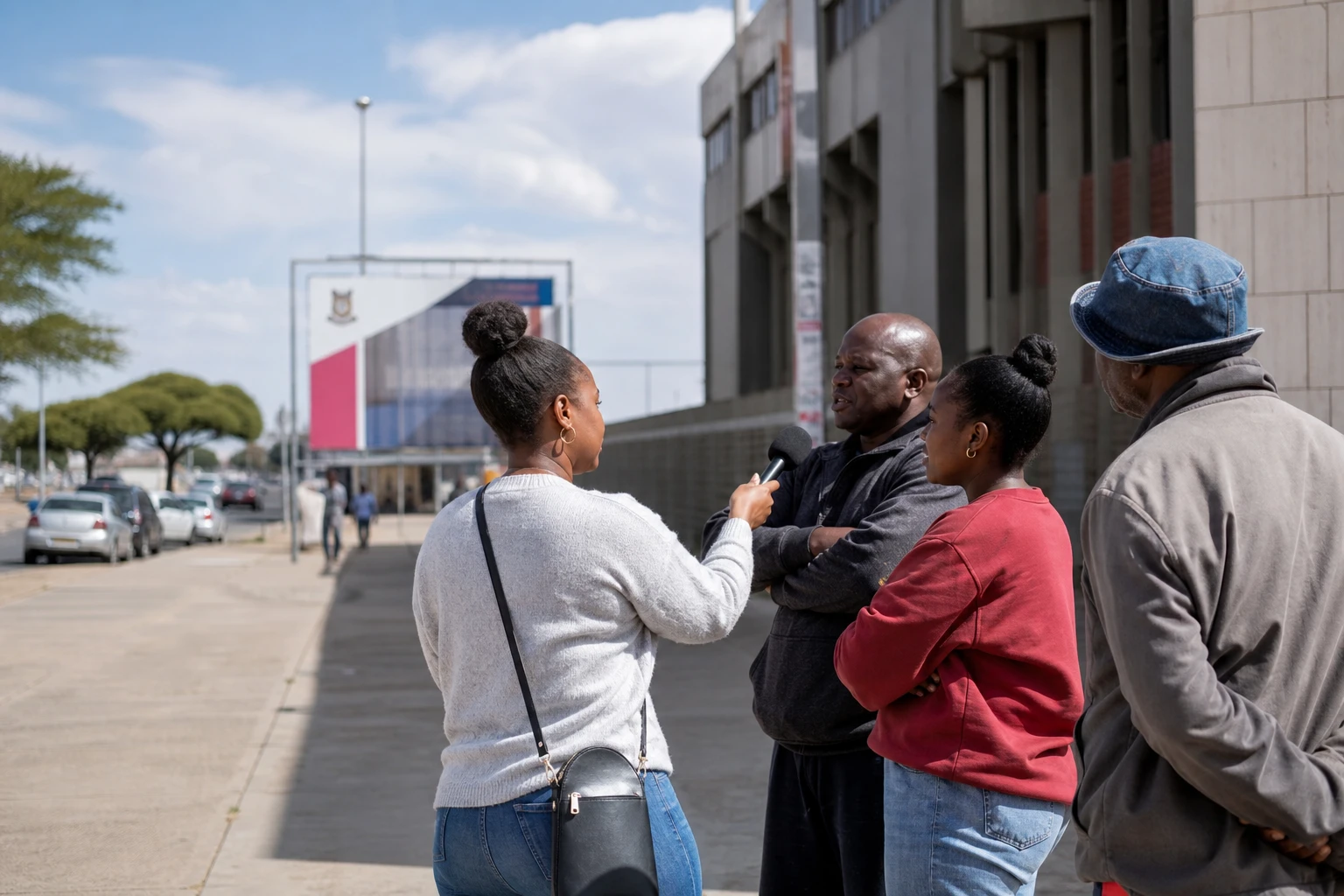
In Bloemfontein, Morocco will be playing for more than three points. The Atlas Lions will also seek to consolidate an exceptional position in the world rankings as their campaign for a place at AFCON 2027 enters a decisive phase.
A second matchday already carrying weight
Morocco will face Lesotho on Tuesday 29 September 2026 at 13:00 GMT at Toyota Stadium in Bloemfontein, South Africa. The match is part of the second round of qualifying for the 2027 Africa Cup of Nations.
Morocco began their campaign with a 2-0 victory over Gabon on Friday 25 September at Prince Moulay Abdellah Stadium in Rabat. Lesotho, meanwhile, lost 2-1 to Niger. That result gives Morocco an early opportunity to take sole possession of top spot in Group A.
The Confederation of African Football has confirmed the schedule for the second matchday. In the group’s other game, Gabon will host Niger on the same day.
The group brings together four teams with different profiles. Morocco start as favourites. Gabon have regular experience of African finals. Niger are seeking to establish themselves as a consistently competitive side in the region. Lesotho, meanwhile, are outsiders, but have already shown they can hold their own in the preliminary rounds.
Lesotho host far from Maseru
The match will be played hundreds of kilometres from Maseru, Lesotho’s capital. The Lesotho national team must use Toyota Stadium in Bloemfontein, South Africa, as they do not have a venue certified to host an international match at this level.
The move reduces the advantage usually associated with playing at home. It does not, however, make this a foregone conclusion. Lesotho know the regional environment of southern Africa well. Their players operate in conditions where travel, altitude and playing surfaces can affect the pace of a match.
Bloemfontein’s stadium is more than 1,300 metres above sea level. That could affect the physical demands of the match, particularly if Morocco set a high tempo from the opening minutes. The Atlas Lions will therefore need to control the pace without confusing territorial dominance with haste.
Sporting stakes and a ranking to defend
The win over Gabon put Morocco in a favourable position. Another victory would give them six points after two matchdays and strengthen their lead in the race to qualify. Under this format, the top two teams in groups without a host nation will qualify for the finals.
AFCON 2027 will be hosted by Kenya, Uganda and Tanzania. The three countries have qualified automatically as co-hosts. Group A does not include any of them, however, so the results for Morocco, Gabon, Niger and Lesotho will directly determine the qualifying places.
The qualifiers are due to resume in November 2026, before the final two rounds scheduled for March 2027. A strong start can give a team a valuable cushion ahead of away games and direct encounters at the end of the campaign.
The Bloemfontein match also carries particular significance for the FIFA rankings. Morocco are provisionally fifth in the world in the live rankings, following Brazil’s fall. That position is not yet official: FIFA’s next update is scheduled for 7 October 2026.
If confirmed, the achievement would equal the highest ranking ever reached by an African national team. Nigeria held fifth place in 1994. Morocco could therefore join the Super Eagles in the history of continental football, more than three decades after their record.
Caution is still warranted. The FIFA rankings are calculated using results, the status of matches and the strength of opponents. A draw or defeat against a lower-ranked team can cost more points than a win earns. The system does not measure only the result itself; it also takes account of an opponent’s sporting standing.
Ouahbi faces the challenge of consistency
For Mohamed Ouahbi, this international window is an opportunity to build on the win over Gabon. The coach has included several young players in his first squad, signalling a desire to develop the depth of the team while maintaining high standards.
Qualification remains the priority, however. Morocco cannot treat this match solely as a prestige exercise. A team that regularly targets the latter stages of African competitions must know how to win matches expected to be one-sided.
That is precisely where the danger lies. Against an opponent likely to defend deep, Morocco will need to find solutions in tight spaces. Set pieces, transitions and patient passing could matter more than possession.
Lesotho are likely to try to keep their lines close together and exploit Moroccan turnovers. After losing to Niger, the Lesotho national team need points to stay in contention. They therefore have no reason to spend the entire match defending without trying to respond.
A signal for African football
Morocco’s progress also illustrates the rise of an African national team capable of establishing itself at the highest international level. That momentum is built on results, but also on development, the organisation of clubs and experience gained in major competitions.
It is also a reminder that African qualifiers are about more than fixtures between major nations. Stadium certification requirements, travel, altitude and disparities in resources all have a strong influence on matches. Every team must contend with different circumstances depending on where a game is played.
For Morocco, the immediate goal is clear: return from Bloemfontein with a result that secures their qualification prospects and protects their FIFA ranking points. For Lesotho, the challenge is to turn a relocated home fixture into an opportunity to withstand one of the group favourites.
The next official world ranking update will come on 7 October. On the pitch, though, the first verdict will arrive on 29 September. It will show whether Morocco can turn their status as Africa’s leading side into a perfectly controlled start to their campaign.