Algeria
 Egypt
 Libya
 Morocco
 Sudan
 Tunisia
 Benin
 Burkina Faso
 Cabo Verde
 Côte d'Ivoire
 Ghana
 Guinea
 Guinea-Bissau
 Liberia
 Mali
 Mauritania
 Niger
 Nigeria
 Senegal
 Sierra Leone
 The Gambia
 Togo
 Cameroon
 Central African Republic
 Chad
 DR Congo
 Equatorial Guinea
 Gabon
 Republic of the Congo
 São Tomé and Príncipe
 Burundi
 Comoros
 Djibouti
 Eritrea
 Ethiopia
 Kenya
 Madagascar
 Malawi
 Mauritius
 Mozambique
 Rwanda
 Seychelles
 Somalia
 South Sudan
 Tanzania
 Uganda
 Angola
 Botswana
 Eswatini
 Lesotho
 Namibia
 Zambia
 Zimbabwe
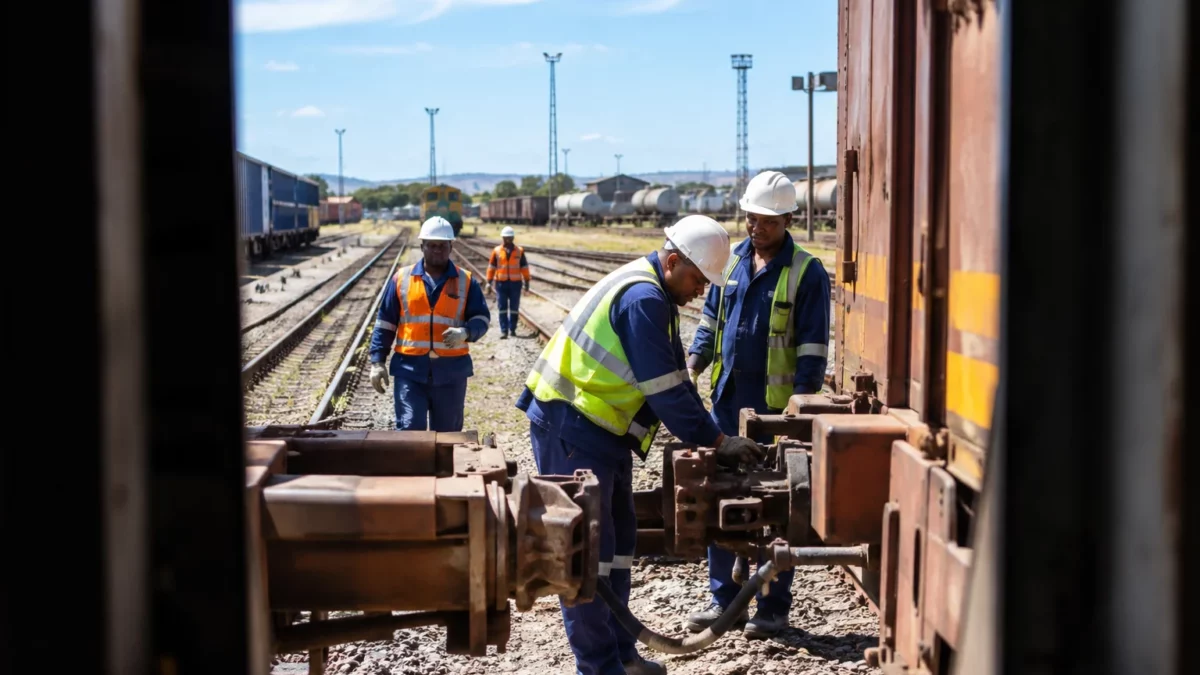
A more reliable electricity network and less congested ports could change daily life for South African businesses. But the promise of stronger growth will depend on reforms that translate into investment, economic activity and jobs — not just announcements.
An economy still far below its potential
South Africa, whose capital is Pretoria, is moving forward in a difficult environment. The International Monetary Fund (IMF) estimates that real gross domestic product will grow by 1% in 2026 and then by 1.3% in 2027. The South African government, meanwhile, forecasts growth of 1.2% this year. These different estimates converge on one point: economic activity remains weak.
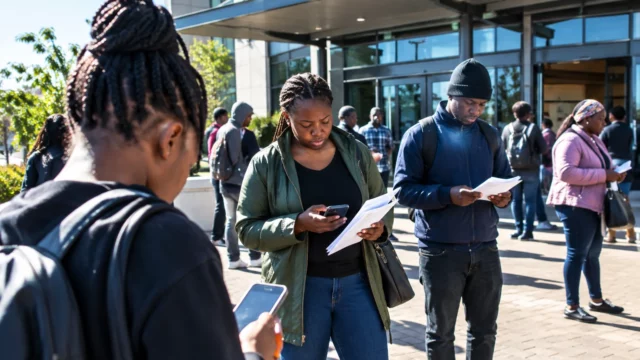
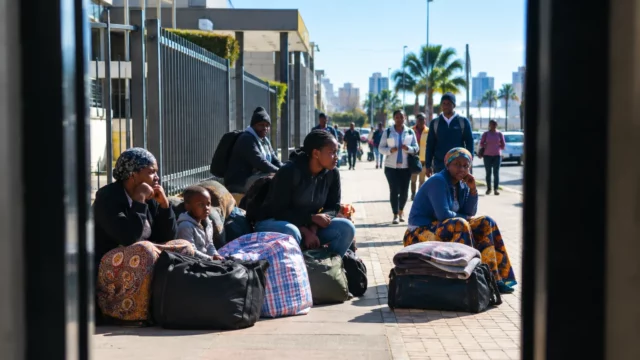
The labour market illustrates the scale of the challenge. According to Statistics South Africa, the official unemployment rate reached 33.7% in the third quarter of 2026. This national indicator complements, but is not directly comparable with, the rate of 32.9% cited in the IMF’s projections for the year. The difference is due to the periods and measurement methods used.
In its preliminary statement published on 24 November 2026, following an Article IV consultation mission, the IMF sets out a more ambitious scenario: growth could reach 4% in the medium term if a package of reforms is implemented. This is not its baseline forecast, but a conditional estimate. The institution also estimates that this programme could raise output by 9% in the medium term.
Electricity and transport, two decisive levers
The first area for action is electricity. The IMF recommends completing the separation of Eskom, the long-standing state-owned company, into generation activities and independent management of the transmission network. It also advocates accelerating investment in power lines and establishing a wholesale market governed by competition rules.
This transformation must, however, preserve the financial viability of the entities concerned and ensure reliable access to electricity. Progress has already been made: the IMF notes an increase in private generation and improved operations at Eskom. But it stresses that these advances have not yet led to a sufficient increase in investment, employment and growth.
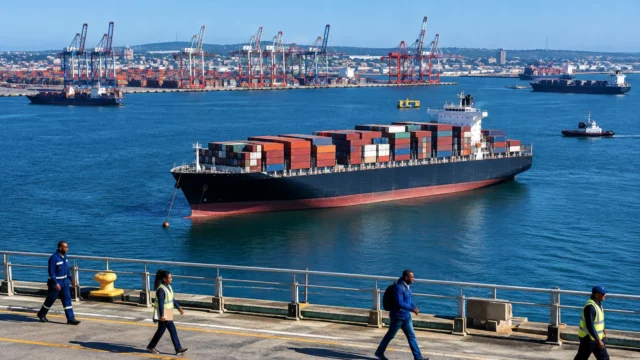
The second area is logistics. The Fund recommends restructuring Transnet, the state-owned operator at the heart of the rail and ports sectors, rehabilitating infrastructure and widening private-sector participation. Eleven private freight rail operators have been authorised to begin operations in 2027, according to the mission’s assessment. The aim is to improve the flow of goods, particularly for producers far from major ports.
Sharing the economic gains
Network reforms alone will not be enough to create more inclusive growth. The IMF also calls for licences and administrative procedures to be simplified, barriers to new businesses to be reduced and small firms’ access to finance to be improved. It also proposes reviewing some labour market rules, arguing that barriers to hiring weigh particularly heavily on young people and small businesses.
These proposals affect competing interests. Greater competition can open up opportunities for new players, but it also requires strong regulators and transparent oversight. Labour flexibility, for its part, does not in itself guarantee stable or better-paid jobs. The government will have to balance job creation, worker protections and service quality.
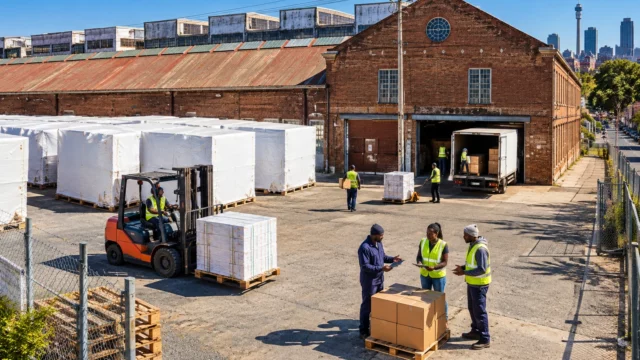
How the benefits are distributed will also matter. Exporting businesses can save time if ports and railways work better. Small businesses, informal workers and local communities will benefit from the changes only if infrastructure, skills and services also improve beyond the main economic hubs. The IMF also identifies water and municipal capacity as issues to address.
A national path with regional repercussions
South Africa’s roadmap is part of Operation Vulindlela, the government’s reform programme. The finance ministry shares the aim of accelerating structural change, while forecasting growth of 1.2% in 2026 and 1.6% in 2027. Pretoria also highlights investment in infrastructure and efforts to strengthen state capacity.
At regional level, the performance of South Africa’s networks matters for trade in southern Africa. Railways and ports connect producers to international markets and also serve as transit points for neighbouring economies. Improving their operation could therefore support regional trade, provided access to infrastructure remains predictable and new operators are effectively regulated.
The 4% figure thus remains a goal, not a certainty. It will depend on the implementation and financing of reforms, and on their ability to deliver visible results for businesses and households alike. The next steps to watch are the planned start of private rail operators in 2027 and the completion of the separation of the electricity and logistics networks.