Algeria
 Egypt
 Libya
 Morocco
 Sudan
 Tunisia
 Burkina Faso
 Cabo Verde
 Côte d'Ivoire
 Ghana
 Guinea
 Guinea-Bissau
 Liberia
 Mali
 Mauritania
 Niger
 Nigeria
 Senegal
 Sierra Leone
 The Gambia
 Togo
 Cameroon
 Central African Republic
 Chad
 DR Congo
 Equatorial Guinea
 Gabon
 Republic of the Congo
 São Tomé and Príncipe
 Burundi
 Comoros
 Djibouti
 Eritrea
 Ethiopia
 Kenya
 Madagascar
 Malawi
 Mauritius
 Mozambique
 Rwanda
 Seychelles
 Somalia
 South Sudan
 Tanzania
 Uganda
 Angola
 Botswana
 Eswatini
 Lesotho
 Namibia
 South Africa
 Zambia
 Zimbabwe
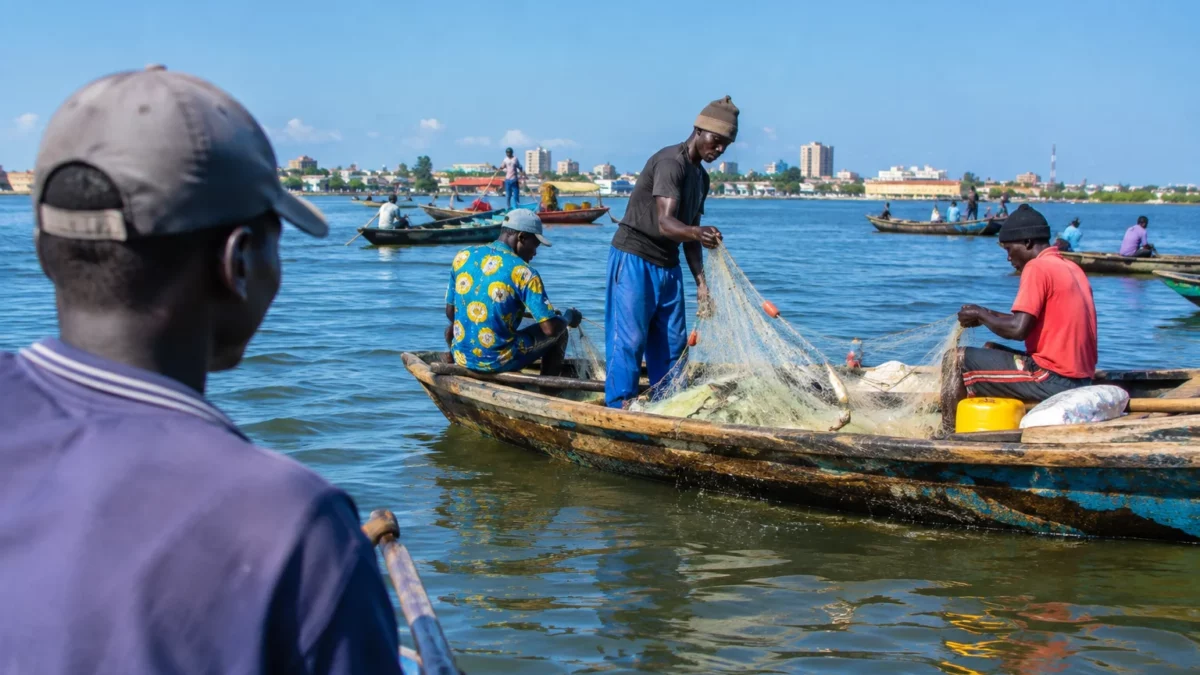
To connect Cotonou with its outskirts, Benin wants to turn Lake Nokoué and the Porto-Novo lagoon into fully fledged transport routes. The idea is a practical one: complement roads with boats in an urban area where journeys cross the boundaries of several municipalities.
A waterway network designed alongside other transport
The project is part of the Greater Nokoué Sustainable Urban Mobility Project (PMUD-GN), a programme aimed at improving travel in five municipalities: Cotonou, Porto-Novo, Abomey-Calavi, Ouidah and Sèmè-Podji. Greater Nokoué here refers to the main urban area in southern Benin, organised around these centres.
Technical studies dated 7 January 2025 envisage around 35 kilometres of navigable routes between Cotonou, Abomey-Calavi and Porto-Novo. The plan includes three lake transport platforms, notably in Abomey-Calavi, at Vossa, in Cotonou and in Porto-Novo. They could serve passengers, transport boats and fishing-related activities. However, the route and facilities are still subject to project studies: this does not mean the service is already operational.
The challenge is not simply to build landing stages. To be useful, a boat service must make it easy to connect with roads, buses and other modes of transport. Connections, timetables and fares will therefore matter as much as the distance covered on the water.
Funding secured, but operational choices remain open
The PMUD-GN represents a total estimated investment of $490 million. The World Bank approved $200 million in financing on 20 May 2025. The Asian Infrastructure Investment Bank (AIIB) subsequently approved $200 million in financing on 16 September 2025. The financing plan also includes $90 million in non-guaranteed commercial funding.
This budget covers a multimodal programme, not navigation alone. It includes measures for public transport, infrastructure, safety and travel management. The World Bank’s published targets — serving 270,000 people in an initial phase, then reaching 360,000 daily passengers in the longer term — apply to the public transport network as a whole. They are not a forecast of the number of boat users.
The available documents refer to electrification as an approach to sustainable mobility. However, they do not yet specify the number of boats, their capacity, the frequency of services or how they will be powered. These decisions will determine operating costs and the service’s ability to meet daily needs.
Navigability and the environment: two conditions for success
Before regular services can begin, sufficient depths will have to be maintained in the channels. The January 2025 technical study reports depths of around 1 to 2 metres in the areas examined and recommends channels of 3 to 4 metres, particularly to account for sediment build-up. Dredging — the removal of these deposits from the lake bed — is therefore central to the project, but it will also need to be carefully managed.
Lake Nokoué is part of a site recognised under the Ramsar Convention on wetlands. Environmental documents identify risks associated with the works, including habitat disruption, changes to water flows and effects on aquatic species. They also note risks linked to boat operations, such as fuel spills and navigation accidents. Managing these impacts will depend on monitoring measures and how they are implemented on the ground.
Local economic activities are also affected. Studies indicate that some acadjas — fishing structures installed in the water — could lie along the proposed route. Fish vendors and other stakeholders could also face disruption. The works will therefore need to include information, consultation and support measures, so that improved mobility does not simply shift its costs onto people whose livelihoods depend on the lake.
What residents stand to gain — or should keep an eye on
For passengers who regularly cross the lake or travel between outlying municipalities and Cotonou, a direct service could cut some road detours. It could also bring centres of activity and services closer together. But that benefit will depend on where stops are located, service regularity, safety on board and fares that are affordable for passengers.
Informal transport operators, particularly zemidjan and minibus drivers, are also part of the landscape the programme aims to change. A new public service could complement existing transport, but it could also redirect passenger flows and income. How these professionals are involved in organising the network will therefore be crucial.
At regional level, the project is part of a wider debate about mobility in West Africa’s large coastal cities. It will not automatically replicate the choices made in Abidjan or Lagos: lagoon geography, fishing practices and travel patterns are specific to Greater Nokoué. For Benin, the next step will be to turn the studies and approved funding into routes, facilities and services that can be assessed. Success will be measured both by time saved on journeys and by the ability to protect the lake’s ecosystems and livelihoods.