Algeria
 Egypt
 Libya
 Morocco
 Sudan
 Tunisia
 Benin
 Burkina Faso
 Cabo Verde
 Côte d'Ivoire
 Ghana
 Guinea
 Guinea-Bissau
 Liberia
 Mali
 Mauritania
 Niger
 Nigeria
 Senegal
 Sierra Leone
 The Gambia
 Togo
 Cameroon
 Central African Republic
 Chad
 DR Congo
 Equatorial Guinea
 Gabon
 Republic of the Congo
 São Tomé and Príncipe
 Burundi
 Comoros
 Djibouti
 Eritrea
 Ethiopia
 Kenya
 Madagascar
 Malawi
 Mauritius
 Mozambique
 Rwanda
 Seychelles
 Somalia
 South Sudan
 Tanzania
 Uganda
 Angola
 Botswana
 Eswatini
 Lesotho
 Namibia
 South Africa
 Zimbabwe
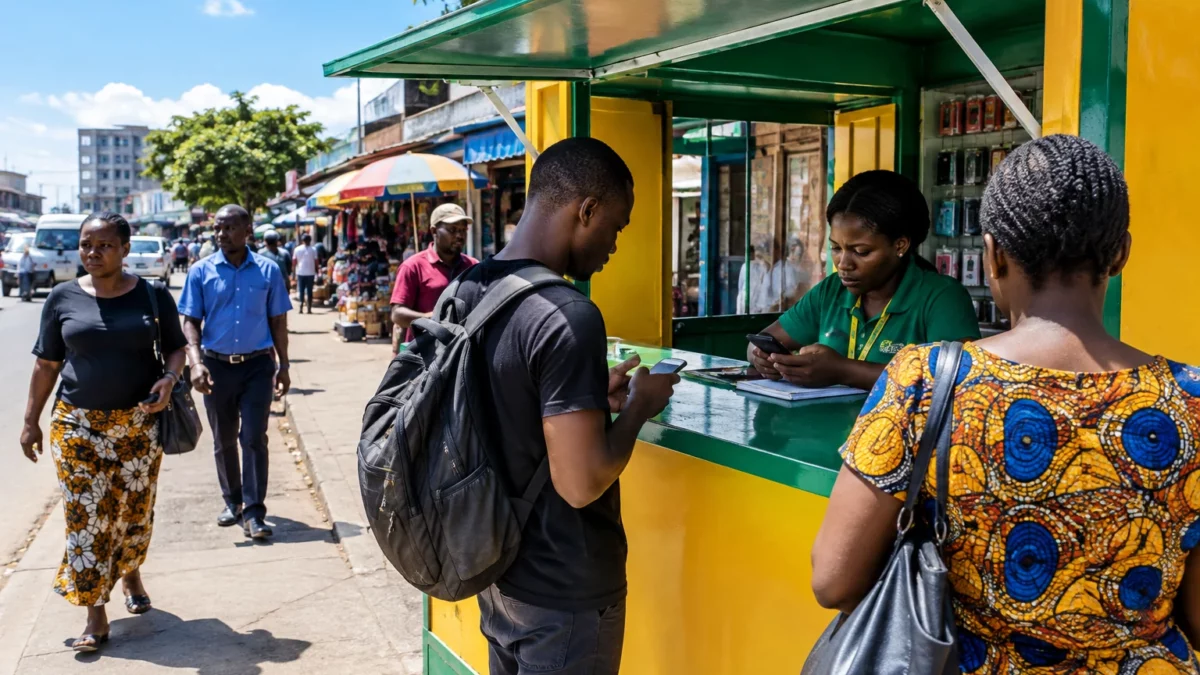
In Zambia, a phone already used to transfer money could also become a gateway to the stock market. The stakes are tangible: enabling more individuals to invest without mistaking a simpler process for a risk-free investment.
From mobile wallet to shares listed in Lusaka
Zambia’s financial market is centred on the Lusaka Securities Exchange (LuSE), the stock exchange in the capital. Until now, buying shares has generally involved opening an account with a licensed broker and completing specific procedures. Airtel Zambia aims to bring this process closer to everyday mobile money use.
The launch of “Airtel Money Buy Shares” was announced on Wednesday 18 November 2026. The service would allow users of the MyAirtel app to buy shares listed on the LuSE using their Airtel Money wallet. A Zambian media outlet reports that the platform was developed with Veste Money, an investment management company. However, publicly available information does not yet set out all the fees, minimum purchase amounts or selling procedures.
This caveat matters. Buying a share means acquiring part of a company, and its price can rise or fall. Access via a phone may reduce the amount of paperwork, but it guarantees neither returns nor protection against losses.
The Lusaka Stock Exchange says securities transactions must be handled by authorised intermediaries. In Zambia, the Securities and Exchange Commission (SEC) oversees capital markets and requires companies conducting regulated activities to hold a licence. The SEC also says investors should check providers’ status. For this new service, the respective roles of Airtel, Veste Money and any brokers involved will therefore need to be clear to the public.
A marked gap between payments and investment
Official figures show why operators are seeking to turn payment wallets into broader financial tools. According to the results of the FinScope 2025 survey, published by the Bank of Zambia, mobile money use among adults reached 76.1% in 2025, up from 58.4% in 2020. Over the same period, access to capital market products rose from 0.6% to 13.8%.
The Bank of Zambia attributes some of this increase to the adoption of digital platforms that provide access to collective investments and shares by phone. The data point to a shift, but do not mean that all users have invested directly in the stock market: the products counted cover several forms of investment.
The gap between the two types of use nevertheless remains significant. Mobile money is already part of the payments and transfers made by many Zambians. Building on this habit could lower some barriers to access, particularly for people far from traditional financial services. But an app alone cannot address questions of disposable income, reliable connectivity, financial literacy or trust in markets.
The impact could also vary by location and occupation. In Lusaka, where financial services are more concentrated, digital access can complement existing channels. In rural areas, network quality, data costs and the availability of agents will matter more. For small traders and workers with irregular incomes, the technical ability to invest does not mean that money can be tied up without putting day-to-day spending at risk.
An opening to regulate, not just promote
The simplicity of the interface should not obscure the rules governing a stock market transaction. The LuSE says a buy order must go through an authorised intermediary and that investors must receive information about the price, commissions and settlement. For the new channel, users will need to understand the applicable fees, how shares are held, the time needed to sell and the remedies available in the event of a dispute.
The SEC says that entities carrying out brokerage or investment advice activities must hold the appropriate authorisation. This requirement protects market integrity and savers. It also makes clear communication about providers’ identities, each party’s responsibilities and how clients’ data and funds are protected essential.
For Airtel, the initiative forms part of a broader diversification by telecoms companies seeking new growth opportunities in digital financial services. For the stock exchange, it could broaden the retail investor base and support more direct participation in funding listed companies. But the impact will also depend on the liquidity of shares — how easily they can be bought or sold without causing excessive price movements — and on the quality of information published by companies.
An issue that extends beyond Zambia
The move is part of a regional trend. The Southern African Development Community (SADC), a regional economic integration organisation, supports the development of and co-operation between capital markets. Its Protocol on Finance and Investment aims, among other things, to strengthen transparency, liquidity and links between member stock exchanges, including the one in Lusaka.
In this context, mobile platforms can help widen individuals’ access to domestic markets. However, they do not replace regulatory oversight or efforts to improve financial education. Zambia’s experience will also be watched across the continent, as digital payment services become potential gateways to savings and investment in several countries.
The next points to watch are therefore very concrete: the fees actually charged, minimum amounts, the companies available, resale conditions and the authorisations held by intermediaries. If this information is clear and safeguards are in place, phones could bring more Zambians closer to the LuSE. Otherwise, ease of access could outpace clients’ ability to assess the risks they are taking.