Algeria
 Egypt
 Libya
 Morocco
 Sudan
 Tunisia
 Benin
 Burkina Faso
 Cabo Verde
 Côte d'Ivoire
 Ghana
 Guinea
 Guinea-Bissau
 Liberia
 Mali
 Mauritania
 Niger
 Nigeria
 Senegal
 Sierra Leone
 The Gambia
 Togo
 Cameroon
 Central African Republic
 Chad
 DR Congo
 Equatorial Guinea
 Gabon
 Republic of the Congo
 São Tomé and Príncipe
 Burundi
 Comoros
 Djibouti
 Eritrea
 Ethiopia
 Kenya
 Madagascar
 Malawi
 Mauritius
 Mozambique
 Rwanda
 Seychelles
 South Sudan
 Tanzania
 Uganda
 Angola
 Botswana
 Eswatini
 Lesotho
 Namibia
 South Africa
 Zambia
 Zimbabwe
In Mogadishu, the dispute with Abu Dhabi is no longer just about foreign partnerships. It touches on a central question in Somali political life: who can negotiate on behalf of the country and decide the fate of its ports and security?
The disagreement pits the federal government against several regional administrations, which are defending their autonomy in a state still taking shape. Port investment and Emirati military cooperation have grown in this fragmented institutional landscape. Today, Mogadishu presents them as a matter of sovereignty; regional authorities dispute the federal government’s right to unilaterally cancel the agreements they have concluded.
Warning after January’s break
On 17 November 2026, President Hassan Sheikh Mohamud accused the United Arab Emirates (UAE) of supporting armed forces outside the national chain of command and fuelling political divisions. The following day, Somalia’s foreign ministry reiterated its rejection of any interference and called on Abu Dhabi to deal with Somalia through the federal government.
These are allegations made by the Somali authorities. In themselves, they do not establish the alleged facts. The president’s remarks and the ministry’s statement nevertheless indicate that the diplomatic crisis remains unresolved, several months after Mogadishu’s decision on 12 January 2026 to cancel its agreements with the UAE, including those relating to the ports of Berbera, Bosaso and Kismayo, as well as military and security cooperation. Reuters and the Anadolu Agency reported the decision in January.
At the time, the authorities in Somaliland, Puntland and Jubaland had rejected the federal government’s authority to cancel agreements concluded directly with their administrations. The dispute therefore also pits different levels of Somali government against one another, rather than involving only two governments. It is part of a long-running debate over the division of powers, revenues and control of resources.
Ports at the heart of the federal power struggle
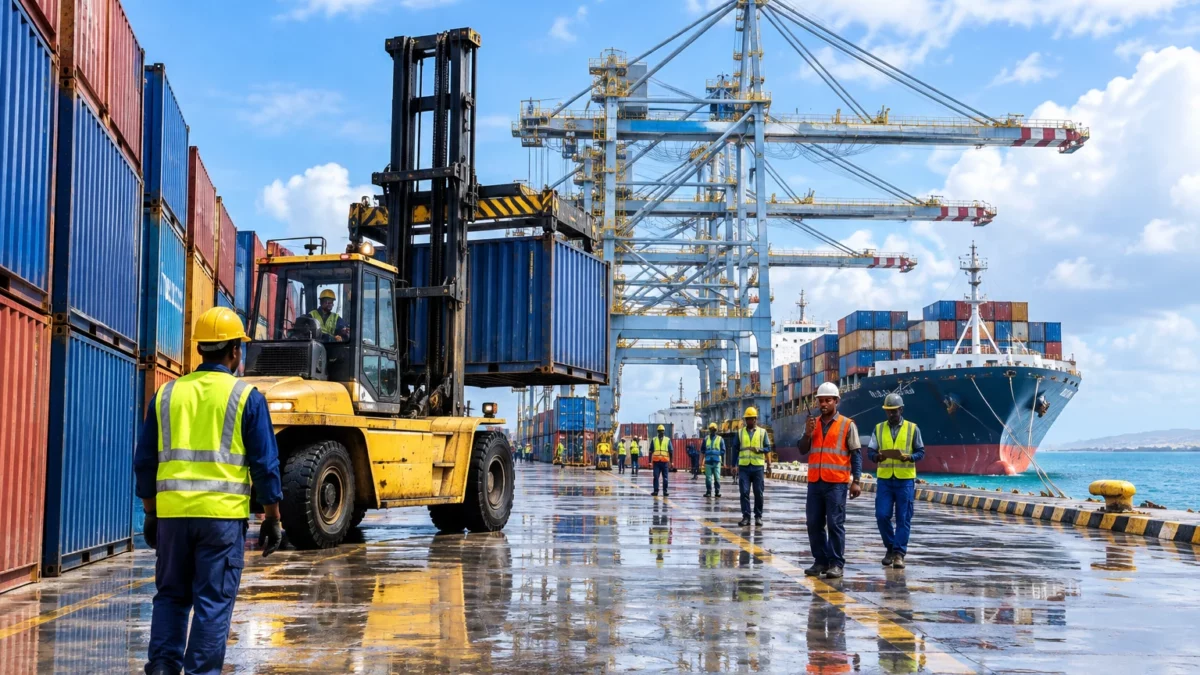
Emirati interests involve strategic infrastructure on Somalia’s coast. In Berbera, in Somaliland, DP World secured a port concession in 2016. In Bosaso, in Puntland, a subsidiary of the group, P&O Ports, concluded a management and development agreement in 2017. The United Nations Security Council had already documented these agreements and the tensions they caused between the federal government and the regions.
Somaliland declared independence in 1991 but is not internationally recognised as a sovereign state. Mogadishu therefore considers Berbera a Somali port and disputes agreements concluded without its approval. Somaliland’s authorities, for their part, claim the right to make decisions for their territory. In Bosaso, Puntland also defends its regional room for manoeuvre. These competing positions make the practical implementation of a cancellation announced by the federal government uncertain.
The legal and political crux goes beyond the question of concessions. A UN report noted as early as 2017 that disputes between the federal government and regional administrations over ports and their revenues could undermine the country’s stability. The immediate questions are who authorises partnerships, who collects the revenues and who is responsible for security around these sites.
Diplomatic crisis amid domestic tensions
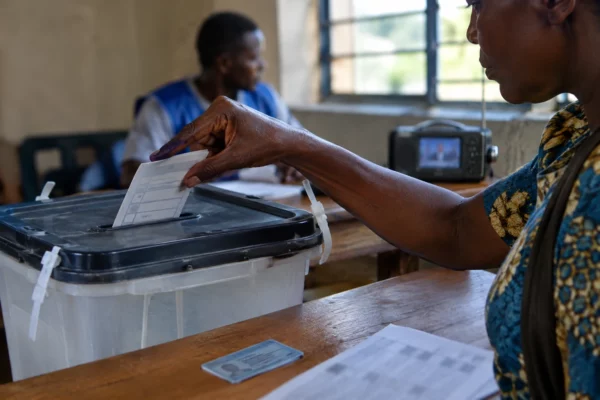
The power struggle comes as Somali institutions face a period of intense challenge. On 6 November 2026, the Supreme Court ruled that the extension of the presidential term was illegal and called for elections to be held within 90 days, according to the Associated Press. The dispute also concerns the voting system and constitutional changes. Puntland and Jubaland are among the actors challenging the president’s reforms.
This domestic crisis gives particular weight to allegations of foreign support for political or armed forces. It does not, however, allow the conclusion that the accusations against the UAE have been substantiated. Rather, it shows why any security cooperation agreed outside the federal framework has become politically explosive: rival authorities see it as a lever that could alter the balance of power in the country.
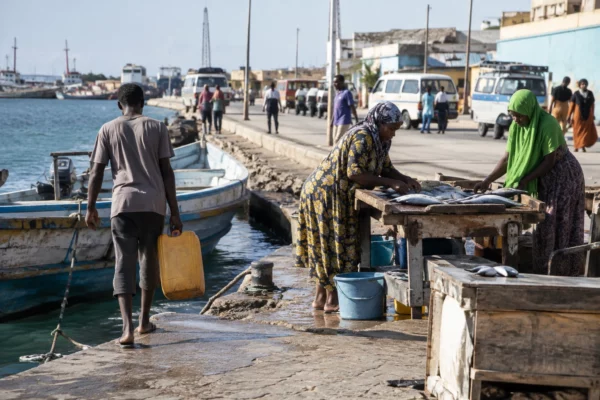
For residents, the effects of a breakdown in relations will not be felt equally. Ports are hubs for trade, employment and public revenue. Transport operators, port workers and local businesses could be affected by uncertainty over contracts or operations. Regional administrations, for their part, are defending revenues and partnerships they consider important to their economies. The federal government is seeking to impose a common national position, but will have to accommodate these local interests.
Implications for the Horn of Africa
Somalia is a member of the Intergovernmental Authority on Development (IGAD), a regional organisation in East Africa. The dispute with the UAE is unfolding in a Horn of Africa where ports, trade routes and security alliances shape relations between states. A lasting breakdown could complicate regional coordination, while a negotiated agreement would require clarifying the roles of the federal government and regional administrations.
The January precedent highlights the gap between a political decision taken in Mogadishu and its acceptance by the local authorities concerned. The next step will therefore be less a new declaration than a clarification: will the two countries resume dialogue, and can federal and regional officials agree on a common framework for port and security agreements? Without a domestic compromise, Somali diplomacy risks remaining divided as maritime and regional stakes grow.