Algeria
 Egypt
 Libya
 Morocco
 Sudan
 Tunisia
 Benin
 Burkina Faso
 Cabo Verde
 Côte d'Ivoire
 Ghana
 Guinea
 Guinea-Bissau
 Liberia
 Mali
 Mauritania
 Niger
 Nigeria
 Senegal
 Sierra Leone
 The Gambia
 Togo
 Cameroon
 Central African Republic
 Chad
 DR Congo
 Equatorial Guinea
 Gabon
 Republic of the Congo
 São Tomé and Príncipe
 Burundi
 Comoros
 Djibouti
 Eritrea
 Ethiopia
 Kenya
 Madagascar
 Malawi
 Mauritius
 Mozambique
 Rwanda
 Seychelles
 South Sudan
 Tanzania
 Uganda
 Angola
 Botswana
 Eswatini
 Lesotho
 Namibia
 South Africa
 Zambia
 Zimbabwe
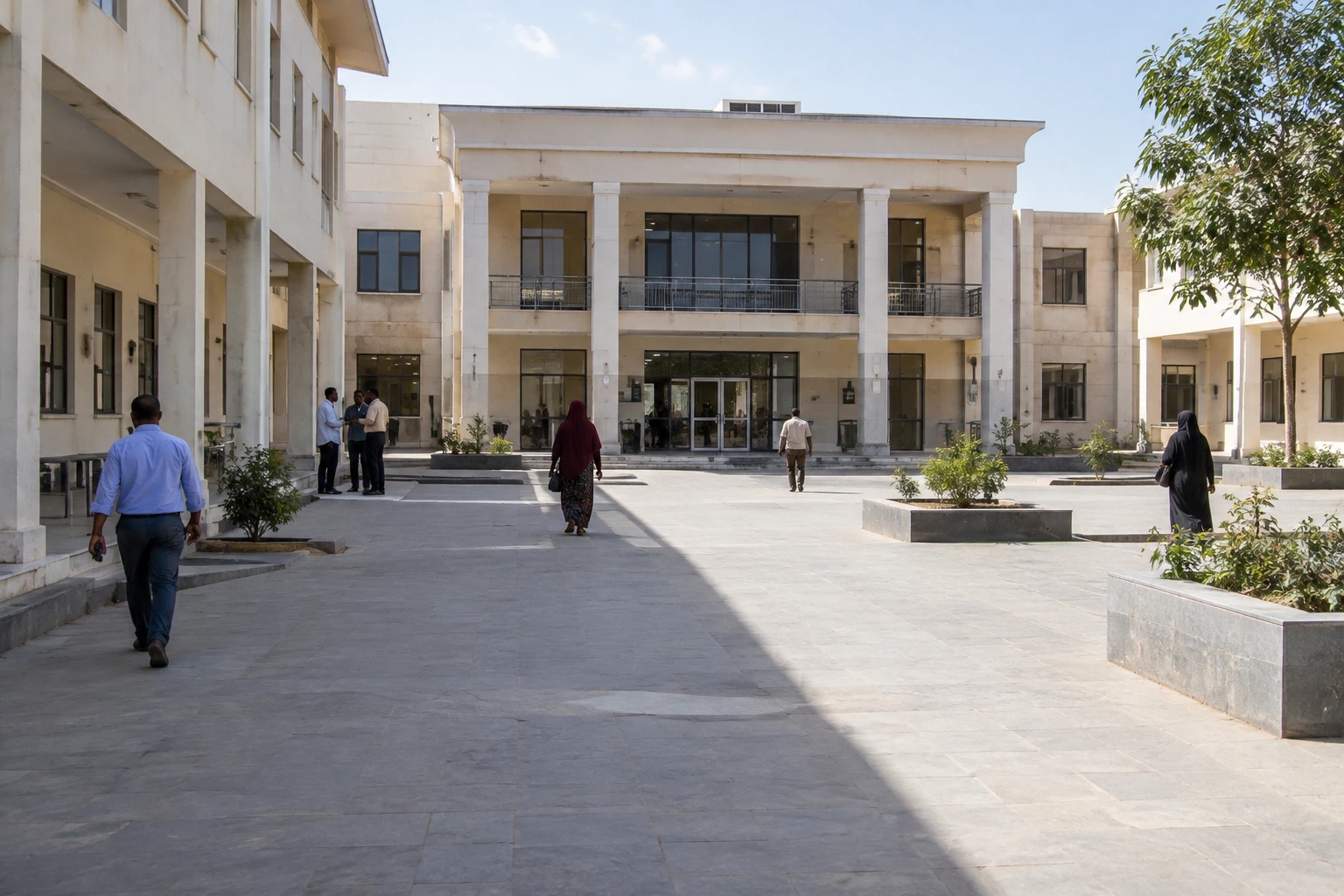
In Mogadishu, disagreement over the length of the presidential term has moved beyond the halls of Parliament and the courts. It now touches on a practical question: which institution can impose an outcome when the presidency, the judiciary and the opposition do not recognise the same rules of the game?
An electoral deadline becomes an institutional conflict
Somalia is a federal republic. The central government must work with the federal member states, including Puntland and Jubaland, as well as a political system long organised around a clan-based representation formula. Replacing it with direct elections is an important goal, but requires agreement on the rules, timetable and responsibilities of each institution.
The crisis therefore goes beyond the term of President Hassan Sheikh Mohamud. It also concerns how to amend the provisional constitution, the role of the federal parliament and the place of regional authorities. In a federation where relations between Mogadishu and some member states are already strained, a contested reform can undermine the entire political compromise.
The precedent of 2021 is also weighing on people’s minds. A previous term extension, under President Mohamed Abdullahi Mohamed, had triggered a political crisis and armed clashes in the capital. This memory explains the fears expressed by residents, without making further violence inevitable.
Supreme Court challenges the extension
On 5 November 2026, the Supreme Court ruled that the one-year extension of Hassan Sheikh Mohamud’s term was illegal. According to several consistent reports, it found that the constitutional amendments adopted in March could not apply retroactively to the current term. According to the decision reported by the press, that term had ended in May.
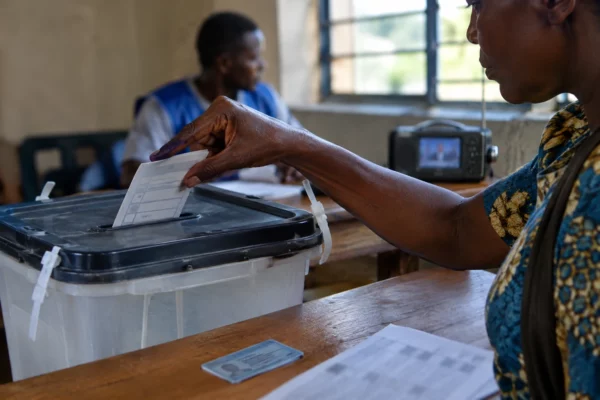
The Court called on political leaders to agree on an electoral framework within 30 days and set a 90-day deadline for holding elections. This timetable conflicts with the one announced by the electoral commission, which had scheduled parliamentary elections for April 2027 and a presidential election for May 2027.
The decision came the day after the president of the Court, Bashe Yusuf Ahmed, was dismissed, a move announced by the presidency. The opposition says troops were deployed around the court and that the judge was allegedly the target of an attempted arrest. These claims have not been independently confirmed in the information available. They must therefore remain attributed, rather than being presented as established fact.
On 6 November, the office of the attorney general challenged the legal validity of the Supreme Court’s decision, according to Somali media outlet Goobjoog. This response adds a new episode to the standoff: the question is no longer only what the Court decided, but also whether its decisions will be recognised and enforced by other institutions.
In the capital, opposing views and shared concern
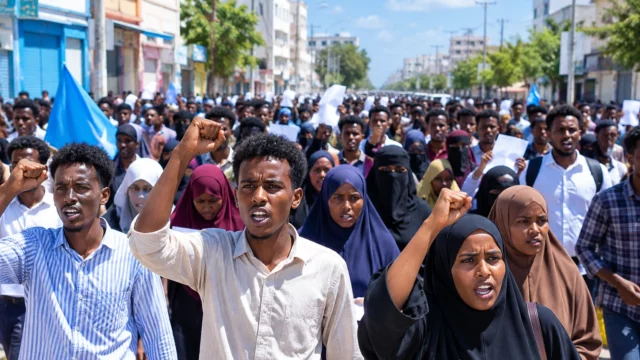
Residents interviewed in Mogadishu have different interpretations of the crisis. Abdullahi Hassan Sheikh believes the Court’s decision must be respected in the name of the rule of law. Osman Mohamed Osman shares this view and urges the president to avoid an escalation that could lead to a new internal confrontation.
Mohamed Farah Ahmed, by contrast, considers the decision wrong. He argues that the president of the Court was in office when the new Constitution was approved. These statements reflect views expressed in the capital; on their own, they do not represent a measure of Somali public opinion as a whole.
Disagreement over electoral reforms has already led to tensions. MPs and opposition figures boycotted the constitutional vote in March, with some saying they had been prevented from taking part. In June, rival factions clashed in Mogadishu. The reports consulted do not make it possible to establish a consolidated casualty toll here.
For residents of the capital, political instability can disrupt travel, commercial activity and public services. In the regions, the issue is also the distribution of power between the federal government and local authorities. Political actors are negotiating the electoral rules; the public, meanwhile, bears the consequences when rivalry spills onto the streets.
Political crisis amid security pressures
The institutional conflict is unfolding as the Somali government continues its fight against Al-Shabaab, an armed group affiliated with Al-Qaeda that is waging a long-running insurgency. Somali forces are supported by the African Union Support and Stabilisation Mission in Somalia, AUSSOM. A prolonged political crisis could complicate coordination between the federal government, the member states and the forces engaged in security operations.
The regional dimension is immediate. IGAD, the Intergovernmental Authority on Development, brings together several countries in the Horn of Africa and has previously called for dialogue and restraint during periods of tension in Somalia. The African Union and the United Nations are also monitoring political and security developments in the country.
These external partners are themselves in a period of change. The United Nations political mission in Somalia completed its mandate at the end of October 2026. Uganda, the main troop contributor to the African mission, has announced the withdrawal of its soldiers by the end of 2027. The transfer of responsibilities to Somali institutions is therefore taking place as the central government must demonstrate that it can manage both security and a serious political disagreement.
The pan-African significance of this episode lies in a familiar challenge: how to uphold constitutional limits on power while preserving a negotiated political transition. The answer will depend not only on the wording of the court decision. It will also depend on its implementation, an agreement between the federal government and regional authorities, and the ability of the parties to agree on elections considered credible.
The next deadlines are fast approaching. The 30-day period set by the Court for agreement on an electoral framework and the 90-day deadline for holding elections put political leaders under pressure. But since the attorney general has challenged the authority of the decision, its timetable remains at the heart of the conflict. In Mogadishu, uncertainty now surrounds the ballot as much as the authority that will be able to set its rules.