
 Algeria
 Egypt
 Libya
 Morocco
 Sudan
 Tunisia
 Benin
 Burkina Faso
 Cabo Verde
 Côte d'Ivoire
 Ghana
 Guinea
 Guinea-Bissau
 Liberia
 Mali
 Mauritania
 Niger
 Senegal
 Sierra Leone
 The Gambia
 Togo
 Cameroon
 Central African Republic
 Chad
 DR Congo
 Equatorial Guinea
 Gabon
 Republic of the Congo
 São Tomé and Príncipe
 Burundi
 Comoros
 Djibouti
 Eritrea
 Ethiopia
 Kenya
 Madagascar
 Malawi
 Mauritius
 Mozambique
 Rwanda
 Seychelles
 Somalia
 South Sudan
 Tanzania
 Uganda
 Angola
 Botswana
 Eswatini
 Lesotho
 Namibia
 South Africa
 Zambia
 Zimbabwe
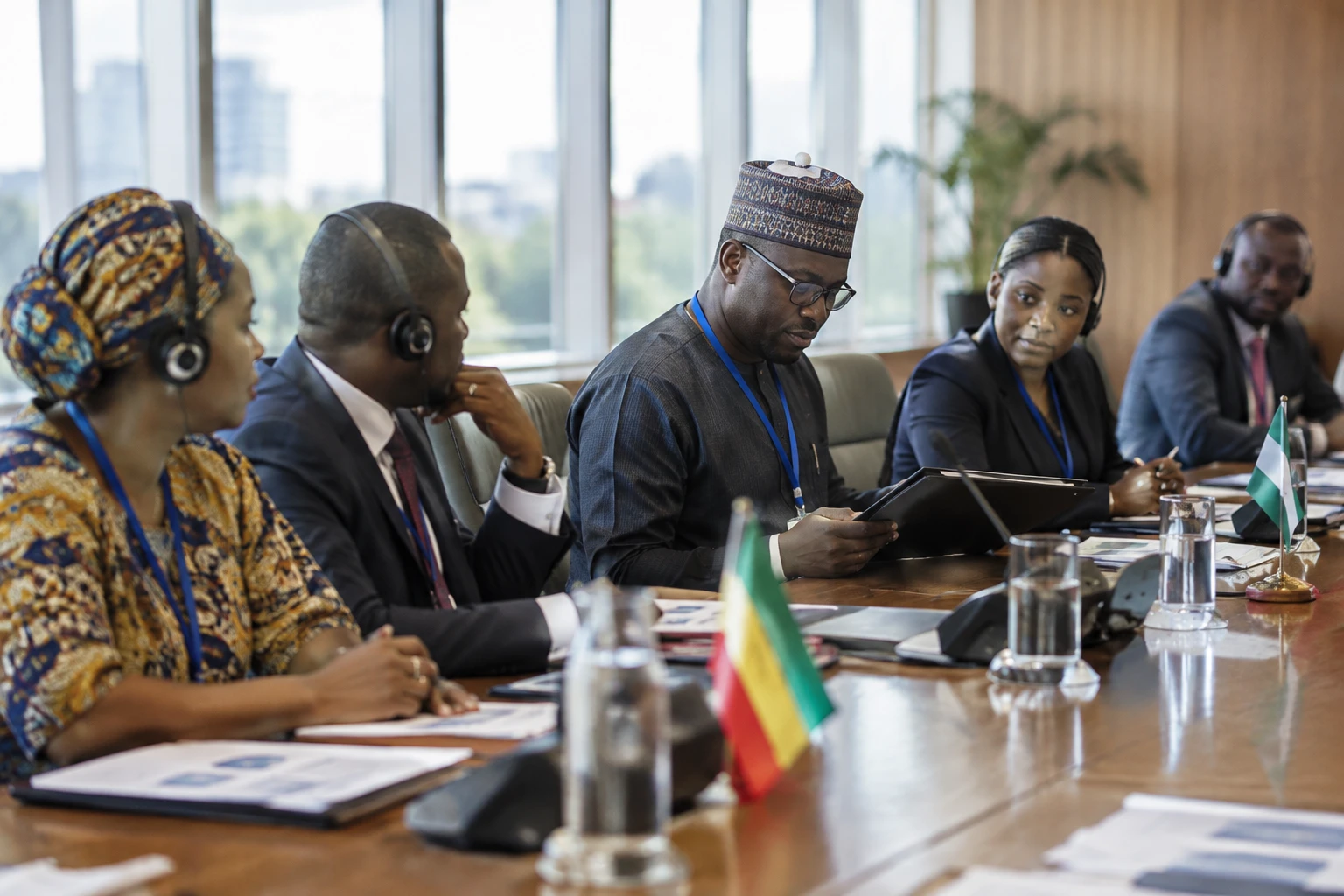
In Nigeria, the price of petrol affects far more than motorists filling their tanks. It influences the cost of transport, goods and electricity generated by private generators. Against this backdrop, a temporary discount at the national oil company’s stations has reignited a political and economic question: is Abuja reversing the 2023 reform? Finance Minister Taiwo Oyedele says no, but the episode shows just how sensitive the reform remains.
A limited price cut, but a closely watched political signal
The federal government announced on 8 October 2026 a temporary reduction in the price of petrol sold at Nigerian National Petroleum Company (NNPC) stations. The measure was due to last 30 days, with public transport operators given stated priority. NNPC said its initiative applied to its own stations and did not set a uniform national price.
The company says the reduction is absorbed by its commercial margin, rather than funded by the federal budget. It says it began the discount on 1 October, as part of Nigeria’s independence celebrations, and extended it until 31 October. These details, published by NNPC, describe the mechanism the company says it is using; they do not mean that consumers are spared price volatility elsewhere in the country.
On 17 October, on the sidelines of the annual meetings of the International Monetary Fund (IMF) and the World Bank in Bangkok, Taiwo Oyedele ruled out a return to subsidies on petrol imports and multiple exchange rates. He acknowledged that the discount had prompted questions from investors, credit rating agencies and international financial institutions. The minister maintained that the state had not paid the difference between the cost of fuel and its selling price.
Statements made in Abuja on 8 and 9 October, NNPC’s clarifications and remarks reported in Bangkok converge on the central point: the authorities present the discount as a temporary commercial decision, not a public subsidy. However, its limited duration and availability through NNPC’s network alone distinguish it from a nationwide scheme that would lower prices for all consumers.
Since 2023, the cost of reform remains visible
President Bola Tinubu announced the end of the subsidy at his inauguration on 29 May 2023. The reform was intended to reduce a heavy public spending burden and free up resources for other priorities. But removing the support also passed changes in the oil market and exchange rate more directly on to consumers. Higher transport costs then increase the cost of moving goods and household expenses.
The effects are not the same for everyone. Transport operators and small businesses that use vehicles or generators feel fuel costs immediately. Employees who rely on public transport may face higher fares, even if they do not own a car. Formal businesses can sometimes pass on some of their costs; small traders and households often have less room to do so.
The debate is therefore not only about fiscal discipline. It is also about how to distribute the cost of adjustment and make the promise of support for households credible. In its 2026 economic review of Nigeria, the IMF recommends targeted cash transfers and notes difficulties in establishing whether the savings expected from ending subsidies are actually reaching public accounts. This finding helps frame the debate, but does not by itself settle the question of how the current discount is being funded.
The Fund had also stressed in 2023 the importance of protecting vulnerable people during the reform. Targeted assistance can limit the cost to public finances compared with a general price cut, but it requires eligibility criteria, regular payments and adequate coverage. The difficulty is tangible: relief at the pump is immediately visible, while the effectiveness of assistance depends on access and delivery.
Between investor confidence and household confidence
For Oyedele, restoring the subsidy would risk weakening state finances and investor confidence. He also warned that reversing the reform could put pressure on the naira, Nigeria’s currency, by fuelling capital outflows. This position is consistent with the economic strategy the government has pursued since 2023: allow prices and the exchange rate to reflect the market more fully, rather than maintain multiple exchange-rate regimes or subsidised fuel prices.
But a reform’s consistency is also measured by its consequences in everyday life. A discount limited to NNPC’s network can offer some motorists and transport operators a respite. It guarantees neither the same price at every station nor a lasting reduction in transport costs. If households do not see an accessible compensation mechanism, the fiscal case may prove less persuasive than the amount paid at the pump.
The proximity of the presidential election adds a political dimension. Nigeria’s Independent National Electoral Commission has set the presidential and legislative elections for 16 January 2027. Opposition figures, including Peter Obi and Atiku Abubakar, have argued for restoring subsidies. Critics of the temporary discount view it as a short-term measure ahead of the vote. This allegation is part of the political debate; the available evidence is not enough to establish that the decision was made to influence the election.
A national issue that extends beyond the borders
Nigeria, West Africa’s largest economy, is a member of the Economic Community of West African States (ECOWAS), which organises regional economic co-operation. Changes in fuel prices have cross-border effects: they alter transport costs and can influence trade and price differences between neighbouring countries. Nigeria’s reform is therefore also of interest to regional stakeholders, even though each country has its own energy policies and markets.
The NNPC discount does not, in itself, change the regional framework or Nigeria’s official pricing policy. The issue to watch is how Abuja balances three objectives: keeping public finances under control, cushioning households from shocks and providing guarantees to investors. The central question will not simply be whether the subsidy returns. It will also be important to see whether temporary support reaches public transport users, what happens after 31 October and whether the targeted assistance announced actually offsets some of the increase in spending.
NNPC sets out the terms and period of its petrol discount. Nigerian outlet Premium Times reports the minister’s explanation of how it is funded. The IMF had called for vulnerable people to be protected after the reform.



