Algeria
 Egypt
 Libya
 Morocco
 Sudan
 Tunisia
 Benin
 Burkina Faso
 Cabo Verde
 Côte d'Ivoire
 Ghana
 Guinea
 Guinea-Bissau
 Liberia
 Mali
 Mauritania
 Niger
 Nigeria
 Senegal
 Sierra Leone
 The Gambia
 Togo
 Cameroon
 Central African Republic
 Chad
 DR Congo
 Equatorial Guinea
 Gabon
 Republic of the Congo
 São Tomé and Príncipe
 Burundi
 Comoros
 Djibouti
 Eritrea
 Ethiopia
 Kenya
 Madagascar
 Malawi
 Mauritius
 Mozambique
 Rwanda
 Seychelles
 Somalia
 South Sudan
 Tanzania
 Uganda
 Angola
 Eswatini
 Lesotho
 Namibia
 South Africa
 Zambia
 Zimbabwe
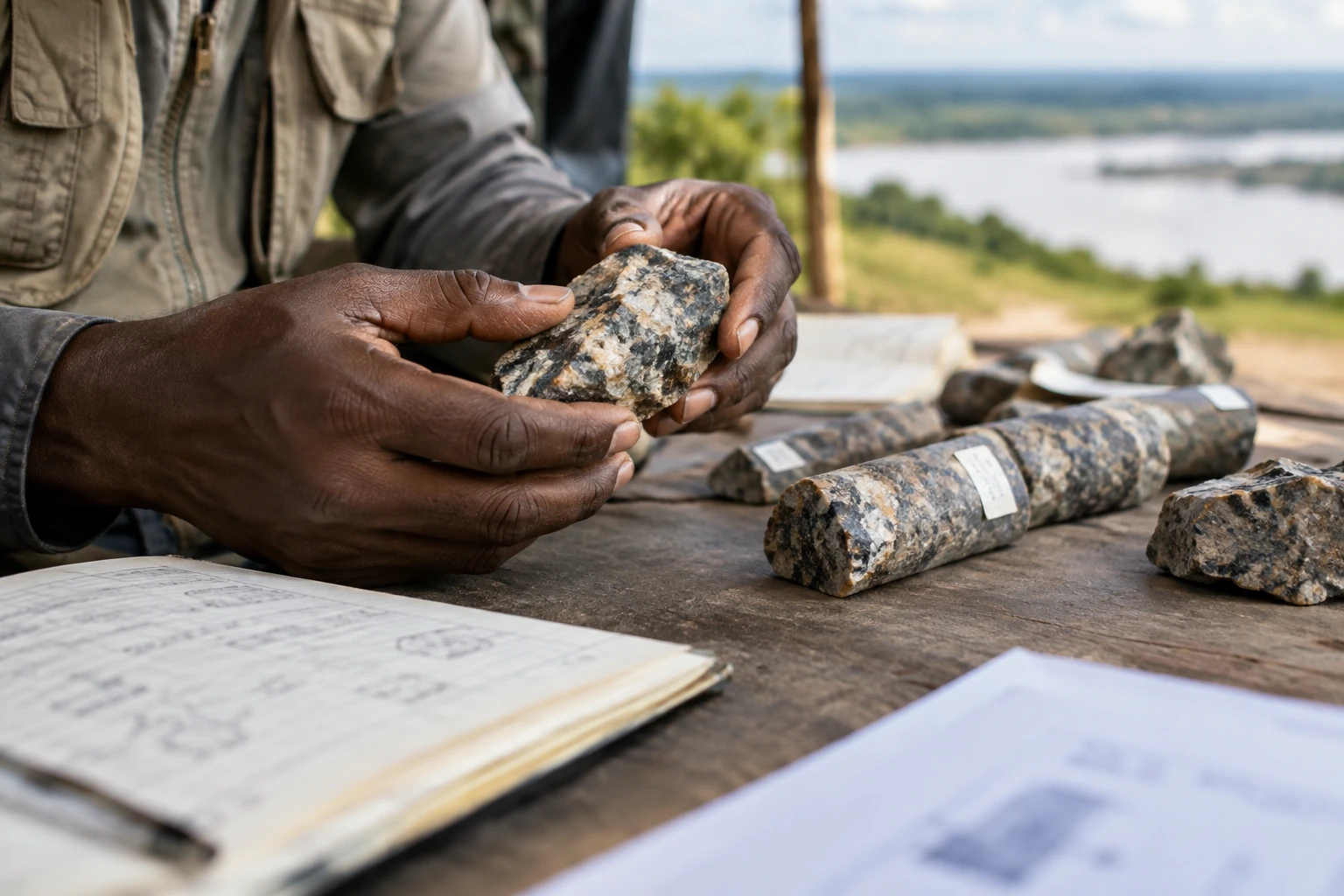
Setting up a subsidiary does not yet provide access to the subsoil. For Tsodilo Resources, opening entities in the Democratic Republic of the Congo (DRC) and Namibia marks a first administrative step, not the launch of new mining operations. Exploration rights still have to be negotiated.
Targeted areas, no permits announced
The Canadian company announced on 14 October 2026 that it had registered Tsodilo DRC SARLU in the DRC and Namibia Mineral Resources (Pty) Limited in Namibia. It says it intends to deploy its exploration expertise, geophysical equipment and drilling rigs there. Its activities, however, remain focused mainly on Botswana, where it is exploring, among other things, the Gcwihaba rare earths project.
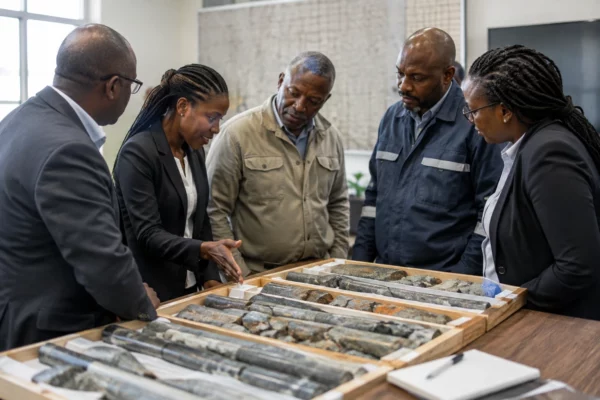
In the DRC, Tsodilo cites two provinces as areas of interest: Haut-Lomami, in the south-east of the country, and Tshopo, in the north-east. It mentions lithium, tantalum, niobium and copper. In Namibia, its focus is on the Kunene region in the north-west, for copper and polymetallic mineralisation — areas that may contain several metals.
But the company does not say that it has acquired a project or obtained a licence in these regions. It says discussions are under way with rights holders or the relevant authorities, while acknowledging that no agreement is guaranteed. Its stated optimism therefore remains a management claim, not confirmation of an investment under way.
The DRC seeks to regulate access to resources
The DRC plays a major role in global copper and cobalt supply chains. Tsodilo’s announcement, however, concerns areas far from the country’s main industrial copper belt, concentrated in the south. Exploration in Haut-Lomami or Tshopo first requires establishing the geological potential, then securing rights and access conditions for the land.
This process goes through the Congolese Mining Cadastre, the body responsible for registering and managing mining titles. Its register allows active rights to be checked, while the Mining Code sets out the applicable procedures. Setting up a local subsidiary may make it easier for a company to complete formalities, but it is no substitute for a permit or regulatory obligations. The DRC Mining Cadastre details the procedures for obtaining titles.
This matters for the provinces and their residents. At this stage, no local jobs, drilling programme or public revenue linked to Tsodilo has been announced. Such effects could only be assessed after titles are granted and concrete activities begin. Any benefits would also depend on local agreements, the jobs actually created and the share of added value generated in the country.
The choice of Tshopo also extends the exploration map beyond the best-known mining areas. But “potential” does not mean a discovery: surveys and drilling are needed to determine whether a resource exists, its size and whether it would be viable to exploit. The company has not yet reported any such results for its DRC targets.
In Namibia, interest must also translate into rights
Namibia has an established mining industry and a national framework distinct from that of the DRC. For Tsodilo, targeting Kunene also remains at the opportunity-seeking stage. The announcement confirms neither a concession nor an exploration campaign in the region. Next steps will depend on negotiations and the necessary approvals.
In both countries, the subsidiaries signal an intention to expand the company’s portfolio. They prove neither the presence of economically viable deposits nor a decision to develop them. For an exploration company, the distance between an area deemed promising and an operating mine is measured in studies, financing, permits and years of work.
Tsodilo presents this diversification as a way to reuse its technical capabilities developed in Botswana. The strategy may reduce dependence on a single country, but it also exposes the company to several procedures and regulatory environments. Its announcement gives no timetable for drilling in the DRC and Namibia, or budget for these efforts.
A race for minerals, but benefits remain hypothetical
Copper, lithium, tantalum and niobium are sought after for various industrial supply chains, including electrification and technology equipment. This demand is increasing companies’ interest in new territories. It does not, however, guarantee that every exploration project will succeed, or that producer countries will automatically capture more value.
For Kinshasa and Windhoek alike, the issue goes beyond the arrival of a new operator. It also concerns control of titles, transparency of agreements, protection of territories and local economic benefits. National rules and priorities are not interchangeable: the DRC and Namibia must each balance their own development goals and mining governance.
At regional level, the announcement illustrates investors’ growing attraction to the continent’s mineral resources, without yet constituting a cross-border project or an agreement between states. The concrete sign to watch will be the granting of licences in the targeted areas. Only then will work programmes and their results make it possible to assess whether this administrative presence leads to genuine exploration.
The announced facts have been cross-checked against the company’s statement and an independent publication by Sika Finance. The Congolese mining register and procedures can be consulted through the DRC Mining Cadastre.