Algeria
 Egypt
 Libya
 Morocco
 Sudan
 Tunisia
 Benin
 Burkina Faso
 Cabo Verde
 Côte d'Ivoire
 Ghana
 Guinea
 Guinea-Bissau
 Liberia
 Mali
 Mauritania
 Niger
 Nigeria
 Senegal
 Sierra Leone
 The Gambia
 Togo
 Cameroon
 Central African Republic
 Chad
 DR Congo
 Equatorial Guinea
 Gabon
 Republic of the Congo
 São Tomé and Príncipe
 Burundi
 Comoros
 Djibouti
 Eritrea
 Ethiopia
 Kenya
 Madagascar
 Malawi
 Mozambique
 Rwanda
 Seychelles
 Somalia
 South Sudan
 Tanzania
 Uganda
 Angola
 Botswana
 Eswatini
 Lesotho
 Namibia
 South Africa
 Zambia
 Zimbabwe
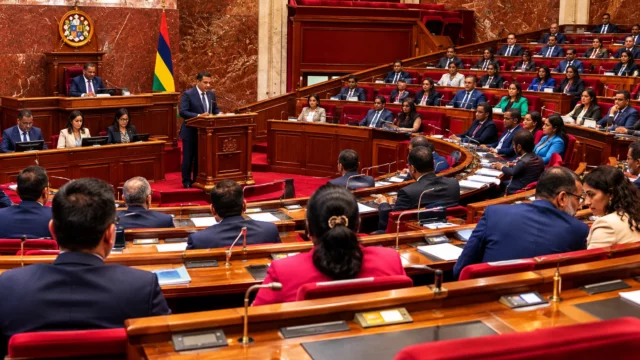
In Mauritius, anger over water cuts took on a new dimension after a young woman was seriously injured by a gunshot during a police operation. Within days, two issues that had previously been distinct — access to an essential service and police accountability — found themselves at the heart of the same crisis of confidence.
A daily emergency becomes a flashpoint
In the days before the violence, residents in several localities had protested against prolonged interruptions to the water supply. In La Caverne and Phoenix, residents called in early October for sufficient water to fill their household reserves. The Mauritius Broadcasting Corporation reported that the Central Water Authority cited the drying up of the Mare-aux-Vacoas reservoir and a technical fault among the causes of the shortage. The Mauritian public broadcaster’s report on water cuts in Phoenix thus places the crisis before the street unrest.
On 9 October, in Camp-Levieux, Élodie Thomas, 27, was hit by a gunshot as she was returning home. The exact circumstances remain subject to the investigation. Mauritian radio station Radio One reported that the sergeant involved was in custody and that her family was calling for a transparent investigation. The Human Rights Commission, for its part, called for an independent judicial inquiry. The details reported by Radio One on the Élodie Thomas case shed light on the family’s demands, while the Human Rights Commission is calling for an independent inquiry.
According to information published by Radio One on 12 October, the investigation was transferred to the Central Criminal Investigation Department. Three other officers from Camp-Levieux police station were reportedly removed from their duties for failing to assist a person in danger, while the sergeant is the subject of the investigation into the shooting. These facts do not in themselves establish criminal responsibility: that must be determined through judicial proceedings. Radio One details the transfer of the investigation to the Central CID.
Curfew, an immediate response to violence
During the night of 12–13 October, groups blocked roads, burnt tyres and damaged public property, according to reports published by the local and international press. These acts followed the outrage sparked by the shooting, against a backdrop already marked by protests over difficulties in the water supply. The authorities also referred to possible coordinated actions and alleged links to drug-trafficking networks. These are allegations made by the authorities and, without publicly available and verifiable evidence, do not establish the motives of all those involved.
Prime Minister Navin Ramgoolam announced a curfew from 8.30pm to 6am on 13 October. The decree, issued under the Police Act, designated fifteen zones, including Port Louis and several urban centres. It provided for exceptions for certain medical emergencies and essential journeys. The measure ended at 6am on 14 October: it was therefore a time-limited night-time restriction, not a curfew that remains in force. The Tourism Authority’s statement sets out the zones and exemptions. The authorities announced that they would reassess the situation after the first night.
The figure of fifteen zones is the one given in the official statement. It differs from some initial reports that referred to ten regions: the two descriptions should not be confused. The restrictions affected residential neighbourhoods and urban centres, as well as the night-time movements of workers, families and small businesses. Exemptions were provided, particularly for medical care and certain essential needs. The practical effects, however, depend on access to information and the ability to obtain authorisation where required.
Public trust at the heart of the test
A curfew can reduce movement and prevent further clashes in the short term. It does not resolve either the circumstances of the shooting or the difficulties that had prompted residents to protest over water. For residents facing cuts, the immediate issue remains the regularity of supply. For Élodie Thomas’s family and rights advocates, the question is also whether the investigation will be independent and transparent, and lead to judicial decisions.
This distinction matters. Acts of vandalism must be established and dealt with according to the law. At the same time, they cannot take the place of an examination of the facts surrounding the police operation. A credible investigation and explanations about water management are two responses sought by different groups, but both weigh on trust in institutions.
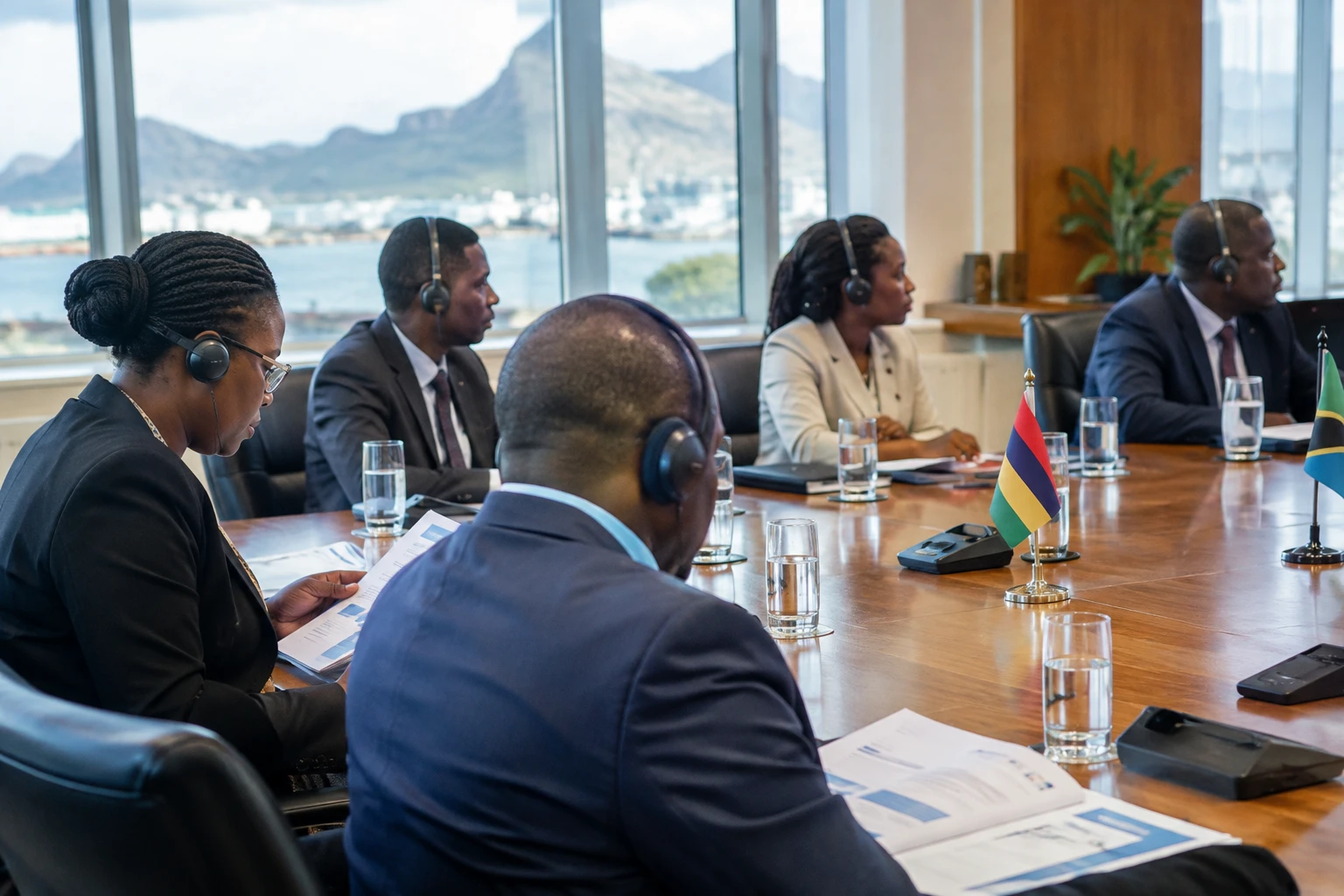
The situation concerns an island state in the Indian Ocean, whose capital is Port Louis, and not an abstract crisis on a continental scale. Mauritius is a member of the Southern African Development Community (SADC), a regional organisation of sixteen states that lists cooperation, peace and security among its objectives. The official list of SADC member states confirms this regional membership.
For Mauritius and its partners, the next milestones will be the progress of the investigation, decisions by the judicial authorities and the response to water shortages. A return to calm in the streets will not be enough to bring this episode to a close if residents do not see progress on both issues. The events are a reminder, at regional level, that a security restriction can contain an emergency, but trust also depends on accessible public services and prompt scrutiny of police accountability.