Algeria
 Egypt
 Libya
 Morocco
 Sudan
 Tunisia
 Benin
 Burkina Faso
 Cabo Verde
 Côte d'Ivoire
 Ghana
 Guinea
 Guinea-Bissau
 Liberia
 Mali
 Mauritania
 Niger
 Nigeria
 Senegal
 Sierra Leone
 The Gambia
 Togo
 Cameroon
 Central African Republic
 Chad
 DR Congo
 Equatorial Guinea
 Gabon
 Republic of the Congo
 São Tomé and Príncipe
 Burundi
 Comoros
 Djibouti
 Eritrea
 Ethiopia
 Madagascar
 Malawi
 Mauritius
 Mozambique
 Rwanda
 Seychelles
 Somalia
 South Sudan
 Tanzania
 Uganda
 Angola
 Botswana
 Eswatini
 Lesotho
 Namibia
 South Africa
 Zambia
 Zimbabwe
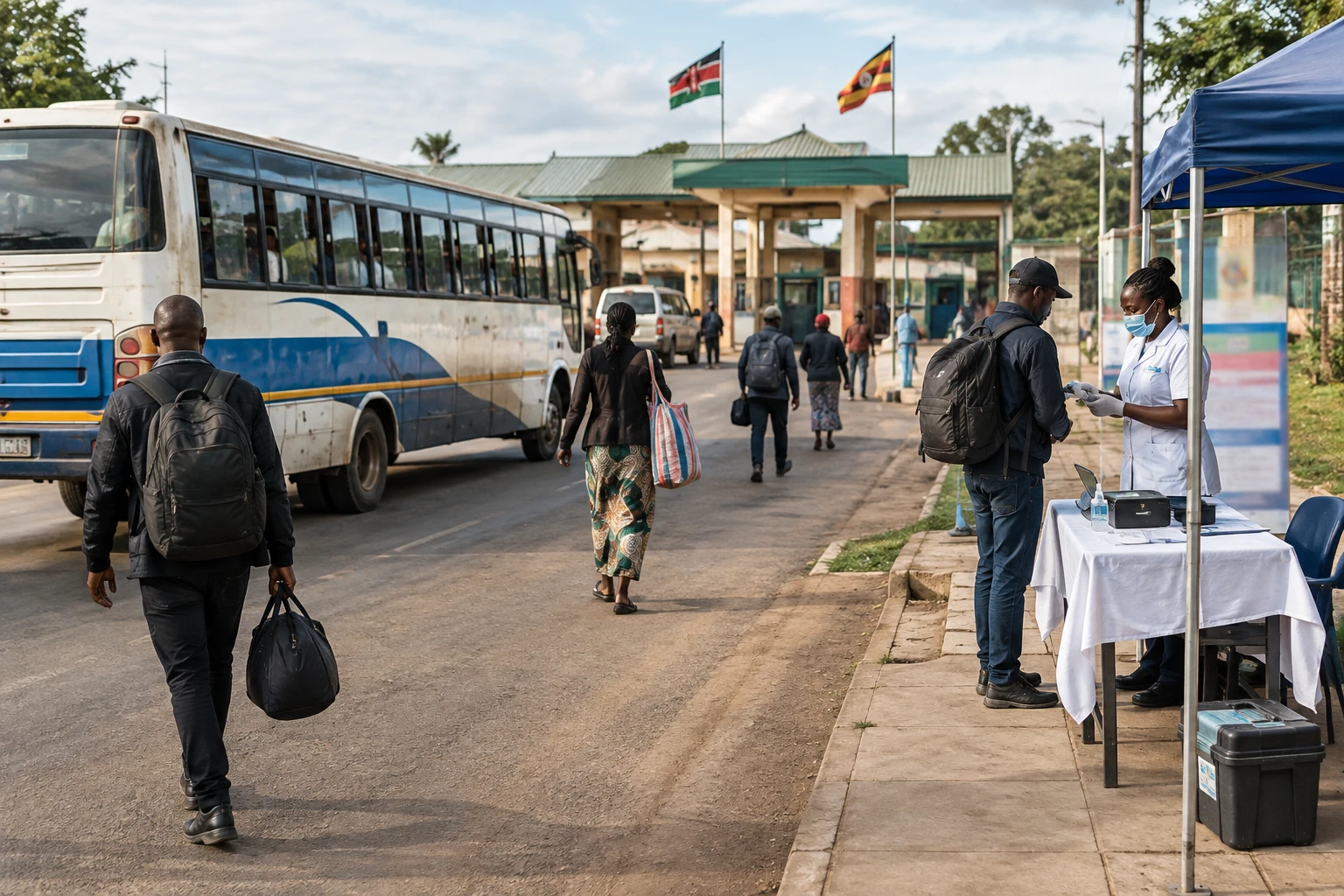
In Busia, daily exchanges with Uganda make health surveillance a tangible concern: traders, workers and families cross the border for their activities. After a man infected with Ebola died in Nairobi, the issue is therefore not just checks at border posts. It is also whether cases can be identified quickly in communities connected by these movements.
An imported case, followed by a death in Nairobi
Kenya’s Ministry of Health confirmed on 6 October 2026 the country’s first recorded Ebola case. The patient, a Kenyan citizen who lived in the Democratic Republic of the Congo (DRC), died on 5 October after being admitted to hospital in Nairobi. The World Health Organisation (WHO) also reported these dates and confirmed that the case was imported.
According to the Kenyan authorities, the man had received care at several facilities in the DRC. He then travelled by road to Kampala, before taking a flight to Nairobi on 3 October. His illness was detected after his arrival. The details of his journey highlight a coordination challenge: alerts and checks must be able to follow people across more than one country or point of entry.
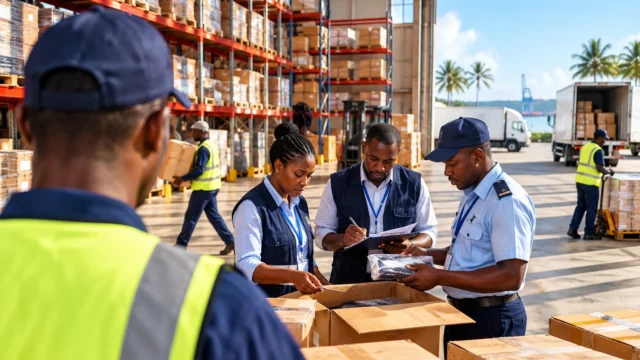
In Busia, the authorities have stepped up surveillance at the borders. The ministry says travellers are screened and samples can be analysed in mobile laboratories set up at the Busia and Lwakhakha posts. By 6 October, more than 652,000 travellers had been screened and 267 samples tested nationwide, according to the ministry. These figures describe surveillance activity, not the number of people infected.
The border is more than its checkpoints
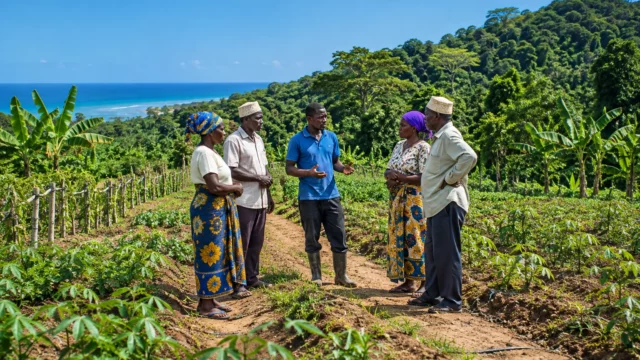
Busia is an important crossing point between Kenya and Uganda. But checks concentrated at airports and on major routes cannot, on their own, cover local movements. Residents quoted in the testimonies in the source material are also calling for a health presence in villages. Their concern is particularly about access to tests and healthcare for people who do not use the usual routes.
This demand highlights a practical trade-off. Stepping up border checks can help identify sick travellers, but effective surveillance also depends on accessible information, the capacity of local health centres and clear reporting mechanisms. In rural areas, distance from medical services can make rapid care more difficult. This is a matter of health-service coverage, not evidence that an outbreak exists in these communities.
Kenya’s Ministry of Health says it has begun tracing people who were in contact with the patient, including relatives and health professionals. On 7 October, it said no other cases had been confirmed and specified that there was then no established transmission in the country beyond the imported case. This update should be understood as a snapshot on that date, in a situation that may evolve.
A regional response to coordinate
The episode is part of a wider health emergency. The DRC is facing an outbreak of Bundibugyo virus disease, a strain of the Ebola virus. On 8 October, the WHO reported that the outbreak had spread to a new health zone in North Kivu. It also said that public health measures and contact tracing had been initiated in Kenya and Uganda after the case detected in Nairobi.
International data confirm the Kenyan death, but figures and their scope must be dated. The US Centers for Disease Control and Prevention (CDC) recorded one confirmed case and one death in Kenya as of 7 October. Its report also listed figures for the DRC and Uganda separately. This breakdown is a reminder that a regional total should not be attributed to Kenya.
Kenya is a member of the East African Community (EAC), a regional organisation that includes Kenya and Uganda. The mobility and trade linking their border towns make it useful to share alerts, data and laboratory capacity. Health co-operation is therefore not solely a matter for Nairobi: it also depends on local authorities, Ugandan health services and continental bodies, including Africa CDC, the African Union’s public health agency.
What the coming days will reveal
Kenya’s first confirmed case is a test of the country’s preparedness, but it is not enough to establish a local outbreak. The immediate question is how contacts are followed up and any potential new cases identified quickly. The longer-term challenge is to connect checks at major points of entry with services that can inform and direct residents in rural areas.
For the authorities, traders and travellers, the response will need to preserve essential exchanges while limiting health risks. Across East Africa, the episode is a reminder that an administrative border does not coincide with people’s actual routes. Co-ordination between Kenya, Uganda, the DRC and African institutions will be crucial to monitoring the outbreak’s evolution without confusing vigilance with widespread transmission.