
 Algeria
 Egypt
 Libya
 Morocco
 Sudan
 Tunisia
 Benin
 Burkina Faso
 Cabo Verde
 Côte d'Ivoire
 Ghana
 Guinea
 Guinea-Bissau
 Liberia
 Mali
 Mauritania
 Niger
 Senegal
 Sierra Leone
 The Gambia
 Togo
 Cameroon
 Central African Republic
 Chad
 DR Congo
 Equatorial Guinea
 Gabon
 Republic of the Congo
 São Tomé and Príncipe
 Burundi
 Comoros
 Djibouti
 Eritrea
 Ethiopia
 Kenya
 Madagascar
 Malawi
 Mauritius
 Mozambique
 Rwanda
 Seychelles
 Somalia
 South Sudan
 Tanzania
 Uganda
 Angola
 Botswana
 Eswatini
 Lesotho
 Namibia
 South Africa
 Zambia
 Zimbabwe
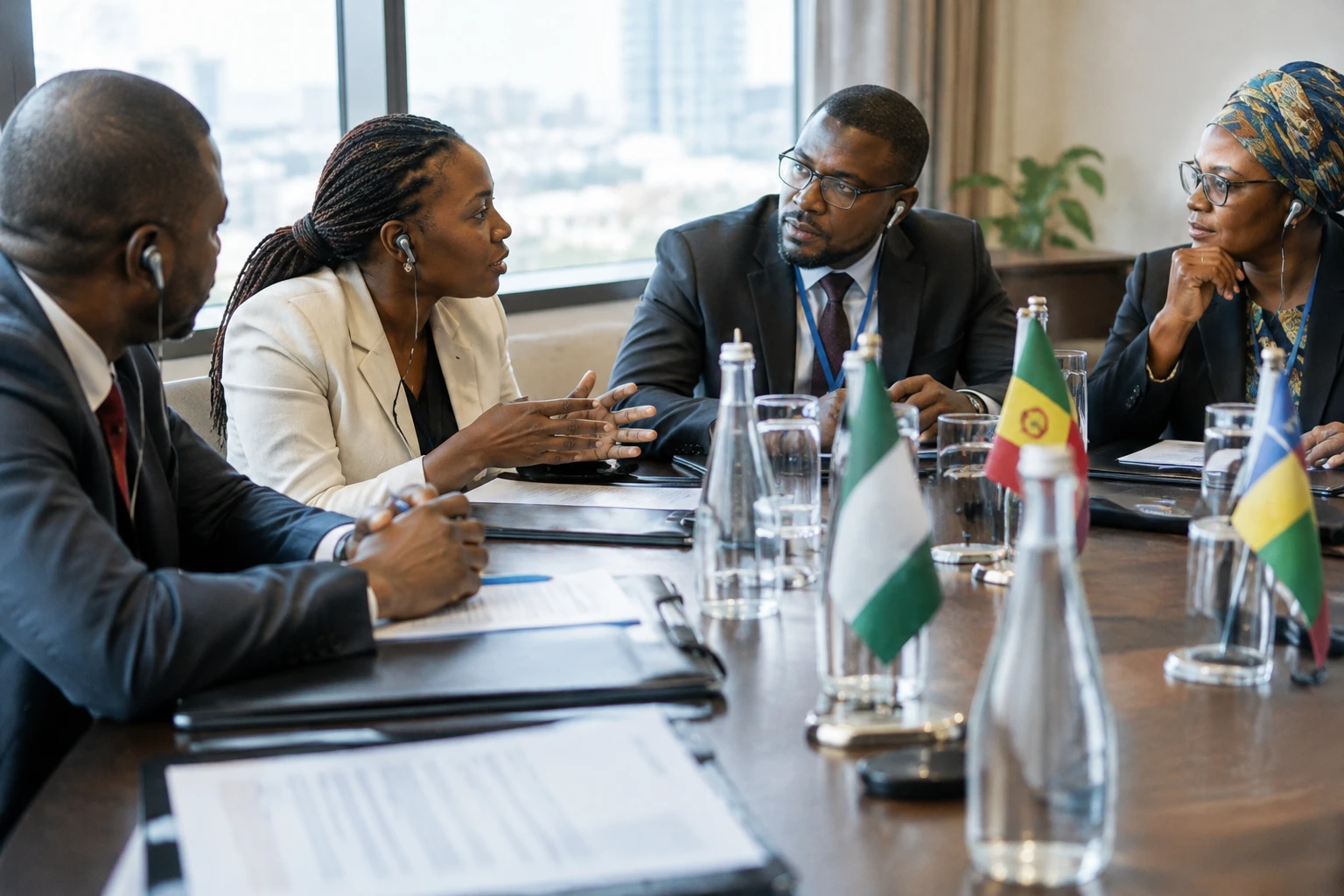
Can a giant refinery also become a company owned by ordinary savers? In Nigeria, that question surrounds the opening of Dangote’s facility to shareholders, as its owner seeks to widen access to the offer beyond major investors.
An offer open to investors in Nigeria and across the continent
Dangote Petroleum Refinery and Petrochemicals has extended the subscription period for its initial public offering by two weeks. Announced on 12 October, the decision moves the closing date from 13 to 27 October 2026. The offer, which opened on 14 September, covers 4.1 billion shares priced at 525 naira each, according to information published by the company and reported by Nigerian media outlet Channels Television.
The group says the additional time is intended to facilitate participation by investors in several African countries. It plans, in particular, to expand distribution channels and give applicants more time to open an account and complete the required identity checks. An initial public offering, or IPO, involves offering a company’s shares to the public so that investors can become co-owners.
Aliko Dangote described the extended timetable as a way to reach more subscribers, not to raise a larger sum. He said commitments received already exceeded the target amount by “three or four times”. This figure remains a statement by the business leader: no detailed independent tally of subscriptions was available in the material consulted.
The stated aim is to raise about $1.6 billion. At this stage, the amount sought should be distinguished from the sums actually received and the shares ultimately allotted. Subscriptions can exceed the offer without every applicant receiving the number of shares they requested.
A strategic asset in Nigeria’s economy
Located in Lagos, the refinery has a nameplate capacity of 700,000 barrels a day. Dangote plans to raise this to 1.4 million, an ambition that would make the site one of the world’s largest refining complexes. However, this expansion will depend on the announced investments being made and does not represent capacity that is already available.
The refinery has a particular place in Nigeria’s economy. The country is a major oil producer but has long imported a significant share of its refined fuels. Local production can reduce reliance on foreign purchases and international supply chains. It does not, on its own, guarantee lower prices at the pump: these also depend on the cost of crude, transport, the exchange rate, taxation and distribution mechanisms.
For households and small businesses, the issue is therefore measured as much by the price and availability of products as by the company’s financial performance. Oil-sector operators, distributors and transport companies are also affected. Any gains from a rise in share value, however, would first go to those who own the shares, depending on the company’s results and market movements.
The sale of shares offers a chance to participate, but it carries risks. A share’s value can rise or fall, and dividends are not guaranteed. Nigeria’s Securities and Exchange Commission, the SEC, recommends using only authorised intermediaries and platforms, checking information and reading the prospectus before investing. Its investor notice on the offer also warns against unverified solicitations and promises of guaranteed allotments.
Regional reach, but questions remain
The extended timetable also aims to attract subscribers from outside Nigeria. Dangote has referred to discussions with the Nairobi Securities Exchange to facilitate Kenyan participation, as well as arrangements intended for other African markets. The ability to subscribe from another country nevertheless depends on local procedures, market rules and the channels actually approved. The pan-African ambition therefore does not mean access is the same everywhere.
The offer comes as the group prepares another refining project in Lamu, Kenya, estimated at $16 billion. Planned to have a capacity of 700,000 barrels a day, the complex is presented as an investment serving East African markets. But the project is already facing land disputes and legal proceedings, reported by Kenyan and Nigerian media. The case is a reminder that major industrial projects must also address land ownership, community consultation and environmental impact.
In West Africa, the outcome of the Nigerian offer will be closely watched: it tests the ability of the continent’s financial markets to mobilise local savings around a major industrial asset. ECOWAS, the Economic Community of West African States, supports regional integration, but financial rules and access to securities remain largely organised market by market. Easier cross-border participation could bring African investors closer to companies operating across the continent.
The next concrete deadline is now 27 October 2026, the announced closing date for applications. The results of the offer, the number of shares allotted and how the funds raised will be used will then remain to be seen. These details will help determine whether the operation has genuinely broadened share ownership, beyond the announcement of strong interest.



