Algeria
 Egypt
 Libya
 Morocco
 Tunisia
 Benin
 Burkina Faso
 Cabo Verde
 Côte d'Ivoire
 Ghana
 Guinea
 Guinea-Bissau
 Liberia
 Mali
 Mauritania
 Niger
 Nigeria
 Senegal
 Sierra Leone
 The Gambia
 Togo
 Cameroon
 Central African Republic
 Chad
 DR Congo
 Equatorial Guinea
 Gabon
 Republic of the Congo
 São Tomé and Príncipe
 Burundi
 Comoros
 Djibouti
 Eritrea
 Ethiopia
 Kenya
 Madagascar
 Malawi
 Mauritius
 Mozambique
 Rwanda
 Seychelles
 Somalia
 South Sudan
 Tanzania
 Uganda
 Angola
 Botswana
 Eswatini
 Lesotho
 Namibia
 South Africa
 Zambia
 Zimbabwe
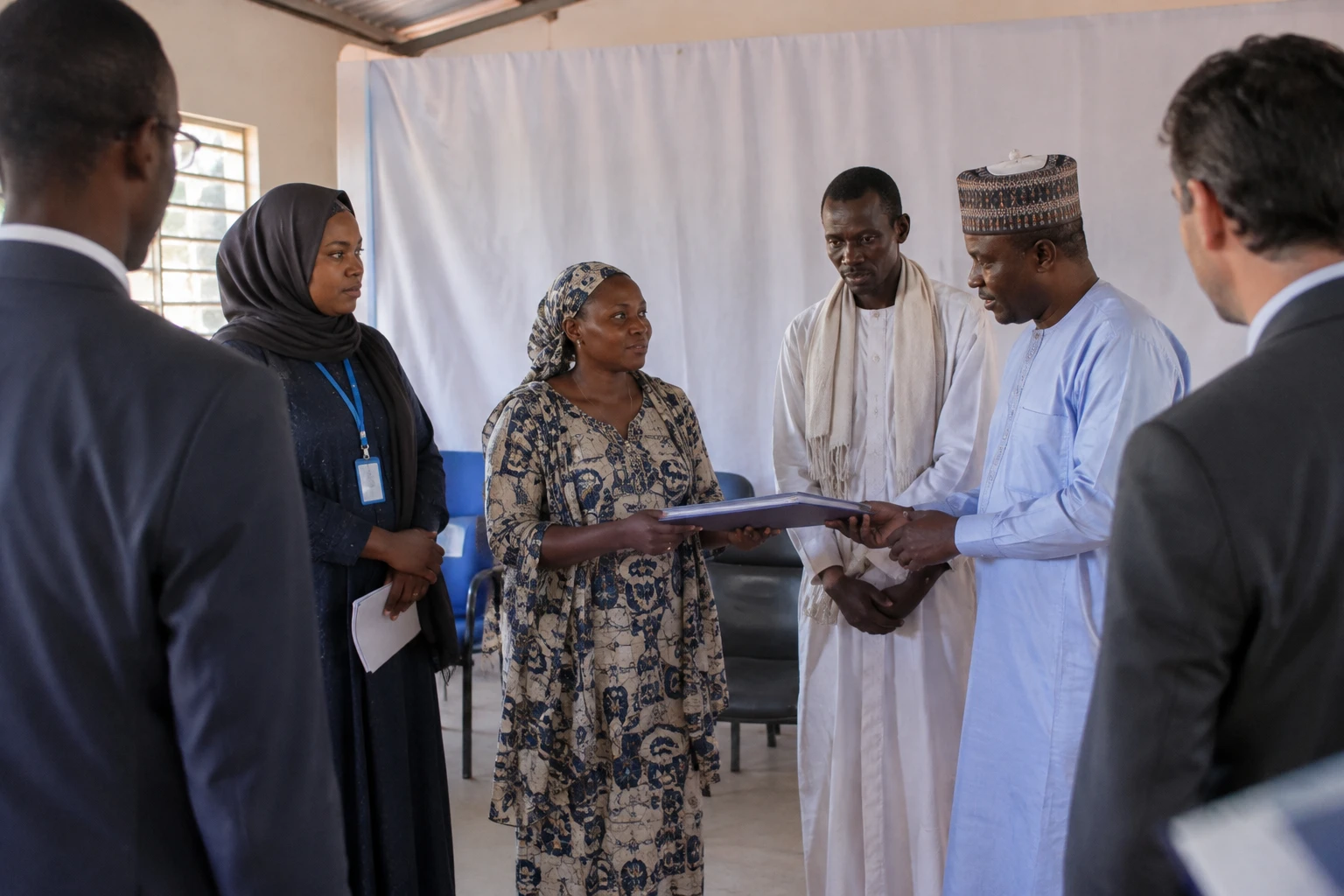
For Sudanese families crossing the border, Chad is not only a refuge: it is also a place where access to water, healthcare and shelter depends on resources already under strain. The rise in arrivals is testing both the protection of displaced people and the capacity of host communities to share essential services.
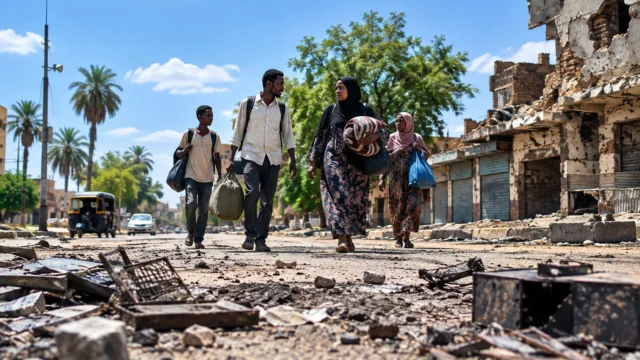
The war in Sudan, which began in April 2023 between the Sudanese army and the Rapid Support Forces (RSF), has caused displacement within the country and into several neighbouring states. Chad, which shares a border with Darfur, is hosting a significant proportion of those seeking to flee the fighting and insecurity. In the east of the country, provinces such as Ouaddaï and Wadi Fira are particularly affected.
Arrivals continue at the border
Figures published by UNHCR on 25 September show that more than 55,000 Sudanese refugees have arrived in Chad since the beginning of 2026. The organisation links these departures to continued fighting and deteriorating security in Darfur, the Kordofans and elsewhere in Sudan. The Chadian government also reported more than 53,000 arrivals since January during a meeting with a UNHCR regional official on 21 September. The two figures confirm the trend, although they differ slightly.
Movements remained visible in figures recorded in October. Chad’s emergency coordination platform counted 5,724 people arriving between 26 September and 4 October, across 1,353 households. This is a count for a specific period, not a total of all those who have fled Sudan. Figures may vary depending on the crossing points covered, registration delays and the methods used.
Estimates also vary across the wider crisis, depending on what is being counted. UNHCR’s 2026 regional plan projected that Chad could host nearly 1.48 million refugees, including people who were already there before April 2023 and new arrivals. It also envisaged support for more than one million people in host communities. These projections are used to plan the response; they are not a real-time count of the people actually present.
Local services under pressure beyond the emergency
An arrival does not end at the border crossing. People need to be registered, find accommodation and access water, food, healthcare and education. Some are relocated from border areas to prepared sites; others stay near families or villages that host them. The distance between these places and services can make it harder to access assistance.
Chadian residents are also under pressure. In the east of the country, refugees and local communities share resources and infrastructure that are already limited, including water, farmland and public services. The United Nations system stresses the importance of taking the needs of both groups into account. Without this, aid designed only for new arrivals risks leaving host families behind, while underfunded programmes may increase tensions over scarce resources.
The effects differ according to location and circumstances. Families living near entry points face immediate arrivals and protection needs. More distant communities must absorb longer-term settlement. For displaced people, refugee status alone does not guarantee stable housing or regular access to services. Needs also vary according to age, disability, health and household composition. The announced interview with Vincent Dalonneau, Handicap International’s Sudan programme manager, highlights the importance of examining barriers to mobility and access to assistance, without attributing comments to the guest that are not available.
A national and regional response to watch
Chad is organising the reception effort through its national institutions and humanitarian partners, including UNHCR and the International Organization for Migration. Monitoring movements helps identify arrivals and needs, but does not replace on-the-ground services. The response also depends on adequate and sustained funding: when resources do not keep pace with needs, aid may focus on the immediate emergency at the expense of education, livelihoods and longer-term settlement.
The conflict in Sudan extends beyond one country’s borders. Displacement affects several neighbouring states and involves regional coordination mechanisms. The Intergovernmental Authority on Development (IGAD), a regional organisation in the Horn of Africa, is among the frameworks concerned with peace and displacement in the region. For Chad, Sudan’s western neighbour, the priority is also to protect civilians and maintain humanitarian access in border areas.
Across the continent, the course of the war and population movements are testing cooperation mechanisms between African states and the hosting capacities of neighbouring countries. Figures in the coming weeks will show whether the pace of arrivals seen in late September and early October continues. The relocation of households, access to services in the eastern provinces and support for Chadian communities will also need to be monitored. These factors will show whether the response can move beyond the emergency and address the needs of displaced people and their hosts.
Background sources: UNHCR figures on new arrivals in Chad in 2026, monitoring by Chad’s emergency coordination platform, statement by the Chadian Prime Minister’s Office on hosting refugees and UN insights on host communities in eastern Chad.