Algeria
 Egypt
 Libya
 Morocco
 Sudan
 Tunisia
 Benin
 Burkina Faso
 Cabo Verde
 Côte d'Ivoire
 Ghana
 Guinea
 Guinea-Bissau
 Liberia
 Mali
 Mauritania
 Niger
 Nigeria
 Senegal
 Sierra Leone
 The Gambia
 Togo
 Cameroon
 Central African Republic
 Chad
 DR Congo
 Equatorial Guinea
 Gabon
 Republic of the Congo
 São Tomé and Príncipe
 Burundi
 Comoros
 Djibouti
 Eritrea
 Ethiopia
 Kenya
 Madagascar
 Malawi
 Mauritius
 Mozambique
 Rwanda
 Seychelles
 Somalia
 South Sudan
 Tanzania
 Uganda
 Angola
 Botswana
 Eswatini
 Lesotho
 Namibia
 South Africa
 Zimbabwe
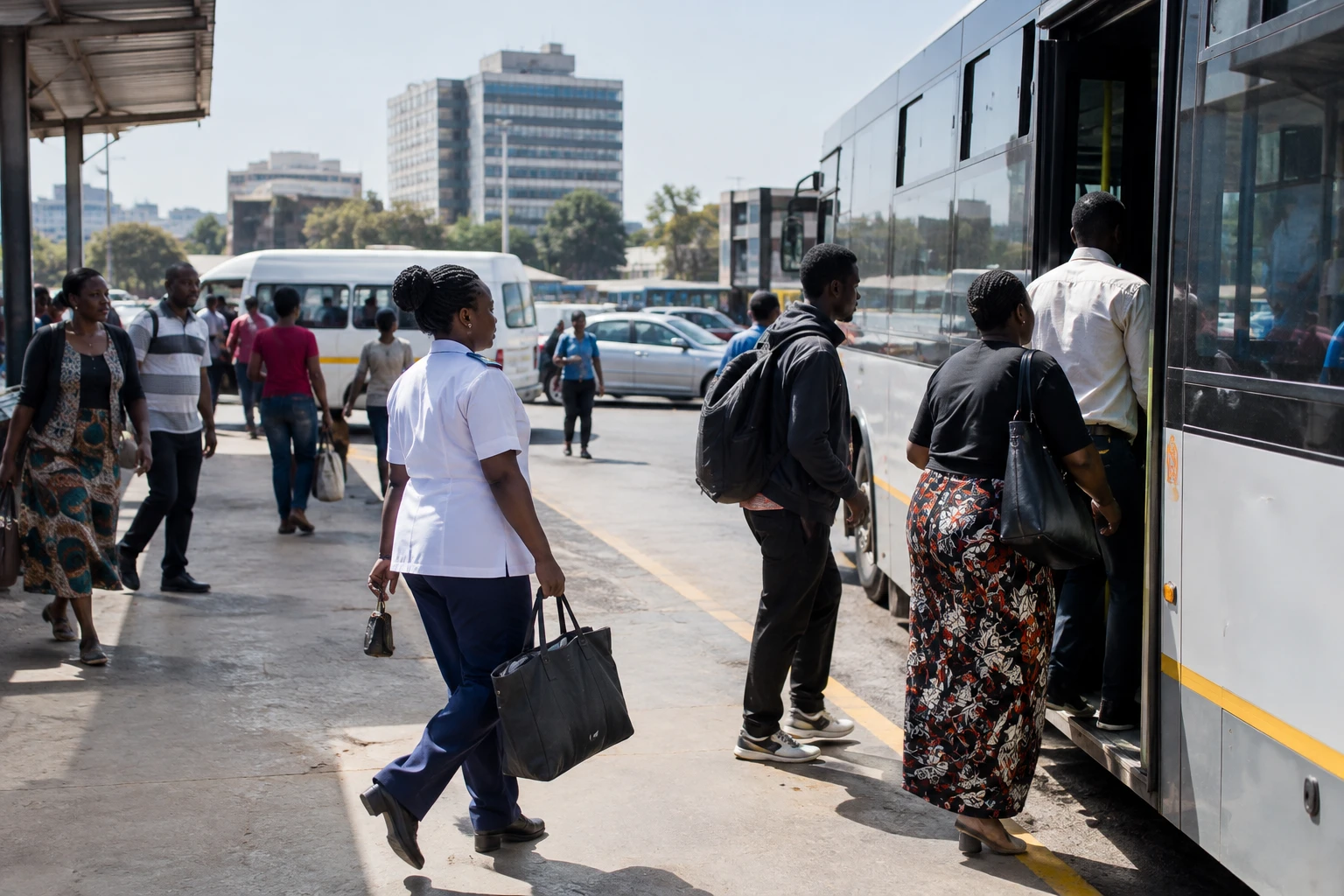
Health funding can strengthen care, but its conditions also touch on data sovereignty and a country’s budgetary choices. In Lusaka, Zambia and the United States finally signed a five-year agreement after removing controversial clauses on medical records and biological samples.
A compromise after months of negotiations
Signed on Thursday 8 October 2026, the agreement provides for a total commitment of $2.49bn over five years. The US Department of State puts its contribution at $1.52bn. Zambia’s announced share stands at $975m. That total is below the $3.6bn publicly cited by Zambian officials a few days earlier. Details of the funding reported after the signing.
Zambia’s Health Minister, Roma Chilengi, said the final text provided for neither the sharing of samples with Washington nor the transfer of individual patient data. He also said the health agreement contained no provisions on minerals. According to him, the issues that delayed talks concerned data protection and biological samples.
The minister said the partnership was intended to support the recruitment of 40,000 health professionals over the next five years. This figure is a government-announced target; the recruitment arrangements and allocation of posts have not been detailed in the information made public.
Issues that go beyond funding
These negotiations are taking place against a backdrop of a shift in US aid policy. The Trump administration presents these bilateral agreements as a way to help partner countries while encouraging them gradually to increase their own health spending. For Zambia, the US financial commitment may support essential services, but the announced increase in the national contribution will also weigh on Lusaka’s budgetary choices.
The debate over data is not theoretical. Several agreements Washington has concluded with African countries include provisions for sharing health data or samples relating to emerging diseases. Rights groups have highlighted the risks to privacy and questioned whether benefits would be shared equitably if treatments were developed using these resources. Human Rights Watch’s analysis of US health agreements.
According to the minister, the version signed in Zambia rules out the sharing of samples and personal data. It remains important, however, for the full text and its monitoring mechanisms to be made available to the public. The precise assessment rules, each party’s obligations and the consequences of a target not being met will determine the real scope of this compromise.
The mining issue, for its part, remains separate in Zambia’s official account. The country is a major copper producer and has minerals in demand for energy technologies. The government says natural resources are not covered by the health agreement; this does not rule out separate economic negotiations continuing.
Health services face the challenge of continuity
The new agreement follows the US decision, announced in 2025, to withdraw $50m in annual aid to Zambia’s health sector. Washington had cited what it described as systematic theft of medicines and supplies funded by donations. The accusation highlights a practical challenge: ensuring that products intended for health centres actually reach patients.
The week before the signing, the Zambian government dismissed all 150 employees of the Zambia Medicines and Medical Supplies Agency, which is responsible for national distribution. The decision puts supply-chain reform centre stage. It affects urban facilities as well as rural ones, which often depend on regular delivery routes for medicines and health products.
The promised funding will therefore have an impact only if the announced recruitment goes ahead and medicines are available in clinics. For residents, the decisive measure will be less the headline total than effective access to care, particularly in provinces far from the capital.
A signal for Southern Africa
Zambia is a member of the Southern African Development Community (SADC), a regional organisation bringing together Southern African states. Disease surveillance and the capacity to respond to epidemics extend beyond national borders. A better-resourced Zambian health system could therefore matter to its neighbours, provided laboratory capacity, staffing and regional coordination genuinely improve.
The Lusaka compromise forms part of a broader debate about how African countries fund their health systems, protect medical information and negotiate access to biological resources. Zimbabwe, Ghana and Namibia have, according to available information, rejected US proposals. Other governments have concluded agreements, with varying conditions. Zambia’s signature shows that negotiations can change disputed clauses; it does not, however, resolve questions of transparency, sustainable funding and public oversight.
The next steps will be the publication of the detailed provisions and the monitoring of commitments through to 2031. For Lusaka, the challenge will be to turn the promised funds into continuous services while retaining control over health data. For the region, the case is a reminder that effective health co-operation depends as much on trust and reciprocity as on the amounts announced.