Algeria
 Egypt
 Libya
 Morocco
 Sudan
 Tunisia
 Benin
 Burkina Faso
 Cabo Verde
 Côte d'Ivoire
 Ghana
 Guinea
 Guinea-Bissau
 Liberia
 Mali
 Mauritania
 Niger
 Nigeria
 Senegal
 Sierra Leone
 The Gambia
 Togo
 Cameroon
 Central African Republic
 Chad
 DR Congo
 Equatorial Guinea
 Gabon
 Republic of the Congo
 São Tomé and Príncipe
 Burundi
 Comoros
 Djibouti
 Eritrea
 Ethiopia
 Kenya
 Madagascar
 Malawi
 Mauritius
 Mozambique
 Rwanda
 Seychelles
 Somalia
 South Sudan
 Tanzania
 Uganda
 Angola
 Botswana
 Eswatini
 Lesotho
 Namibia
 South Africa
 Zambia
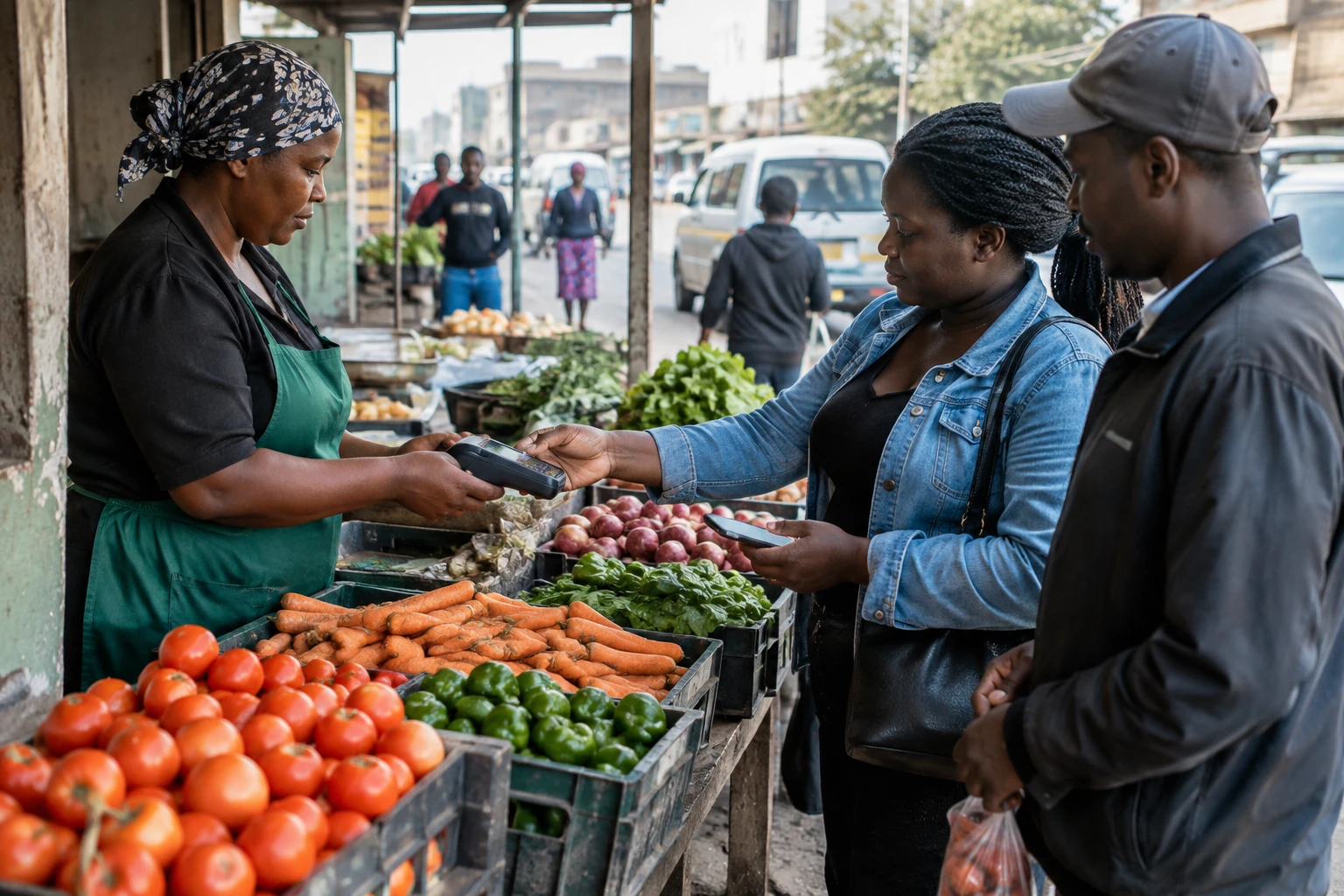
In Harare and the region’s business centres, the availability of foreign currency affects payments, imports and confidence in the currency. Zimbabwe is now receiving more foreign currency from abroad. The question is whether this momentum, driven largely by exports, can last when global prices or harvests change.
Sharp rise in foreign-currency earnings
The Reserve Bank of Zimbabwe (RBZ), the country’s central bank, estimates foreign-currency inflows at $15.9bn between January and September 2026. That is 33.7% more than the $11.9bn recorded over the same period in 2025. In its quarterly review published on 6 October, it reported a cumulative surplus of $4.3bn between foreign-currency receipts and payment requirements.
Exports are the main source of these receipts, accounting for an average of 69% of inflows. Diaspora remittances make up 15%, and borrowings about 9%. The central bank attributes the increase to higher sales of tobacco and lithium sulphates, as well as favourable prices for gold and platinum-group metals.
Foreign exchange reserves reached nearly $2bn in September, up from $1.4bn in June, according to RBZ data. This is equivalent to about two months of import cover. It gives the central bank room to manoeuvre in making external payments and managing the foreign exchange market, but does not in itself guarantee lasting stability.
Minerals underpin trade surplus
Foreign trade figures provide an independent measure of this improvement. In August, Zimbabwe recorded a trade surplus of $526.5m, up from $320m in July. Data from the national statistics agency, ZimStat, reported by the Zimbabwean press, show that exports reached $1.679bn, while imports stood at $1.152bn.
Semi-processed gold accounted for 44% of export value in August. Other mineral substances and concentrated ores were also among the main products sold. The United Arab Emirates, China and South Africa were among the leading destinations. This concentration of sales in a handful of markets and products leaves earnings exposed to changes in prices, demand or production.
The rise in reserves and the trade surplus are related, but they do not measure the same thing. Reserves are a stock of foreign currency held by the central bank; the trade surplus compares exports and imports of goods over a given period. Family remittances and borrowings, meanwhile, contribute to foreign-currency inflows without appearing as exports of goods.
ZiG gains support, not a guarantee
The national currency, the ZiG, remained relatively stable against the dollar in the third quarter, averaging around 26.70 ZiG to the dollar, according to the RBZ. It closed the period at 26.80. Launched in April 2024, the ZiG forms part of the authorities’ efforts to stabilise the monetary system after years of high inflation and a loss of confidence in local currencies.
Higher reserves can strengthen the central bank’s ability to meet foreign-currency needs and limit pressure on the exchange rate. But export earnings do not automatically translate into an even improvement for households and businesses. Large exporters and mining sectors are directly exposed to foreign-currency inflows; small businesses and rural producers also depend on the cost of imported inputs, access to payments and the effective circulation of earnings through the economy.
The composition of exports also calls for caution. When a large share of earnings depends on minerals and a few agricultural products, a fall in global prices or in volumes can quickly reduce inflows. The rise in reserves is therefore a useful buffer, but it cannot replace a diversified productive base or regular earnings.
An issue monitored across southern Africa
For Zimbabweans, the practical question is whether the improvement in the external accounts will durably support price and payment stability and the ZiG. Two months of import cover offer an indication of resilience to external shocks; on their own, they do not show how foreign currency is distributed or whether different economic actors can access it.
The issue extends beyond national borders. Zimbabwe belongs to the Southern African Development Community (SADC), which monitors, among other things, macroeconomic stability and regional trade. August’s figures show that trade with SADC partners remains significant, both for exports and imports. The ZiG’s strength can therefore matter to businesses trading in the region, even though the US dollar remains central to the published figures.
The next step will be to see whether foreign-currency inflows remain high in the fourth quarter and whether the RBZ can maintain its reserves as import requirements change. The September review marks a measurable improvement in Zimbabwe’s external position. Its significance will now depend on the continuity and diversification of earnings, and on their circulation through the economy.