Algeria
 Egypt
 Libya
 Morocco
 Sudan
 Tunisia
 Benin
 Burkina Faso
 Cabo Verde
 Côte d'Ivoire
 Ghana
 Guinea
 Guinea-Bissau
 Liberia
 Mali
 Mauritania
 Niger
 Senegal
 Sierra Leone
 The Gambia
 Togo
 Cameroon
 Central African Republic
 Chad
 DR Congo
 Equatorial Guinea
 Gabon
 Republic of the Congo
 São Tomé and Príncipe
 Burundi
 Comoros
 Djibouti
 Eritrea
 Ethiopia
 Kenya
 Madagascar
 Malawi
 Mauritius
 Mozambique
 Rwanda
 Seychelles
 Somalia
 South Sudan
 Tanzania
 Uganda
 Angola
 Botswana
 Eswatini
 Lesotho
 Namibia
 South Africa
 Zambia
 Zimbabwe
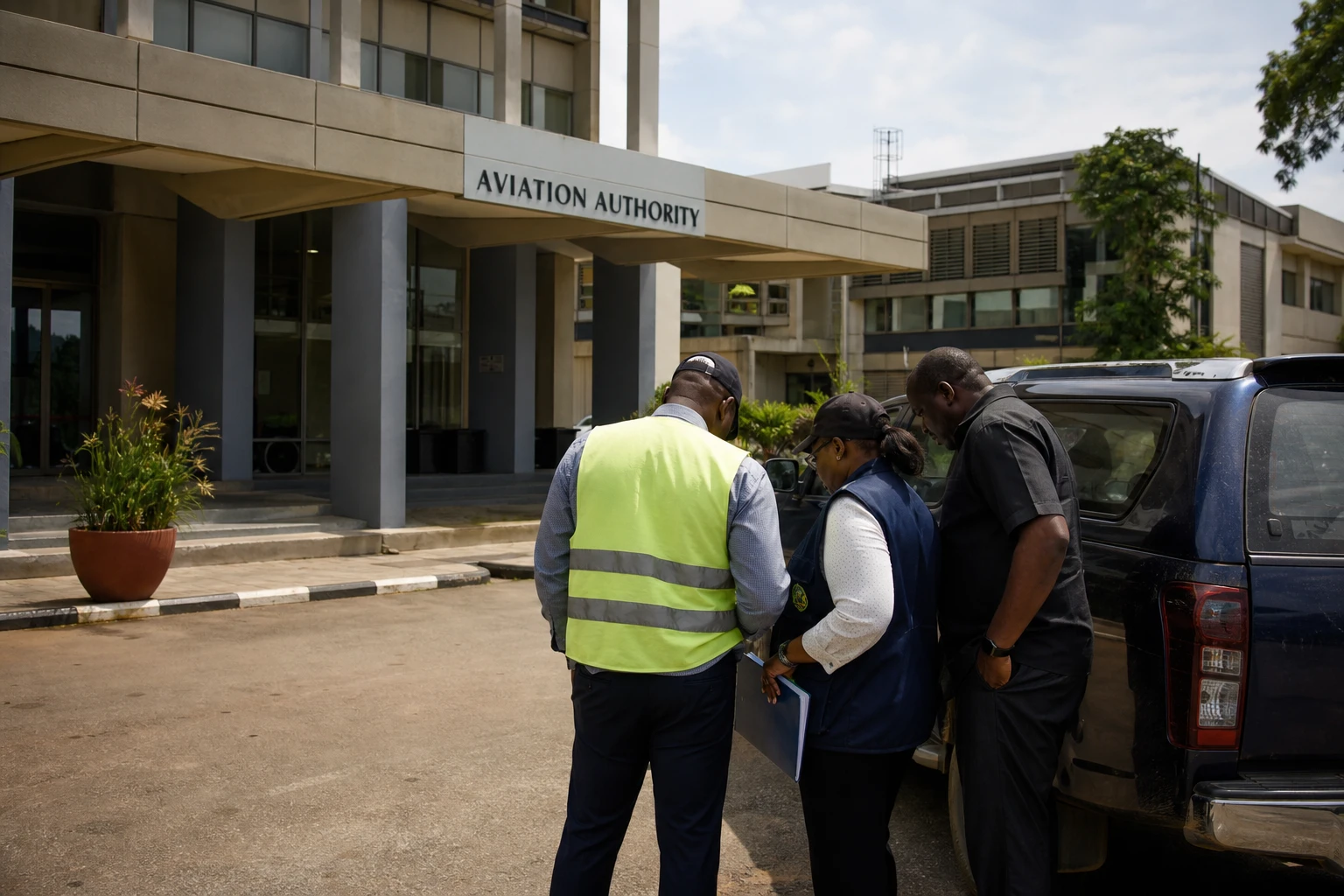
In southern Nigeria, a routine air mission turned into a national tragedy. The accident, which occurred on Monday 5 October 2026 near Igbokoda, in Ondo State, has plunged the armed forces into mourning and revived questions about military aviation safety.
Aircraft found in a marshy area
A Nigerian Air Force ATR-42 disappeared from radar while travelling from Benin City, in Edo State, to Lagos. The aircraft bore the tail number NGR 931. Nigeria’s Aviation Minister, Festus Keyamo, said contact was lost at about 9.13am local time.
The crash occurred near a naval base in the Igbokoda area, within the Ilaje local government area. This part of Ondo State is made up of waterways, marshes and areas that are difficult to access. Rescue teams therefore had to operate in challenging conditions, with part of the wreckage submerged.
Residents reported seeing smoke, clothes and shoes around the site. Their accounts accompanied the initial search operations, conducted by the air force with support from Ondo State authorities and emergency services.
Nigerian authorities initially said there were 25 passengers and seven crew members on board, making 32 people in total. However, on 6 October, a statement attributed to the air force referred to 20 passengers and five crew members. This discrepancy has not yet been publicly explained. The final death toll and the identities of the victims will therefore have to wait until official information has been consolidated.
The Nigerian presidency has nonetheless confirmed the deaths of the personnel concerned and offered condolences to their families. Their names are to be made public after their next of kin have been informed, a standard procedure in accidents involving the defence forces.
Three days of national mourning
From Abuja, President Bola Tinubu declared three days of national mourning. Flags are to be flown at half-mast across the country in tribute to the military personnel who died.
“This is a painful moment for our armed forces and for the entire nation,” the president said. He also noted that Nigerian airmen take part every day in security operations against armed groups and criminal networks.
Bola Tinubu ordered an immediate, thorough investigation into the causes of the accident. It is intended to establish the precise sequence of events: weather conditions, the aircraft’s technical condition, communications with air traffic control, maintenance and the conduct of the mission.
The Nigerian Safety Investigation Bureau, the body responsible for transport safety investigations, says that this type of procedure is primarily intended to establish the facts and prevent further accidents. In this case, the precise involvement of the various institutions will need to be clarified, as the aircraft belonged to the air force and was on a military mission.
The investigation will also have to take the crash site into account. A submerged wreck can make it more difficult to recover flight recorders, examine the engines and identify the points of impact. Evidence gathered at the site will need to be carefully preserved to avoid premature conclusions.
A blow to an army fighting on several fronts
The Nigerian Air Force plays a central role in the country’s security response. It carries out surveillance, transport, supply and troop-support missions in Nigeria’s north-east, north-west and central regions.
This operational burden weighs on crews and aircraft. Nigerian forces have to cover a vast territory marked by the continuing insurgency in the north-east, attacks by armed groups in the north-west and criminal violence in several rural areas. Military air links are therefore essential to connect bases and theatres of operations quickly.
The crash also follows several fatal accidents involving military aircraft. In May 2021, the Chief of Army Staff, Lieutenant General Ibrahim Attahiru, died with several officers in an air crash in Kaduna. In February of the same year, another military aircraft crashed near Abuja, the federal capital, killing several people.
These precedents give particular weight to the investigation launched in Ondo. Beyond the national grief, families will be waiting for answers about aircraft maintenance, crew training and pre-departure checks. Personnel involved in air missions, meanwhile, will be watching closely for any safety recommendations.
An issue that extends beyond Nigeria’s borders
Nigeria is West Africa’s most populous and largest economy. Its air capabilities also contribute to regional security, particularly within the Economic Community of West African States, ECOWAS, which coordinates the policies of several neighbouring countries.
Nigerian forces are regularly called upon to take part in regional initiatives to combat terrorism and cross-border crime. The availability of their transport and surveillance aircraft therefore has implications beyond the national context. Any major accident can affect operations, rotation schedules and personnel confidence.
The immediate priority remains recovering the wreckage, identifying the victims and establishing an undisputed death toll. The preliminary findings of the investigation and the measures announced by the air force will then need to be monitored.
The Nigerian government will also have to explain the discrepancy between the first figures released, which said there were 32 people on board, and later information referring to 25 occupants. This clarification is essential for families, public opinion and the credibility of the investigation.